 Skip to content
Shin pain needs load management, manual care and strengthening in combination, and all three sit at 6605 Highway 7. That keeps a running assessment, treatment and orthotic casting inside one appointment rather than spread across separate clinics.
Chiropractor in West Hill for Shin and Lower Leg Pain
We provide chiropractic care in West Hill for shin pain, calf tightness and lower leg discomfort in new and returning runners, starting with the training load that produced the problem rather than with the footwear.
Direct billing accepted with most major insurance providers




Google Reviews
5.0
"I've been seeing Dr. Karavanas for 4 years. He is the best Chiropractor in Markham."
Alex Z."I can't recommend Dr. Fiona Chan enough. She spends the entire appointment with you and always diagnoses the real cause of the issue."
Alain K."Dr. Fiona Chan is knowledgeable and patient with my kids, and has been a great support for their health and gymnastics performance."
William Y.
0 +
Years of Combined Experience
Who We Are
Colonel Danforth Park, West Hill Shopping Centre and the Route North
Colonel Danforth Park and the West Hill Shopping Centre sit about 25 minutes south of the clinic, reached by driving north along Markham Road.
Bone and muscle adapt to running load more slowly than fitness improves, so the first six weeks of a new program is where trouble appears. Assessment starts with the training log: weekly distance, how quickly it climbed, surface and footwear age. Calf strength, ankle movement and running form are then examined. Treatment reduces the load to a tolerable level rather than stopping entirely, then rebuilds capacity through calf and hip strengthening before distance climbs again.
- Multidisciplinary Team
Chiropractors, physiotherapists, and registered massage therapists collaborating under one roof, so your care is coordinated, not fragmented.
- Movement Based Approach
We assess how your body actually moves, then build a treatment plan that restores function from the foundation up. Kinetic. Core. Foundation.
“Shin pain is usually a dose problem. We work out the dose first.”
Runners arrive expecting to be told to stop. Stopping fixes the pain and leaves the tissue no better able to handle running, which is why the problem returns at the same weekly distance. Cutting distance to a level the shin tolerates, then rebuilding it deliberately, is what breaks that cycle for good.
What We Offer
Chiropractic Treatments for Lower Leg Loading Pain
Chiropractic Care
Chiropractic care treats the ankle, foot and knee restrictions that change how the shin absorbs impact, along with the hip and low back above them. Gait is screened at the first visit.
Physiotherapy

Physiotherapy supplies the calf, foot and hip strengthening that lets bone and muscle tolerate running load, with progression tied to weekly distance rather than to dates on a calendar.
Registered Massage Therapy

Massage therapy releases the calf, tibialis and foot tissue that tightens around a painful shin. Sessions focus on the lower leg rather than a full body treatment on every visit here.
Acupuncture
Acupuncture can help ease persistent shin and calf discomfort where load management alone has not settled it, using points along the leg. Needling stays superficial, brief and comfortable.
Class IV K-Laser Therapy

Class IV laser therapy helps calm irritated tissue along the inner shin border, which suits runners keen to keep training while symptoms settle. Each session runs only a few minutes.
Custom Orthotics
Custom orthotics change how force travels up the leg from the ground, which matters especially where the arch collapses under running load. Casting is done here on site during the same day.
Exercise Rehabilitation

Exercise rehabilitation rebuilds calf and hip capacity with measured loads before weekly distance rises again, supervised throughout by a Registered Kinesiologist working here on site.
Pelvic Floor Therapy

Pelvic floor therapy sits outside lower leg care, although runners raising bladder leakage while running are assessed privately, and it proves far more common than most people expect.
Pediatric & Pregnancy Chiropractic

Pediatric and pregnancy chiropractic covers shin and heel pain in young runners, where growth plate irritation rather than bone stress is usually the source and load advice differs.
How It Works
Your Path from Pain to Lasting Movement
Every patient at KC Rehab follows the same proven four-step process, designed to uncover the root cause of your pain or restriction and build a recovery plan that actually lasts.
Step 1
Consultation and Assessment
Your first visit begins with a detailed conversation about your history, lifestyle, and goals. We then perform a hands on movement assessment to identify the underlying mechanics behind your symptoms.
Step 2
Personalized Treatment Plan
Based on your assessment findings, we build a treatment plan tailored to your specific needs, goals, and timeline. This may combine chiropractic, physiotherapy, RMT, acupuncture, and exercise rehabilitation.
Step 3
Active Treatment & Therapy
Your plan comes to life through manual therapy, targeted exercise, and the modalities best suited to your condition. Every session is monitored and adjusted based on your progress.
Step 4
Ongoing Care & Prevention
Once you have recovered, we equip you with the exercises, ergonomic advice, and maintenance schedule you need to stay pain-free and continue moving well for years to come.
Why CHoose Us
Why West Hill Runners Come Here
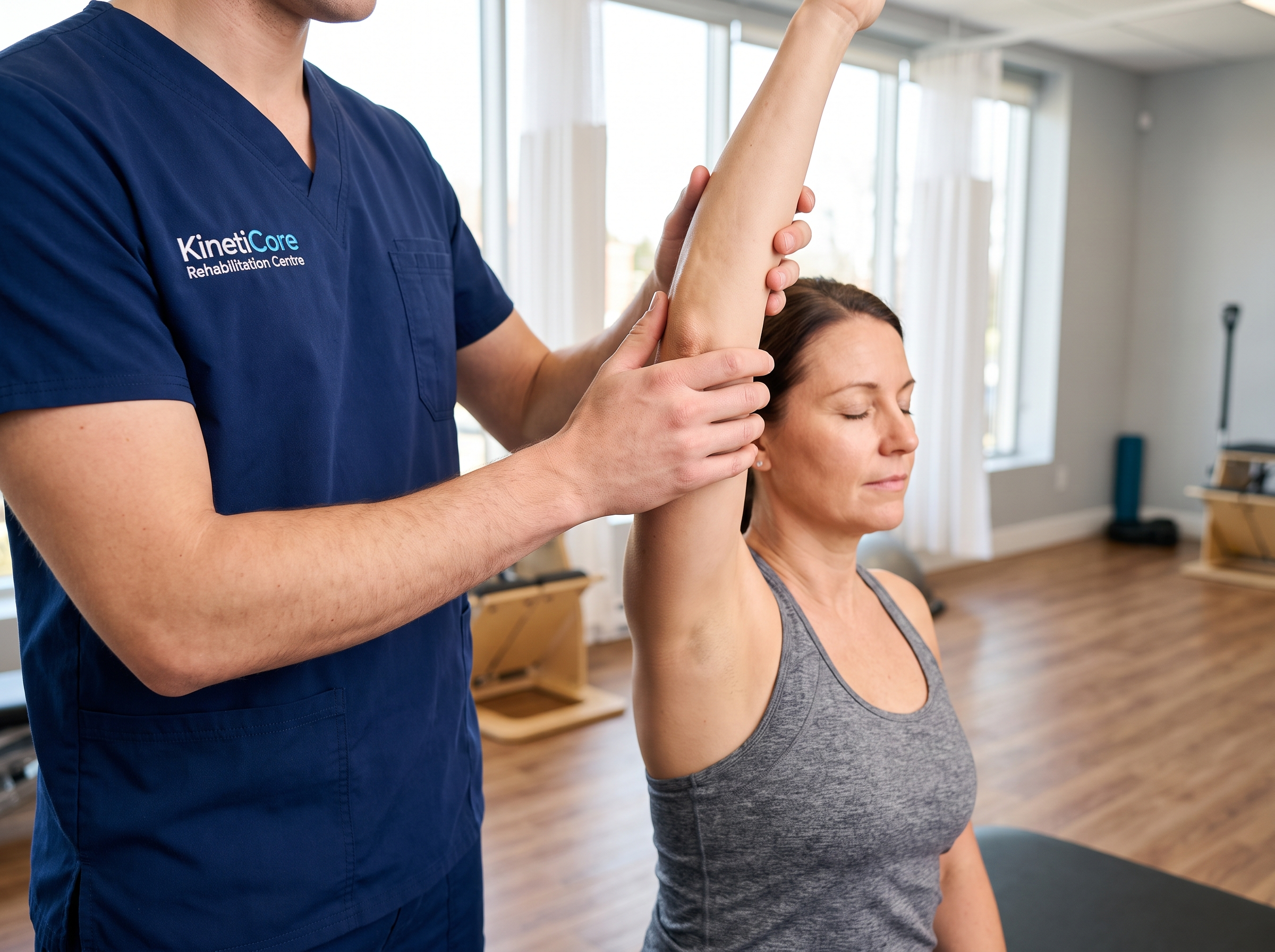
Assessment starts with your training log rather than your feet, because the load usually explains the pain. Chiropractors here are registered with the College of Chiropractors of Ontario, and chiropractic care runs alongside casting and strength work.
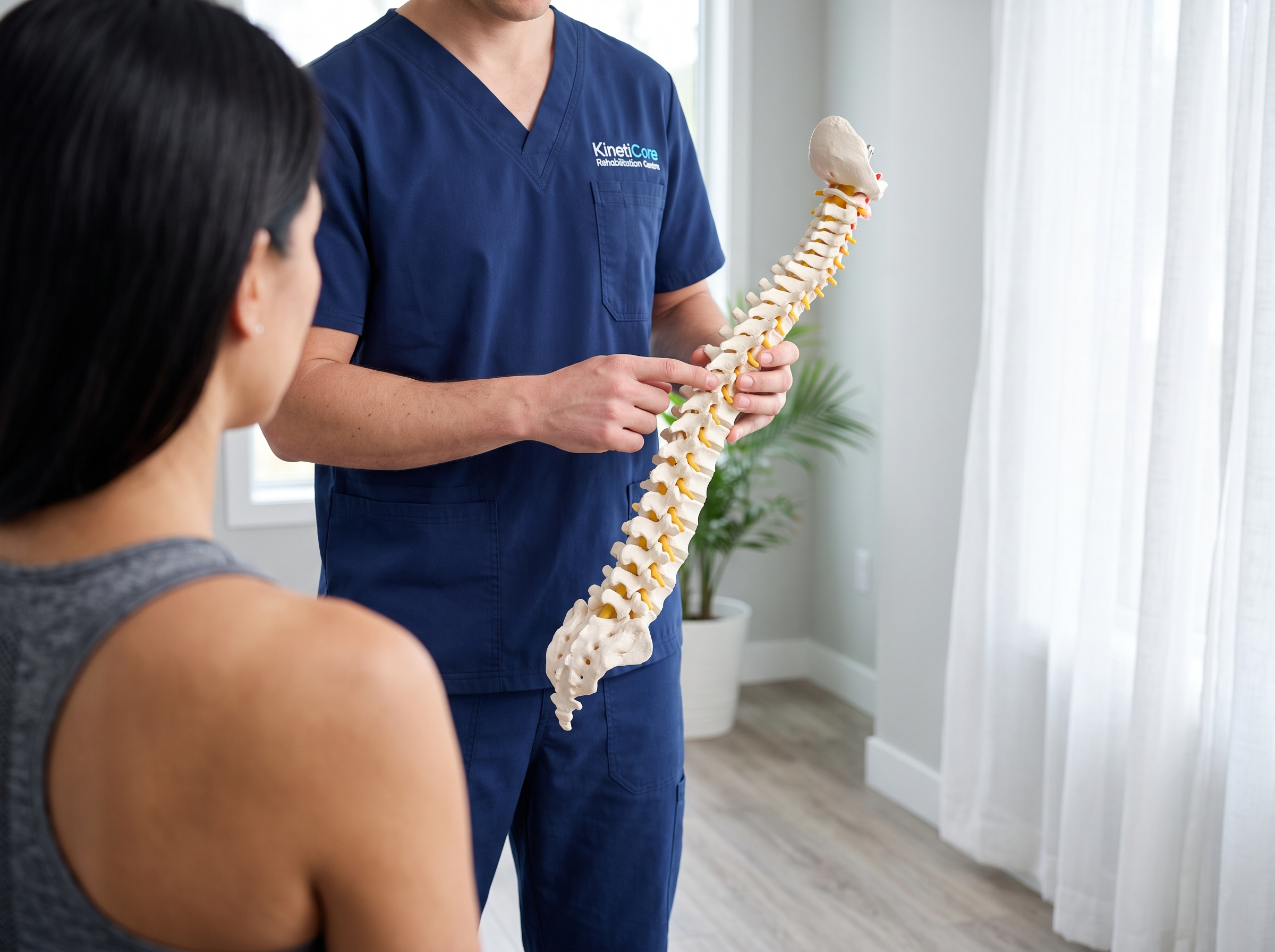
Running load assessment
Weekly distance, rate of increase, surface and footwear age are all reviewed, because a training error explains most shin pain in new runners.
Gait and footwear screening
Running form and shoe wear are examined together, since cadence, stride length and worn midsoles all change how much force the shin absorbs each step.
Referral if a fracture is suspected
Night pain, a focal tender point on bone or pain on hopping prompt imaging and medical referral rather than a loading program being started here.
Free on site parking
Parking sits outside the entrance at 6605 Highway 7, which is straightforward at the end of a twenty five minute drive north up Markham Road.
RESTORE. REBUILD. RECOVER.
Whether it has been a week or a decade, you do not have to keep adjusting your life around pain. Book your initial assessment at KC Rehab today and find out what real, movement based recovery actually feels like.
Our Customer Testimonials
Frequent Asked Questions
What are shin splints and why do they develop?
Shin splints describe pain along the inner shin caused by load rising faster than bone and muscle can adapt. Weekly distance increases of more than ten percent are a common trigger. Hard surfaces and worn shoes both add to it. New runners see it most often within the first six weeks.
Does treatment ease pain along the inner shin?
Manual care, load management and calf strengthening together reduce shin pain in most runners within three to six weeks. Load reduction does the heaviest lifting early on. Strength work prevents the recurrence. Adding physiotherapy gives the measured progression the tissue needs.
Does running surface change shin pain risk?
Softer surfaces reduce peak impact, though sudden changes in surface matter more than the surface itself. Trail running loads the ankle more variably. Concrete is the least forgiving option. KinetiCore Rehabilitation Centre reviews where and how you run as part of the load assessment.
How is a stress fracture ruled out first?
Focal bone tenderness, night pain and pain on hopping all point to bone stress rather than shin splints. Imaging is arranged where any of those signs appear. Loading programs wait until bone stress has been excluded. To ask whether your symptoms warrant imaging, please contact us.
Where can a new runner train on softer ground?
Park trails and grass reduce peak impact compared with pavement, which suits a shin that flares on concrete. Colonel Danforth Park offers varied terrain close by, too. Alternate between surfaces rather than switching across entirely. Runners from Highland Creek use the same routes.
How soon can running resume after shin pain?
Do calf and hip strength affect shin loading?
Weak calves and poor hip control both increase the force the shin absorbs with every stride. Calf raises and single leg work form the core of most programs here. Strength gains usually show across six to eight weeks of steady work. Runners from Rouge are tested on the same measures.
Which shoes suit a runner with recurring shin pain?
Shoes with intact midsole cushioning replaced every six hundred kilometres suit most runners with recurring shin pain. Stability features help where the arch collapses under load. Rotating two pairs varies the loading. Shoe choice is reviewed against your gait screening at the visit.