 Skip to content
Knee reconstruction recovery needs manual work, measured strength progression and testing, and all three run from this building. Athletes travelling east along Highway 7 can combine treatment and supervised loading inside a single appointment slot.
Physiotherapist in Langstaff for ACL Reconstruction Recovery
We provide physiotherapy in Langstaff for knee reconstruction recovery, taking athletes from the first fortnight after surgery through to clearance for contact sport. Testing decides each progression.
Direct billing accepted with most major insurance providers




Google Reviews
5.0
"I've been seeing Dr. Karavanas for 4 years. He is the best Chiropractor in Markham."
Alex Z."I can't recommend Dr. Fiona Chan enough. She spends the entire appointment with you and always diagnoses the real cause of the issue."
Alain K."Dr. Fiona Chan is knowledgeable and patient with my kids, and has been a great support for their health and gymnastics performance."
William Y.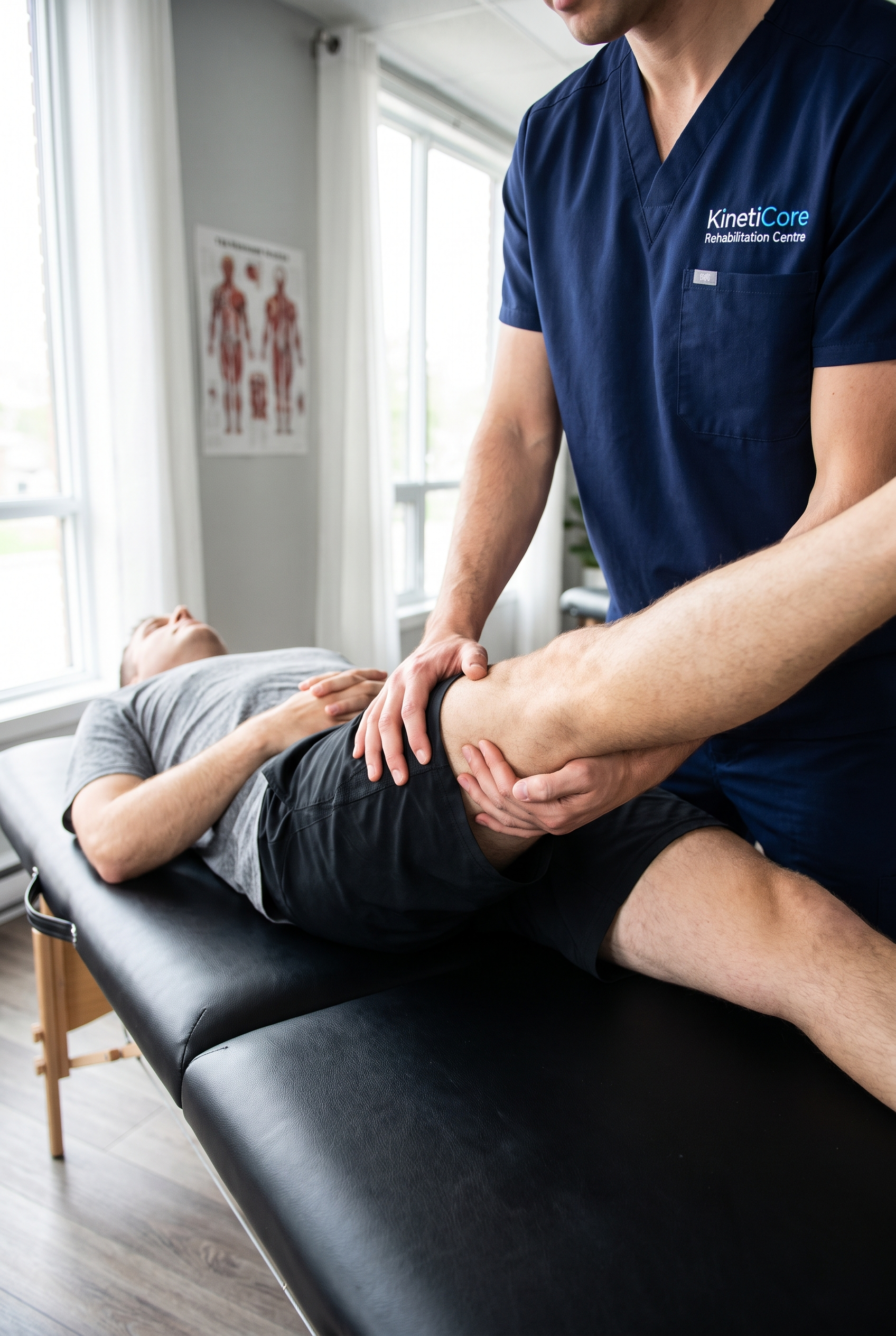
0 +
Years of Combined Experience
Who We Are
Langstaff GO Station, Red Maple Road and the Route West on Highway 7
Langstaff GO Station on Red Maple Road sits about twenty minutes west of the clinic at 6605 Highway 7, reached by driving east along Highway 7.
Recovery after an ACL reconstruction runs in phases, and each phase has an entry test rather than a date. The first weeks target swelling, full extension and quadriceps activation, because a knee that will not straighten early rarely straightens later on. Running returns once strength reaches roughly eighty percent and single leg control holds. Cutting, pivoting and contact wait for hop testing, landing mechanics and a strength gap under ten percent, usually between nine and twelve months.
- Multidisciplinary Team
Chiropractors, physiotherapists, and registered massage therapists collaborating under one roof, so your care is coordinated, not fragmented.
- Movement Based Approach
We assess how your body actually moves, then build a treatment plan that restores function from the foundation up. Kinetic. Core. Foundation.
“Time since surgery decides nothing. Test results decide everything.”
The single strongest predictor of a second ACL injury is returning to sport before the strength and control tests are passed. Nine months is an average, not a permission slip. Testing each phase removes the guesswork and gives the athlete, the parents and the coach the same set of numbers to work from.
What We Offer
Physiotherapy Treatments Through Each Phase of Knee Recovery
Chiropractic Care
Physiotherapy runs the phased program after reconstruction, from early extension and swelling control through strength targets to hop and landing tests before any clearance is given.
Physiotherapy
Chiropractic care addresses the hip, ankle and low back compensation that a stiff post-surgical knee produces, keeping the rest of the chain moving properly through the early months.
Registered Massage Therapy
Massage therapy eases quadriceps and hamstring guarding around a recently operated knee, and it helps the early range work feel achievable rather than daunting for a nervous athlete.
Acupuncture
Acupuncture can help ease persistent post-surgical knee pain that limits loading tolerance, using points around the knee and along the leg. Sessions run about half an hour in a quiet room.
Class IV K-Laser Therapy
Class IV laser therapy helps reduce swelling around the knee in the early weeks, when swelling itself is what shuts the quadriceps down. Sessions take only minutes and need no rest afterwards.
Custom Orthotics
Custom orthotics support the foot and ankle mechanics that a returning athlete relies on for landing, and casting is completed here during an ordinary appointment slot on the same day.
Exercise Rehabilitation

Exercise rehabilitation provides the supervised strength and plyometric loading that later phases require, with a Registered Kinesiologist recording loads and repetitions at every session.
Pelvic Floor Therapy

Pelvic floor therapy sits outside knee rehabilitation, though athletes raising pelvic floor concerns during heavy loading are assessed privately, on request, in a quiet treatment room.
Pediatric & Pregnancy Chiropractic

Pediatric and pregnancy chiropractic covers knee injuries in younger athletes, where growth plates and skeletal maturity change the surgical decision and the rehabilitation that follows.
How It Works
Your Path from Pain to Lasting Movement
Every patient at KC Rehab follows the same proven four step process, designed to uncover the root cause of your pain or restriction and build a recovery plan that actually lasts.
Step 1
Consultation and Assessment
Your first visit begins with a detailed conversation about your history, lifestyle, and goals. We then perform a hands on movement assessment to identify the underlying mechanics behind your symptoms.
Step 2
Personalized Treatment Plan
Based on your assessment findings, we build a treatment plan tailored to your specific needs, goals, and timeline. This may combine chiropractic, physiotherapy, RMT, acupuncture, and exercise rehabilitation.
Step 3
Active Treatment & Therapy
Your plan comes to life through manual therapy, targeted exercise, and the modalities best suited to your condition. Every session is monitored and adjusted based on your progress.
Step 4
Ongoing Care & Prevention
Once you have recovered, we equip you with the exercises, ergonomic advice, and maintenance schedule you need to stay pain-free and continue moving well for years to come.
Why CHoose Us
Why Langstaff Athletes Rehabilitate Here
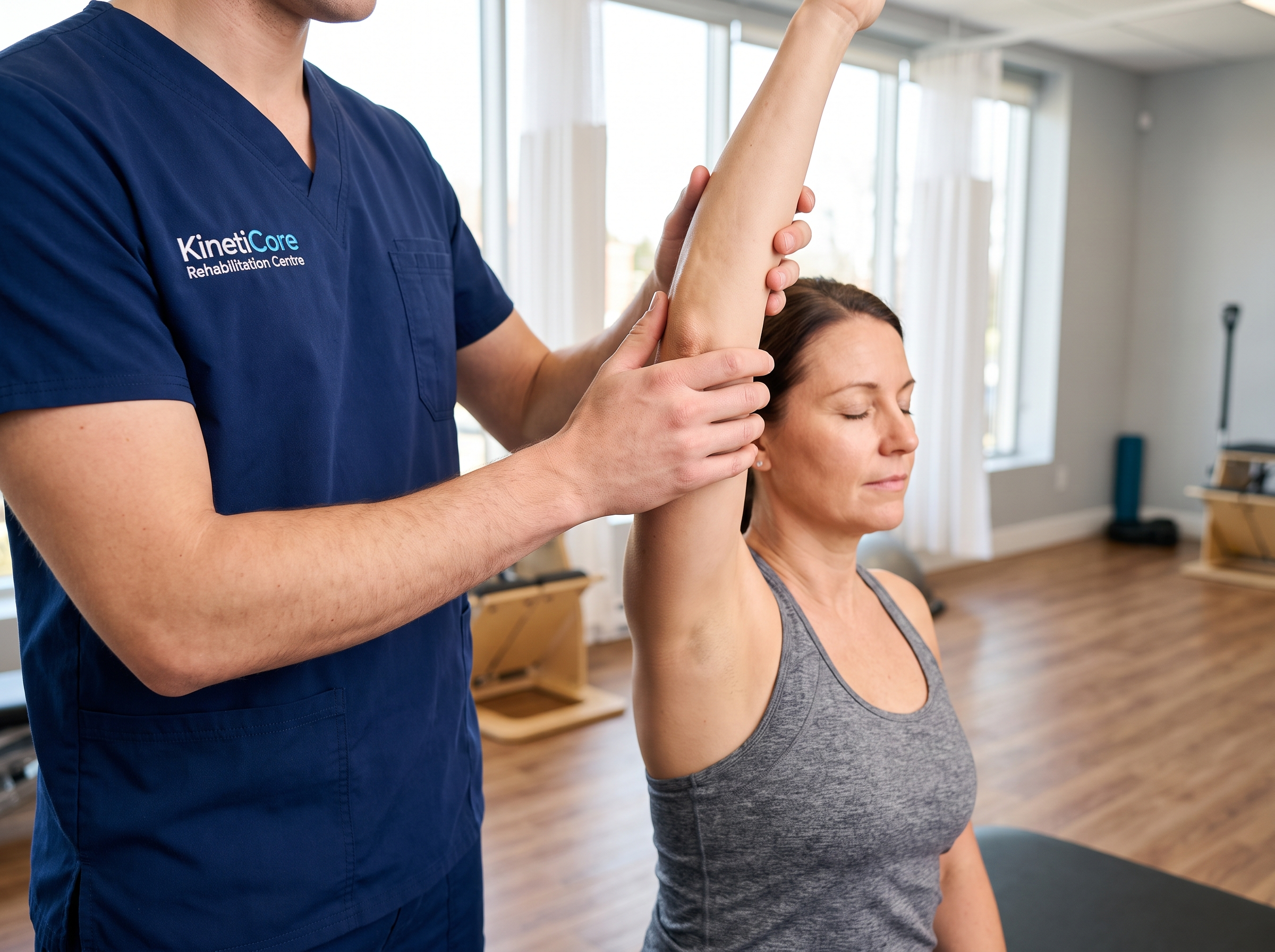
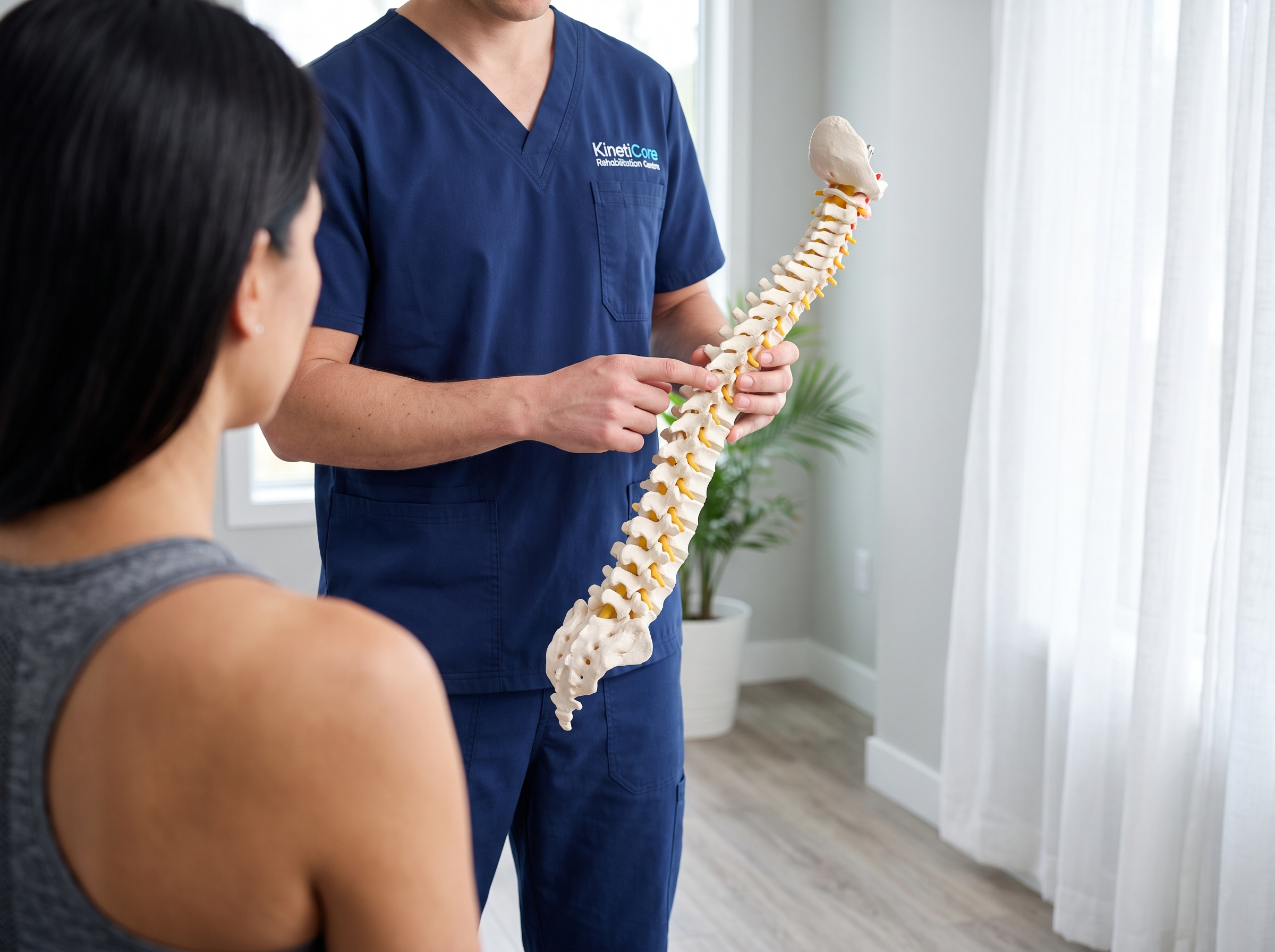
Programs follow the operating surgeon’s protocol and progress on test results rather than dates, and physiotherapists hold registration with the College of Physiotherapists of Ontario. Post-surgical physiotherapy runs alongside supervised strength work here.
Surgeon protocol followed exactly
Whatever the operating surgeon specified about bracing, weight bearing and range is followed exactly, with clarification requested where anything is ambiguous.
Quadriceps strength measured monthly
Quadriceps and hamstring strength are measured monthly against the uninjured leg, and progression to running or cutting waits until the gap closes sufficiently.
Hop and landing tests before clearance
Single and triple hop distance plus landing mechanics are tested before any clearance for cutting or contact, because those predict reinjury better than time.
Phase targets written down
Each phase has written entry criteria the athlete can see, so the athlete, the parents and the coach all work from the same information.
RESTORE. REBUILD. RECOVER.
Whether it has been a week or a decade, you do not have to keep adjusting your life around pain. Book your initial assessment at KC Rehab today and find out what real, movement based recovery actually feels like.
Our Customer Testimonials
Frequent Asked Questions
What does ACL rehabilitation involve month by month?
Rehabilitation runs in phases: swelling and extension first, strength through months two to five, running near month five, then cutting and contact once testing passes. Each phase has entry criteria. Progress varies between athletes. Adding contact us keeps the hip and ankle moving while the knee is limited.
When can running resume after knee surgery?
Running usually returns around month four or five, once quadriceps strength reaches roughly eighty percent of the other leg. Swelling response after loading is monitored closely each week. Treadmill work usually precedes outdoor running. Straight line running comes well before any change of direction.
Which tests decide readiness for contact sport?
Hop distance, landing mechanics, strength within ten percent of the other leg and sport specific drills together decide readiness. No single test clears an athlete. Psychological readiness is assessed as well. Richmond Hill keeps those results on file for the surgeon and the coach.
Why does the quadriceps waste so quickly?
Swelling and pain shut down quadriceps activation reflexively, so the muscle wastes within days of surgery. Early activation work limits the loss. Electrical stimulation helps some athletes considerably in the first fortnight. Athletes from Bayview Hill follow the same early protocol.
How is landing technique retrained?
Landing is retrained by drilling knee position, hip control and soft absorption from low heights before adding height or speed. Video feedback speeds the process up considerably. Landing under fatigue is tested as well before clearance. To ask what phase testing involves, please Rouge Woods.
Does the graft feel different from the original?
What raises the risk of a second ACL injury?
Returning before passing strength and hop testing is the strongest known risk factor for a second injury. Age under twenty and cutting sports raise it further. Continued strength work through the first season lowers it. Athletes in KinetiCore Rehabilitation Centre are held to the same criteria.
Can rehabilitation continue alongside team training?
Clinic rehabilitation and team training run together in the later phases, with total weekly load monitored between both. Coaches receive the current restrictions in writing. Clinic sessions are timed around team training days. Overlapping the two shortens the overall return to competition.