 Skip to content
Playing injuries cluster in the neck, shoulder, forearm and jaw, and several services below combine well inside one appointment. That matters when rehearsal weeks leave little spare time for a second trip south west along Highway 48.
Chiropractor in Stouffville for Musicians with Neck and Arm Pain
We provide chiropractic care in Stouffville for musicians carrying neck, shoulder, forearm and jaw discomfort from long practice hours. Assessment starts with the position your instrument puts you in.
Direct billing accepted with most major insurance providers




Google Reviews
5.0
"I've been seeing Dr. Karavanas for 4 years. He is the best Chiropractor in Markham."
Alex Z."I can't recommend Dr. Fiona Chan enough. She spends the entire appointment with you and always diagnoses the real cause of the issue."
Alain K."Dr. Fiona Chan is knowledgeable and patient with my kids, and has been a great support for their health and gymnastics performance."
William Y.
0 +
Years of Combined Experience


Who We Are
Main Street Stouffville, the GO Station and the Route via Highway 48
Main Street Stouffville and the GO Station sit about 25 minutes north east of the clinic, reached by driving south west along Highway 48 to Highway 7.
An instrument dictates posture, and every family loads a different structure. Guitar and bass pull the left wrist into extension and drag one shoulder forward under a strap. Assessment starts by watching you play or show the position, because the pattern of tightness follows the instrument closely. Treatment then covers the loaded regions and adds pacing, because two hours of unbroken practice loads tissue harder than four hours split into blocks with rest between them.
- Multidisciplinary Team
Chiropractors, physiotherapists, and registered massage therapists collaborating under one roof, so your care is coordinated, not fragmented.
- Movement Based Approach
We assess how your body actually moves, then build a treatment plan that restores function from the foundation up. Kinetic. Core. Foundation.
“An instrument sets your posture for hours. We work with that.”
Being told to practise less is useless advice for anyone with an audition or a recital booked. Pacing, position and warm up all change the load without cutting hours, and treatment fits between rehearsals. Most players keep playing throughout, at a volume that leaves symptoms quiet overnight.

What We Offer
Chiropractic Treatments for Playing Related Strain
Chiropractic Care

Chiropractic care frees the neck, upper back and shoulder girdle that an instrument holds in one position, and treats the wrist and jaw with them. Bow arm and fretting hand are examined too.
Physiotherapy

Physiotherapy builds the shoulder and neck endurance that long rehearsals demand, with exercises brief enough for a practice break. Scapular stamina decides how long you can hold an instrument up.
Registered Massage Therapy

Massage therapy releases the trapezius, forearm and pectoral tension built by sustained holding. Bookings run late enough to follow an evening rehearsal, a concert call or a long teaching block.
Acupuncture
Acupuncture can help ease ongoing forearm or neck pain where manual work has taken it only so far, using points near the site and along the arm. Fingers stay free for playing straight afterwards.
Class IV K-Laser Therapy

Class IV laser therapy helps calm an inflamed tendon in the wrist or shoulder, which suits a player performing this weekend. Nothing about it restricts a recital the following evening.
Custom Orthotics
Custom orthotics matter for drummers and organists who work pedals continuously through a set, and for anyone standing through long sets. Marching band footwear is reviewed and cast too.
Exercise Rehabilitation

Exercise rehabilitation builds the specific capacity a heavy rehearsal schedule needs, supervised by a Registered Kinesiologist and planned around auditions, recitals and tour dates.
Pelvic Floor Therapy

Pelvic floor therapy sits well apart from playing injuries, though wind and brass players raising pelvic floor concerns are assessed privately, since breath support and pelvic pressure interact.
Pediatric & Pregnancy Chiropractic

Pediatric and pregnancy chiropractic covers gentle assessment for students carrying instruments to school daily, where a heavy case and a growing spine combine badly. Case carrying gets corrected.
How It Works
Your Path from Pain to Lasting Movement
Every patient at KC Rehab follows the same proven four-step process, designed to uncover the root cause of your pain or restriction and build a recovery plan that actually lasts.
Step 1
Consultation and Assessment
Your first visit begins with a detailed conversation about your history, lifestyle, and goals. We then perform a hands on movement assessment to identify the underlying mechanics behind your symptoms.
Step 2
Personalized Treatment Plan
Based on your assessment findings, we build a treatment plan tailored to your specific needs, goals, and timeline. This may combine chiropractic, physiotherapy, RMT, acupuncture, and exercise rehabilitation.
Step 3
Active Treatment & Therapy
Your plan comes to life through manual therapy, targeted exercise, and the modalities best suited to your condition. Every session is monitored and adjusted based on your progress.
Step 4
Ongoing Care & Prevention
Once you have recovered, we equip you with the exercises, ergonomic advice, and maintenance schedule you need to stay pain-free and continue moving well for years to come.
Why CHoose Us
Why Stouffville Musicians Book Here
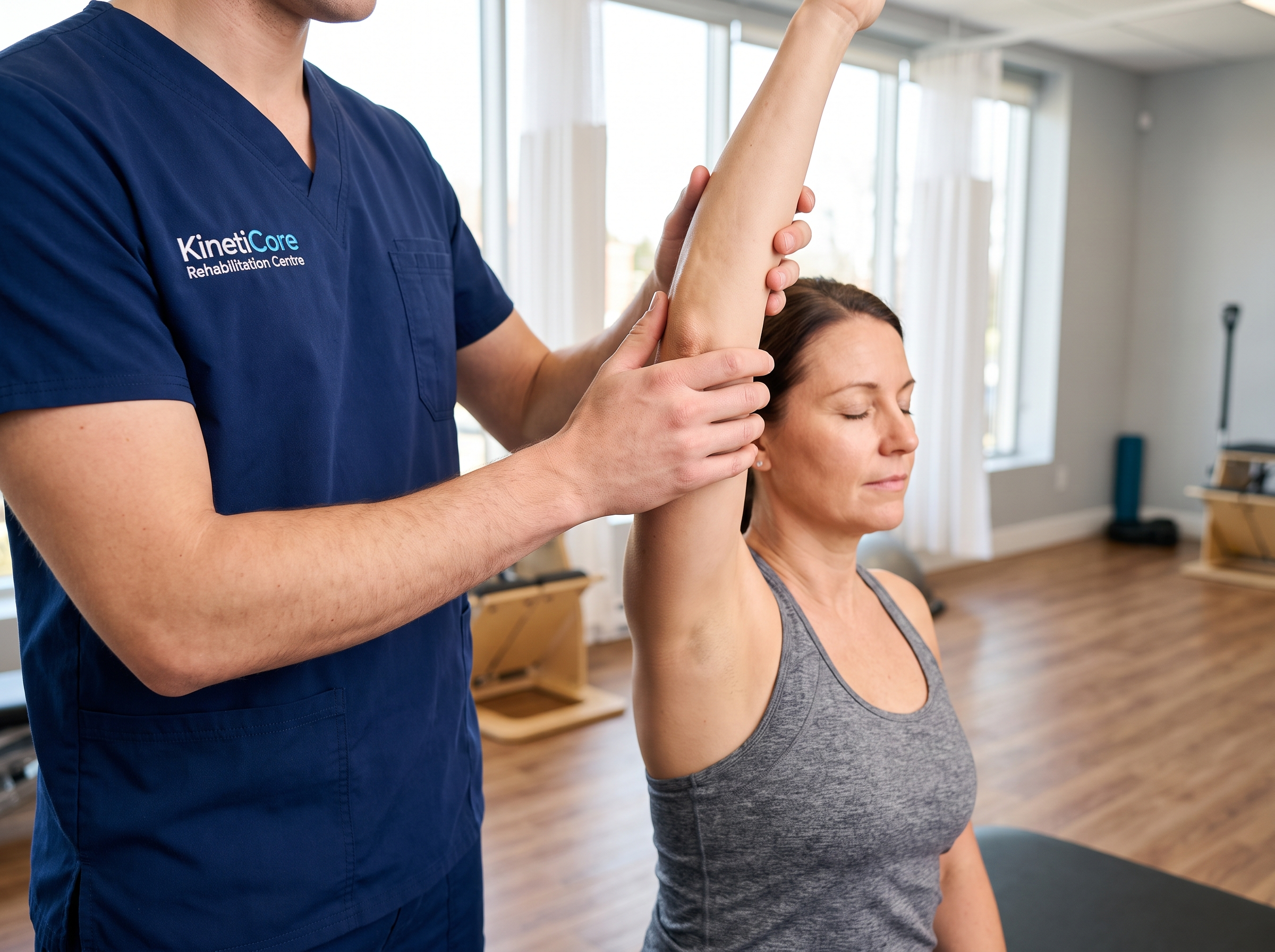
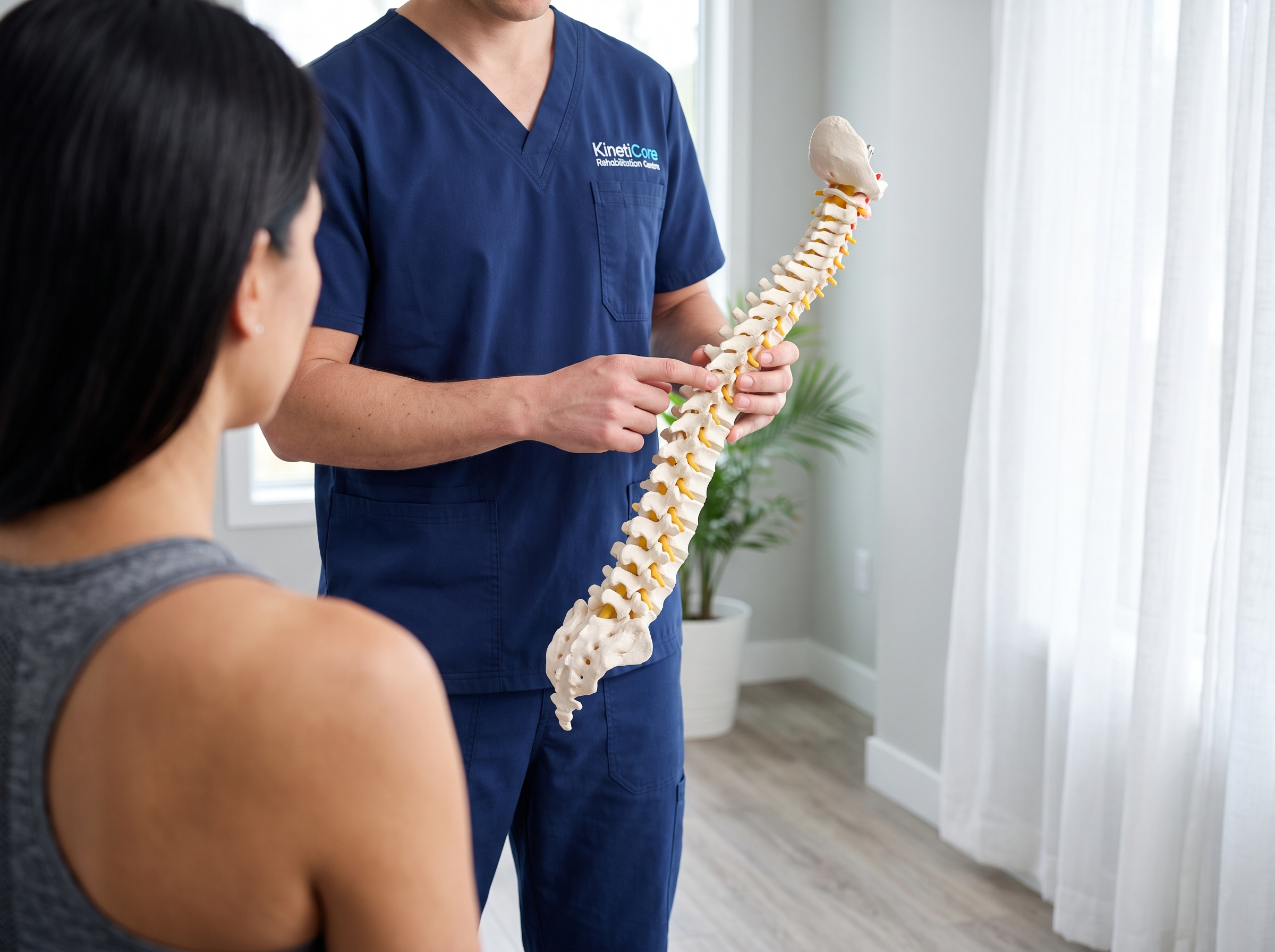
Assessment begins with the instrument rather than a generic posture screen, and every chiropractor holds registration with the College of Chiropractors of Ontario. Combining chiropractic care with massage therapy in one visit suits a full rehearsal week.
Instrument specific assessment
The position your instrument demands is examined directly, since a violinist, a drummer and a pianist develop entirely different patterns.
Rehearsal friendly scheduling
Appointments run late into the day and around performance dates, so treatment fits between rehearsals rather than competing with the ones that matter most.
Warm up and pacing plans
A short warm up and practice split into timed blocks reduces load without cutting total hours, which matters when an audition or recital is already booked.
Direct billing to most plans
Extended health claims are submitted at the desk where the plan allows it, including the coverage many orchestras and teaching contracts provide.
RESTORE. REBUILD. RECOVER.
Whether it has been a week or a decade, you do not have to keep adjusting your life around pain. Book your initial assessment at KC Rehab today and find out what real, movement based recovery actually feels like.
Our Customer Testimonials
Frequent Asked Questions
Why do musicians develop neck and shoulder pain?
Sustained holding in one position loads muscles continuously, which fatigues tissue faster than movement does. Shoulder elevation and forward head posture are the usual culprits. Practice length without breaks matters more than technique. Symptoms build over a heavy rehearsal period rather than suddenly.
Can string players avoid jaw and neck tension?
Chin rest height, shoulder rest depth and clamping habit can all be adjusted to reduce jaw and neck load substantially. Many clamp harder than the instrument needs. Setup changes are trialled at the visit. Combining that with physiotherapy builds the endurance that holds the position without clamping.
Does practising for hours cause lasting spinal strain?
Long unbroken sessions produce tissue irritation, though lasting structural change is not the usual outcome. Blocks of thirty minutes reduce the load. Recovery between rehearsal days matters as much. KinetiCore Rehabilitation Centre sets pacing plans around performance schedules rather than against them.
How should a guitar strap be adjusted for comfort?
Set the strap so the instrument sits at the same height standing and seated, which stops the left wrist compensating. Wider straps spread load across the shoulder. Position is checked with the instrument in hand at the visit. Players from Jefferson ask about the same adjustment.
Which pacing changes protect a heavy practice week?
Split practice into blocks of thirty to forty minutes with short breaks and vary repertoire so the same passage is not repeated for hours. Hardest work goes early, when tissue is fresh and attention is sharp. One lighter day mid week helps a great deal. Players from Aurora use the same weekly structure.
Can drummers protect the wrists and low back?
Is playing possible while treatment continues?
Nearly all players continue, with volume and session length capped at the level that leaves symptoms quiet the next morning. Full rest is rarely the right answer. Performance dates are worked around deliberately. Stopping entirely tends to leave the tissue less tolerant when playing resumes.
What warm up helps before a long practice session?
Five minutes of shoulder circles, neck movement and slow scales prepares tissue better than static stretching does. Warmth in the room helps the hands. Starting with easier material protects the first twenty minutes. To ask about a warm up for your instrument, please contact us.