 Skip to content

Foot posture in a growing child connects to knee alignment, hip control and general activity tolerance. Several regulated professions work in this building, so the wider picture can be assessed in one visit. Options are explained to both of you.
Custom Orthotics in Langstaff for Growing Feet
Custom foot orthotics are available to Langstaff families concerned about flat feet in a growing child or teenager. Growth stage is taken into account. Parents stay in the room throughout. Nothing is sold that is not needed.
Direct billing accepted with most major insurance providers




Google Reviews
5.0
"I've been seeing Dr. Karavanas for 4 years. He is the best Chiropractor in Markham."
Alex Z."I can't recommend Dr. Fiona Chan enough. She spends the entire appointment with you and always diagnoses the real cause of the issue."
Alain K."Dr. Fiona Chan is knowledgeable and patient with my kids, and has been a great support for their health and gymnastics performance."
William Y.
0 +
Years of Combined Experience
Who We Are
Langstaff GO Station, Red Maple Road and the Route East
From Langstaff GO Station on Red Maple Road, families reach the clinic by travelling east along Highway 7 toward McCowan Road in east Markham.
A low arch in a child is often entirely normal and needs nothing at all, which is why the first appointment is an assessment rather than a fitting. Pain, fatigue after short distances, uneven shoe wear and a foot that stays flat when the child rises onto their toes are the findings that change the answer. The arch is tested standing and on tiptoe. Sport and activity levels are discussed. Shoe wear patterns are examined. Watchful waiting is a valid outcome. Refit timing is planned if needed.
- Multidisciplinary Team
Chiropractors, physiotherapists, and registered massage therapists collaborating under one roof, so your care is coordinated, not fragmented.
- Movement Based Approach
We assess how your body actually moves, then build a treatment plan that restores function from the foundation up. Kinetic. Core. Foundation.
“A flat foot that does not hurt may need nothing at all.”
Plenty of children have low arches, run perfectly well and go on to have no trouble whatsoever. Treating an appearance rather than a symptom costs money and teaches a child that their body needs fixing when it does not. Symptoms decide the recommendation. Parents hear the reasoning either way.
What We Offer
Orthotics and Family Foot Care for Langstaff Patients
Chiropractic Care

Growing children sometimes develop knee or back discomfort alongside foot change, and chiropractic treatment is available where assessment supports it. Techniques are adapted for young patients.
Physiotherapy

Foot and calf strengthening can improve arch function in children, and physiotherapy supplies exercises children will do. Progress is retested every few months. Games are used where they help.
Registered Massage Therapy

Calf tightness during growth spurts pulls on the arch, and massage therapy can ease that for older children. Parental consent is taken first. Pressure is kept comfortable. A parent stays.
Acupuncture

Older teenagers with persistent foot pain sometimes have acupuncture considered, with parental consent taken first. Points follow the assessment. Nothing proceeds without agreement.
Class IV K-Laser Therapy
Heel pain in an active teenager can be treated with Class IV laser therapy alongside activity changes. Sessions take a few minutes. Nothing invasive is involved. Growth plates are avoided.
Custom Orthotics

Where symptoms warrant them, custom orthotics are cast from your child’s own feet and refitted as those feet grow. Refit intervals are planned ahead. School shoes are checked for fit.
Exercise Rehabilitation
Building general strength supports growing athletes, and exercise rehabilitation with a Registered Kinesiologist keeps it age-appropriate. Load rises gradually. Progress is recorded each visit.
Pelvic Floor Therapy
Parents attending with a child can arrange pelvic floor therapy with a pelvic-health physiotherapist. A private treatment room is used. Assessment stays discreet. Consent guides each step.
Pediatric & Pregnancy Chiropractic
Younger siblings can be seen through pediatric and pregnancy chiropractic, gentle low-force care for musculoskeletal comfort. Pregnancy discomfort is covered too. Nothing forceful is applied.
How It Works
Your Path from Pain to Lasting Movement
Every patient at KC Rehab follows the same proven four-step process, designed to uncover the root cause of your pain or restriction and build a recovery plan that actually lasts.
Step 1
Consultation and Assessment
Your first visit begins with a detailed conversation about your history, lifestyle, and goals. We then perform a hands on movement assessment to identify the underlying mechanics behind your symptoms.
Step 2
Personalized Treatment Plan
Based on your assessment findings, we build a treatment plan tailored to your specific needs, goals, and timeline. This may combine chiropractic, physiotherapy, RMT, acupuncture, and exercise rehabilitation.
Step 3
Active Treatment & Therapy
Your plan comes to life through manual therapy, targeted exercise, and the modalities best suited to your condition. Every session is monitored and adjusted based on your progress.
Step 4
Ongoing Care & Prevention
Once you have recovered, we equip you with the exercises, ergonomic advice, and maintenance schedule you need to stay pain-free and continue moving well for years to come.
Why CHoose Us
Why Langstaff Parents Start With an Assessment
Children are assessed before anything is recommended, and being told a foot needs nothing is a perfectly common outcome here. Growth stage shapes the advice. Parents stay in the room throughout. Shoe wear patterns are examined. Direct billing is available.
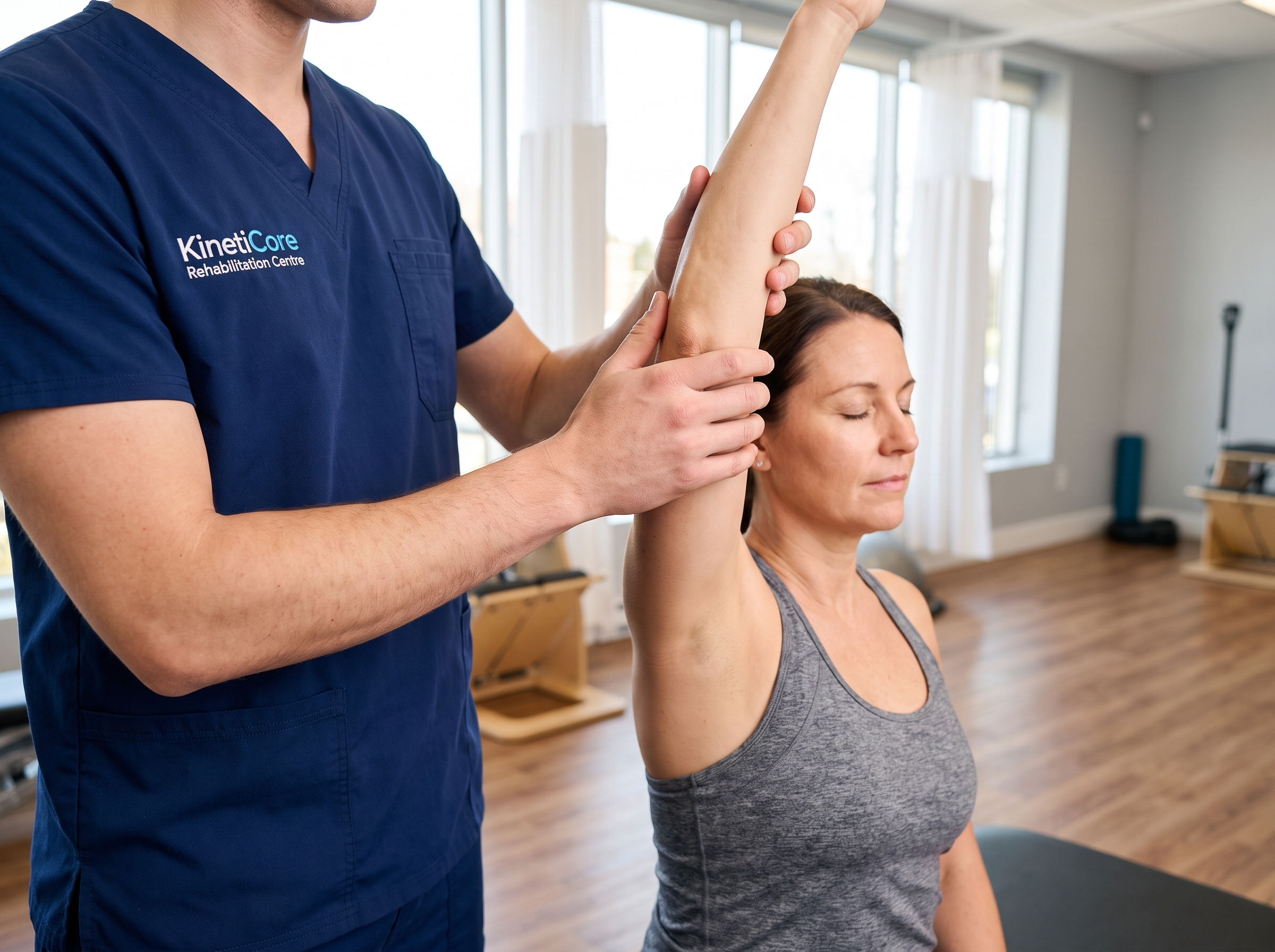
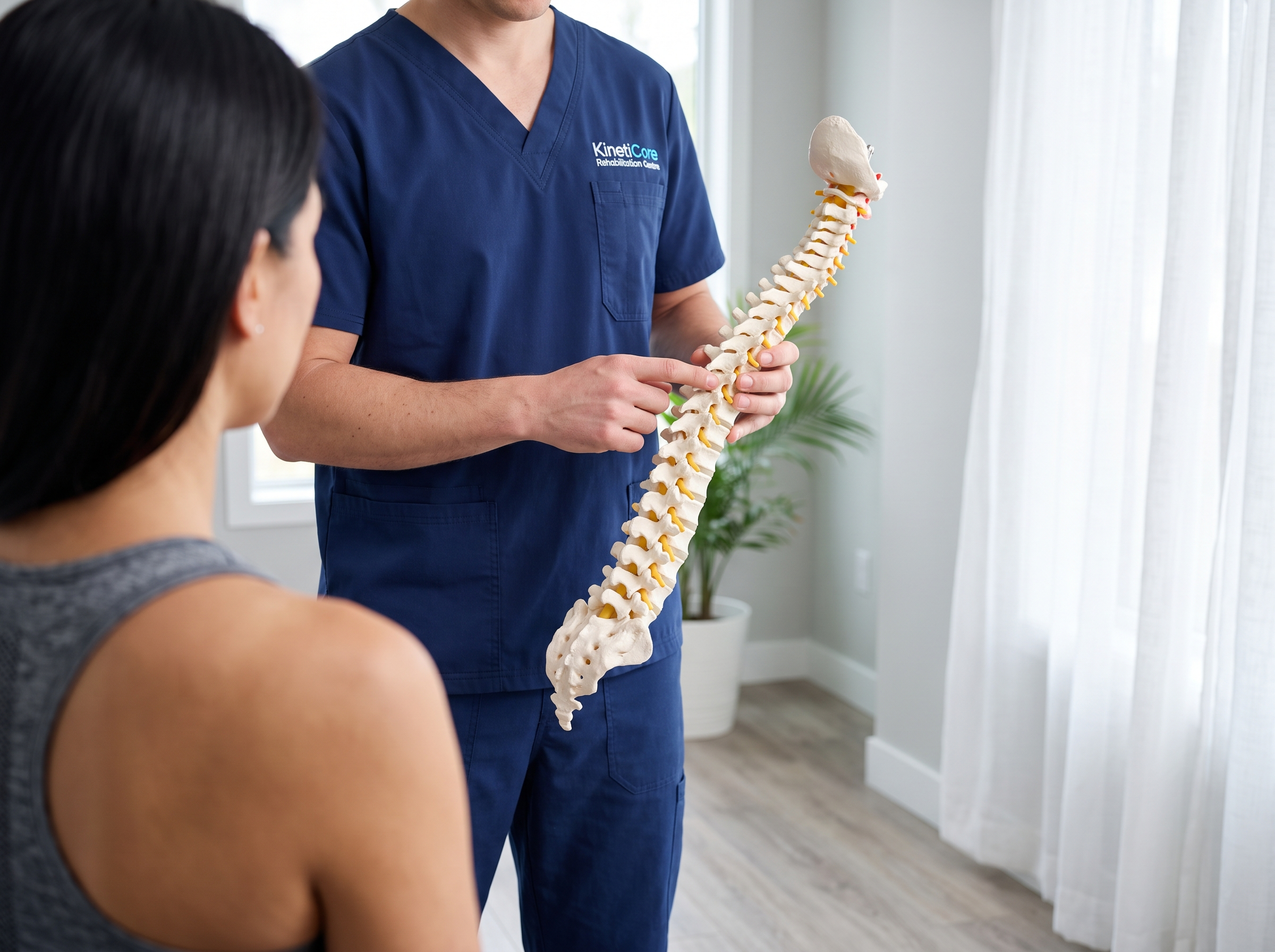
Assessment before any recommendation
The first appointment establishes whether anything is needed at all, rather than beginning from the assumption that a device is the answer.
Growth stage taken into account
Arches develop through childhood at different rates, so what looks flat at seven may look entirely different at eleven without any intervention.
Parents present throughout
A parent or guardian stays for the whole appointment, hears every finding and gives consent for anything that happens. Questions are welcome at any point.
Honest advice when nothing is needed
Where a low arch is painless and functioning well, you will be told that plainly rather than sold a device your child does not require.
RESTORE. REBUILD. RECOVER.
Whether it has been a week or a decade, you do not have to keep adjusting your life around pain. Book your initial assessment at KC Rehab today and find out what real, movement based recovery actually feels like.
Our Customer Testimonials
Frequent Asked Questions
Does every flat foot need an orthotic?
Most flat feet in children are flexible, painless and need no treatment whatsoever.Intervention is considered when pain, early fatigue or functional difficulty appear. Patients from Bayview Hill are frequently reassured rather than fitted. Symptoms drive the decision. Appearance alone rarely does.
At what age can a child be cast?
Casting is possible from around school age, though the decision rests on symptoms rather than a birthday.Younger children are usually monitored instead. KinetiCore Rehabilitation Centre explains what would change the recommendation as your child grows. Reviews are scheduled accordingly.
How often do growing feet need refitting?
Children commonly need new devices every twelve to eighteen months while feet are still growing.Shoe size change is the practical trigger. Patients from Richmond Hill are given a refit schedule at the first fitting so it can be budgeted for. Insurer intervals are checked too. Sudden growth shortens it.
Can foot posture affect knees and hips?
Foot position influences how the leg rotates during walking, which can contribute to knee and hip symptoms in some children.It is one factor among several. Combining support with chiropractic care addresses more of that chain. Assessment establishes what matters. Knees are examined too.
Are school shoes suitable for a device?
Most school shoes take a custom device once the existing insole is removed, though very flexible styles offer little to work with.Bring the shoes to the appointment. To ask which styles work before shopping, contact us beforehand. Sports shoes are checked separately. Very flexible soles are avoided.
Will an orthotic build the arch permanently?
What signs mean a child should be assessed?
Pain, refusing to walk distances, tripping frequently, uneven shoe wear or withdrawing from sport all warrant a look.Night pain deserves particular attention. Most children with these signs turn out to have something straightforward, but checking is worthwhile. Referral is arranged where needed.
Should a parent stay for the casting?
A parent or guardian stays throughout and provides consent for the assessment and for any device made.Children generally find the casting interesting rather than uncomfortable. Everything being done is explained to the child as well as the adult in the room. Nothing happens without agreement.