 Skip to content

Cycling complaints involve the foot, the knee and the equipment setup together. Several regulated professions work in this building, so the physical side can be assessed within one appointment. Assessment decides what is relevant.
Custom Orthotics in Rouge for Cycling Shoes
Custom foot orthotics are cast in Rouge for riders whose toes go numb partway through a long ride. Cycling shoes are brought to the casting. Cleat position is discussed at assessment. Referral to a bike fitter is available.
Direct billing accepted with most major insurance providers




Google Reviews
5.0
"I've been seeing Dr. Karavanas for 4 years. He is the best Chiropractor in Markham."
Alex Z."I can't recommend Dr. Fiona Chan enough. She spends the entire appointment with you and always diagnoses the real cause of the issue."
Alain K."Dr. Fiona Chan is knowledgeable and patient with my kids, and has been a great support for their health and gymnastics performance."
William Y.
0 +
Years of Combined Experience
Who We Are
Rouge National Urban Park, Port Union and the Route North West
Riders travel north west from the Rouge Park and Port Union area, joining Highway 7 for the final stretch west to the clinic at McCowan Road.
Cycling shoes are deliberately stiff and deliberately snug, which is excellent for power transfer and unhelpful for the nerves running between the metatarsals. Numbness arriving at a predictable point in a ride usually reflects pressure and cleat position rather than anything wrong with the nerve, and both are adjustable. Distance to numbness is logged. Cleat fore and aft position is discussed. Shoe volume is measured with the device. Sock thickness is factored in. Shoe wear is checked too.
- Multidisciplinary Team
Chiropractors, physiotherapists, and registered massage therapists collaborating under one roof, so your care is coordinated, not fragmented.
- Movement Based Approach
We assess how your body actually moves, then build a treatment plan that restores function from the foundation up. Kinetic. Core. Foundation.
“Numbness at forty minutes is a pressure problem.”
Riders often assume numb toes indicate something worrying about the nerves themselves. Far more often it reflects a stiff sole, a snug fit and a cleat sitting slightly too far forward, all of which concentrate load through the ball of the foot. Each factor is checked at assessment.
What We Offer
Orthotics and Cycling Care for Rouge Patients
Chiropractic Care

Pelvic and low back restriction affects position on the bike, and chiropractic care can address what testing finds there. Findings are explained plainly. Saddle position is discussed.
Physiotherapy

Hip and foot control influence how load reaches the pedal, and physiotherapy builds both alongside the device itself. Both sides are measured. Programmes suit training weeks. Progress is reviewed.
Registered Massage Therapy

Calves and hip flexors tighten across a riding season, and massage therapy can ease that between rides. Timing suits recovery days. Pressure matches your tolerance. Both legs are covered.
Acupuncture

Persistent forefoot discomfort that outlasts equipment changes sometimes eases with acupuncture added. Points follow the assessment. Reasoning is explained. Consent is taken each visit.
Class IV K-Laser Therapy
Forefoot or knee pain can be treated with Class IV laser therapy while equipment changes are being trialled. Sessions run a few minutes. Nothing invasive is involved. Riding the same day is fine.
Custom Orthotics

Built thin enough for a stiff cycling shoe, custom devices spread load across the forefoot instead of concentrating it over the cleat. Sock thickness is factored in. Casting is done on site.
Exercise Rehabilitation
Building riding volume without symptoms takes structure, and exercise rehabilitation with a Registered Kinesiologist tracks it. Both legs are compared. Distance rises on recorded evidence.
Pelvic Floor Therapy
Long hours in the saddle can bring pelvic symptoms, and pelvic floor therapy is delivered by a pelvic-health physiotherapist. A private treatment room is used. Assessment stays discreet.
Pediatric & Pregnancy Chiropractic
Riding families sometimes add pediatric and pregnancy chiropractic, gentle low-force care for musculoskeletal comfort. Pregnancy foot change is common. Children are treated gently.
How It Works
Your Path from Pain to Lasting Movement
Every patient at KC Rehab follows the same proven four-step process, designed to uncover the root cause of your pain or restriction and build a recovery plan that actually lasts.
Step 1
Consultation and Assessment
Your first visit begins with a detailed conversation about your history, lifestyle, and goals. We then perform a hands on movement assessment to identify the underlying mechanics behind your symptoms.
Step 2
Personalized Treatment Plan
Based on your assessment findings, we build a treatment plan tailored to your specific needs, goals, and timeline. This may combine chiropractic, physiotherapy, RMT, acupuncture, and exercise rehabilitation.
Step 3
Active Treatment & Therapy
Your plan comes to life through manual therapy, targeted exercise, and the modalities best suited to your condition. Every session is monitored and adjusted based on your progress.
Step 4
Ongoing Care & Prevention
Once you have recovered, we equip you with the exercises, ergonomic advice, and maintenance schedule you need to stay pain-free and continue moving well for years to come.
Why CHoose Us
Why Rouge Riders Are Cast Here
Numbness is treated as a pressure and setup question, so custom orthotics here are built thin and wide-loading for stiff cycling shoes. Cleat position is discussed. Distance to numbness is recorded. Fitter referral is available. Parking sits outside.
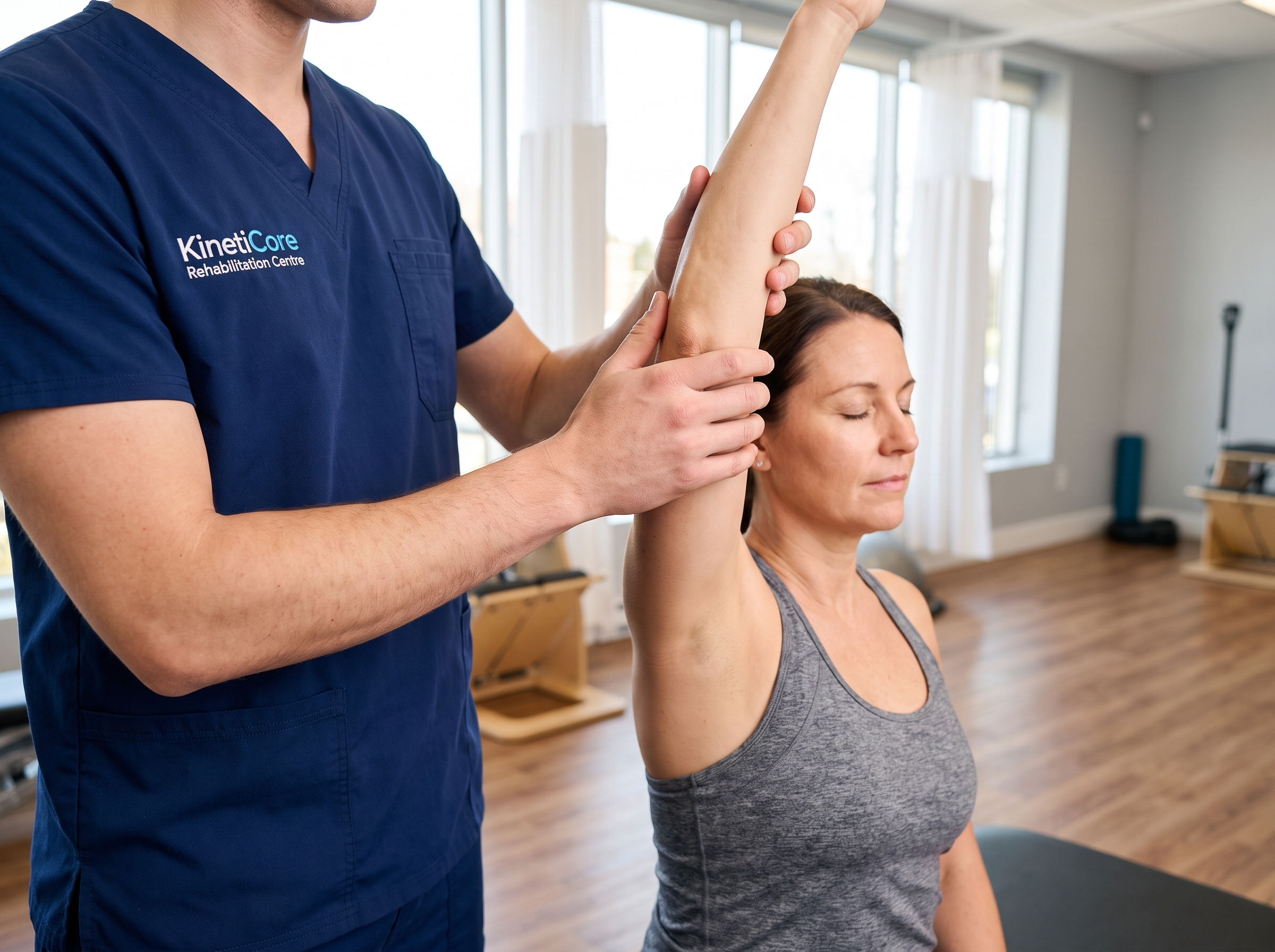
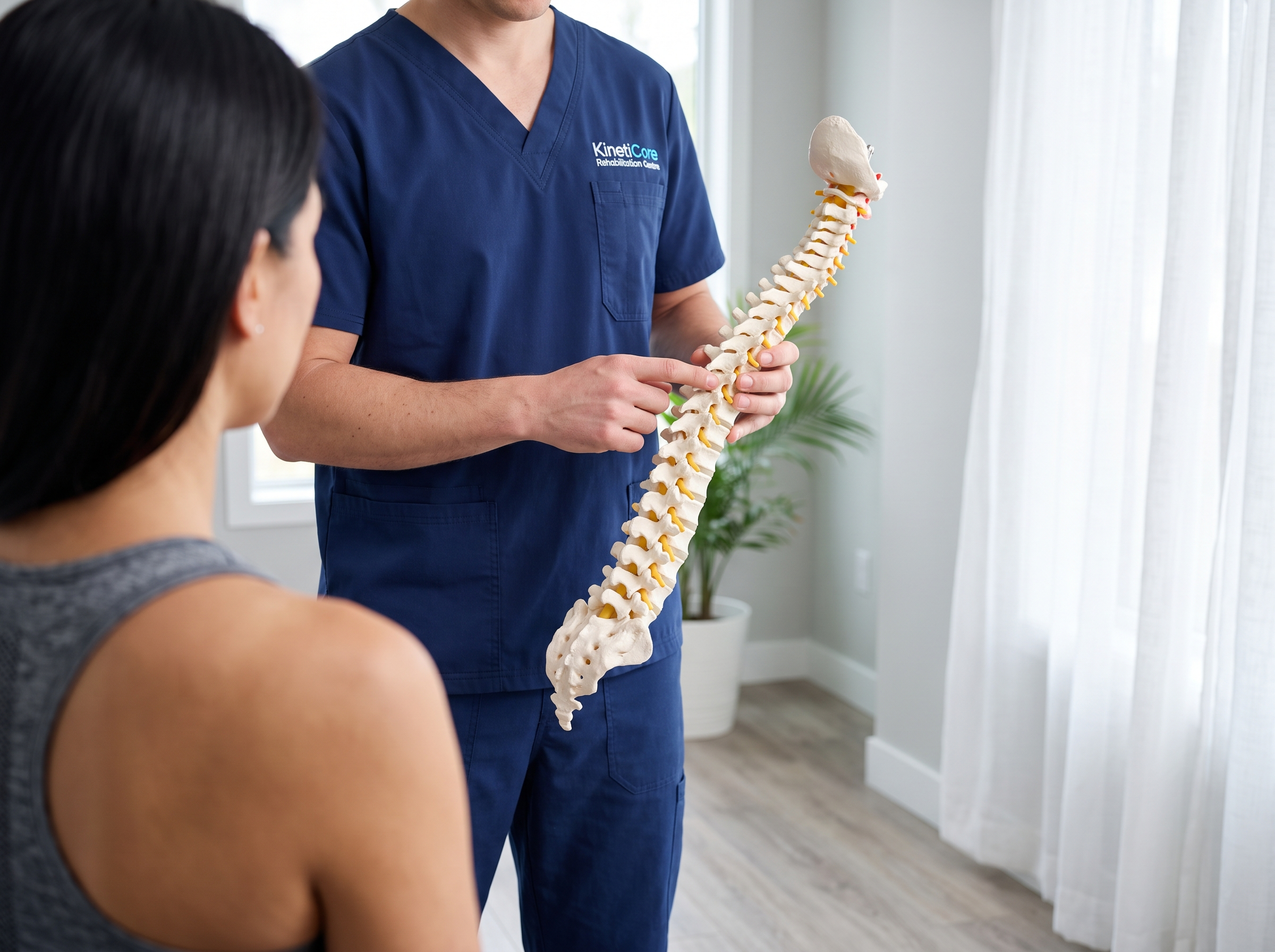
Cycling shoes brought to casting
Road and gravel shoes differ in volume, and a device built without the shoe present rarely fits a snug cycling last properly. Sock thickness is included.
Cleat position discussed
Cleats sitting too far forward concentrate pressure through the ball of the foot, which is a common and easily adjusted contributor.
Distance to numbness recorded
The point in a ride where symptoms begin is logged each visit, giving a number that moves measurably as changes take effect. Progress becomes visible early.
Fitter referral available
Where saddle height or reach is contributing, referral to a bike fitter is suggested rather than pretending a device solves everything.
RESTORE. REBUILD. RECOVER.
Whether it has been a week or a decade, you do not have to keep adjusting your life around pain. Book your initial assessment at KC Rehab today and find out what real, movement based recovery actually feels like.
Our Customer Testimonials
Frequent Asked Questions
Why do toes go numb on longer rides?
Sustained pressure through the ball of the foot compresses the nerves running between the metatarsals, and stiff snug shoes concentrate it.Swelling over a ride adds to it. Patients from Morningside describe exactly the same predictable onset. Distance to onset is worth logging. It shifts as pressure eases.
Can a device fit inside a stiff cycling shoe?
Thin cycling-specific devices fit most road and gravel shoes once the stock insole is removed.Volume is tight so measurement matters. KinetiCore Rehabilitation Centre fits with your usual socks rather than working from the shoe size alone. Fit is confirmed at collection. Bring both pairs if you rotate.
Does cleat position affect forefoot pressure?
Cleats set too far forward place more load through the ball of the foot, and shifting them rearward often eases numbness.Small changes matter here. Patients from Bendale frequently find this the single most useful adjustment of all. One change is trialled at a time. Effects show within a ride or two.
Are cycling insoles different from walking ones?
Cycling devices are thinner, firmer and shaped for a fixed foot position rather than for a walking gait cycle.Walking devices rarely fit cycling shoes. To ask what a cycling build involves, contact us before booking. A separate pair is usually needed. Walking devices rarely transfer.
What is the route north west from Port Union?
The drive runs north west from the Rouge Park and Port Union area, joining Highway 7 for the final stretch toward McCowan Road.Free parking sits outside. Patients from Woburn approach the clinic along the same highway. Ground floor access, no stairs. Allow extra time at peak periods.
Should shoes be sized up for long rides?
Do arch supports help knee tracking on the bike?
Foot position on the pedal influences knee alignment, so support can help where the foot collapses under load.Cleat rotation matters as much. Both are looked at rather than assuming the device alone will settle a knee complaint. Response is reviewed over weeks. Cleat rotation is adjustable.
Would a bike fit be the better first step?
Where saddle height, reach or cleat setup look wrong, a proper fit often resolves more than any device would.That is said plainly rather than glossed over. Referral is suggested and the foot assessment can follow afterwards if symptoms remain. Both approaches work well together.