 Skip to content

Forefoot pain involves footwear, calf tightness and activity volume together. Several professions work in this building. Contributing factors fit into a single plan. Assessment decides what applies. Options are explained before starting.
Custom Orthotics in West Hill for Pain Under the Big Toe
Custom foot orthotics are cast in West Hill for patients with tenderness under the big toe joint that worsens at push-off. Offloading is built into the design. Activity load is reviewed openly. Referral is arranged when needed.
Direct billing accepted with most major insurance providers




Google Reviews
5.0
"I've been seeing Dr. Karavanas for 4 years. He is the best Chiropractor in Markham."
Alex Z."I can't recommend Dr. Fiona Chan enough. She spends the entire appointment with you and always diagnoses the real cause of the issue."
Alain K."Dr. Fiona Chan is knowledgeable and patient with my kids, and has been a great support for their health and gymnastics performance."
William Y.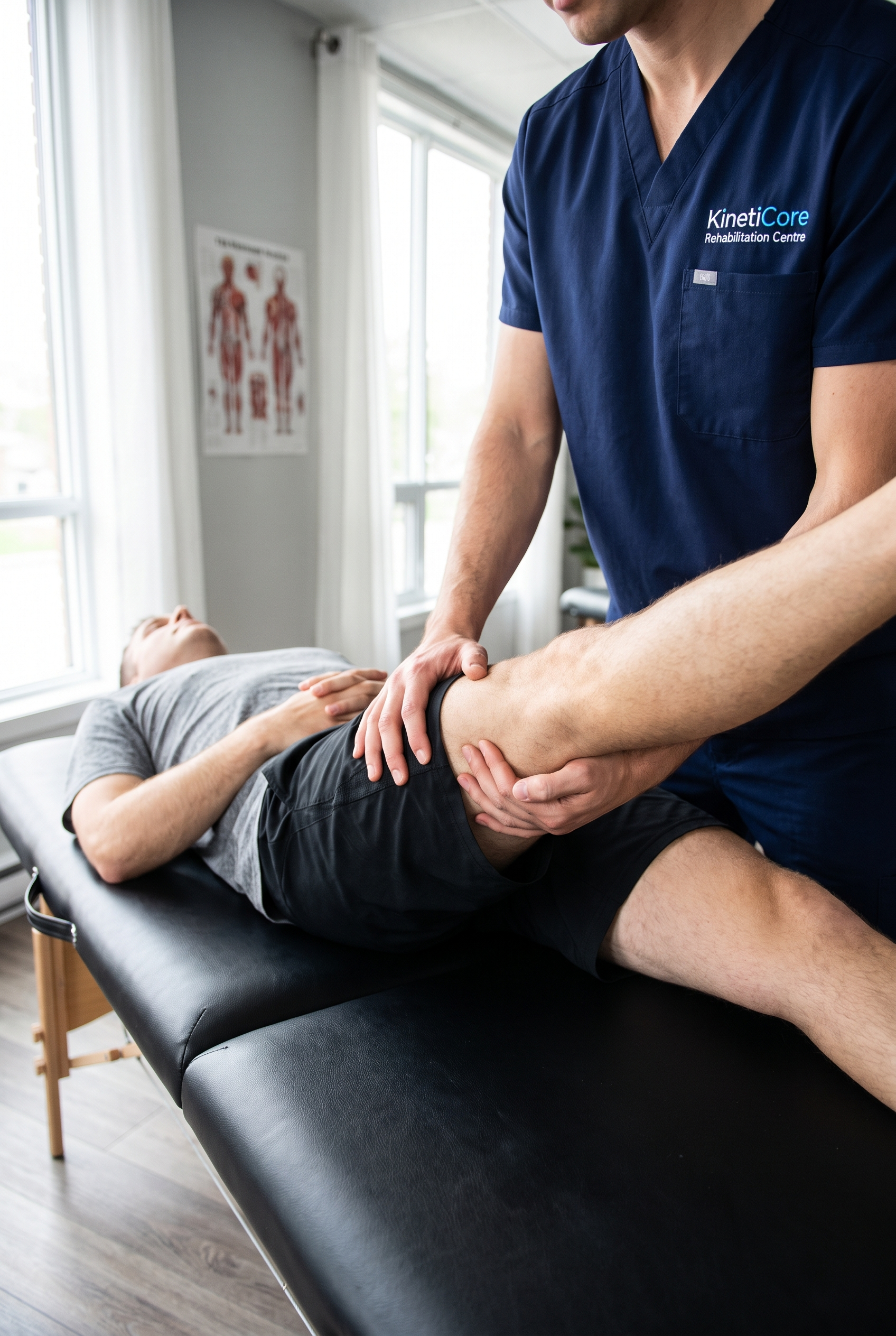
0 +
Years of Combined Experience
Who We Are
Colonel Danforth Park, Kingston Road at Lawrence and the Route North
West Hill patients travel north on Markham Road from the Kingston Road and Colonel Danforth Park area, then east on Highway 7 toward McCowan Road.
Two small bones sit inside the tendon beneath the big toe joint and take a remarkable share of body weight at push-off. When they become irritated, every step that rolls through the forefoot hurts, and the practical answer is to route load around them using a device shaped for exactly that purpose. The tender point is located precisely. Push-off is watched during walking. Activity volume is reviewed openly. Offloading is built into the shell. Footwear is examined closely.
- Multidisciplinary Team
Chiropractors, physiotherapists, and registered massage therapists collaborating under one roof, so your care is coordinated, not fragmented.
- Movement Based Approach
We assess how your body actually moves, then build a treatment plan that restores function from the foundation up. Kinetic. Core. Foundation.
“Two small bones take a surprising amount of the load.”
Most people have never heard of the sesamoids until one starts hurting. They sit directly beneath the big toe joint and absorb load with every push-off, which is why the pain is so consistent and so difficult to walk away from. The diagnosis is explained at assessment. Offloading follows from it.
What We Offer
Orthotics and Forefoot Care for West Hill Patients
Chiropractic Care

Limping to protect a sore forefoot stiffens the ankle and hip, and chiropractic care can address the restriction that follows. Both sides are assessed. Findings are explained plainly.
Physiotherapy

Calf flexibility and foot strength reduce forefoot pressure, and physiotherapy supplies the programme behind them. Progress is retested regularly. Load is staged carefully. Both feet are measured.
Registered Massage Therapy

Tight calves drive more force through the forefoot at push-off, and massage therapy can ease that contribution. Pressure stays comfortable throughout. The tender point is always avoided.
Acupuncture

Persistent forefoot pain that outlasts offloading sometimes eases when acupuncture is added to the plan. Points follow the assessment. Reasoning is explained. Consent is taken each visit.
Class IV K-Laser Therapy
Localised forefoot pain can be treated with Class IV laser therapy alongside offloading and rest from impact. Sessions run a few minutes. Nothing invasive is involved. Walking afterwards is fine.
Custom Orthotics

Built with a cut-out and posting that routes load around the tender bones, custom devices let the forefoot roll through without pressing on the sore point. Footwear is fitted alongside.
Exercise Rehabilitation
Returning to impact activity takes staged loading, and exercise rehabilitation with a Registered Kinesiologist tracks that. Both feet are compared. Volume rises on recorded evidence.
Pelvic Floor Therapy
Patients combining appointments can add pelvic floor therapy, delivered by a pelvic-health physiotherapist. A private treatment room is used. Assessment stays discreet. Consent guides each step.
Pediatric & Pregnancy Chiropractic
Families attending together can arrange pediatric and pregnancy chiropractic, gentle low-force care for musculoskeletal comfort. Pregnancy foot change is common. Children are treated gently.
How It Works
Your Path from Pain to Lasting Movement
Every patient at KC Rehab follows the same proven four-step process, designed to uncover the root cause of your pain or restriction and build a recovery plan that actually lasts.
Step 1
Consultation and Assessment
Your first visit begins with a detailed conversation about your history, lifestyle, and goals. We then perform a hands on movement assessment to identify the underlying mechanics behind your symptoms.
Step 2
Personalized Treatment Plan
Based on your assessment findings, we build a treatment plan tailored to your specific needs, goals, and timeline. This may combine chiropractic, physiotherapy, RMT, acupuncture, and exercise rehabilitation.
Step 3
Active Treatment & Therapy
Your plan comes to life through manual therapy, targeted exercise, and the modalities best suited to your condition. Every session is monitored and adjusted based on your progress.
Step 4
Ongoing Care & Prevention
Once you have recovered, we equip you with the exercises, ergonomic advice, and maintenance schedule you need to stay pain-free and continue moving well for years to come.
Why CHoose Us
Why West Hill Patients Bring Big Toe Pain Here
The tender point is located precisely before design begins, because custom orthotics only help here if the load is routed around exactly the right spot. Push-off is watched during walking. Activity volume is reviewed. Referral is arranged when needed.
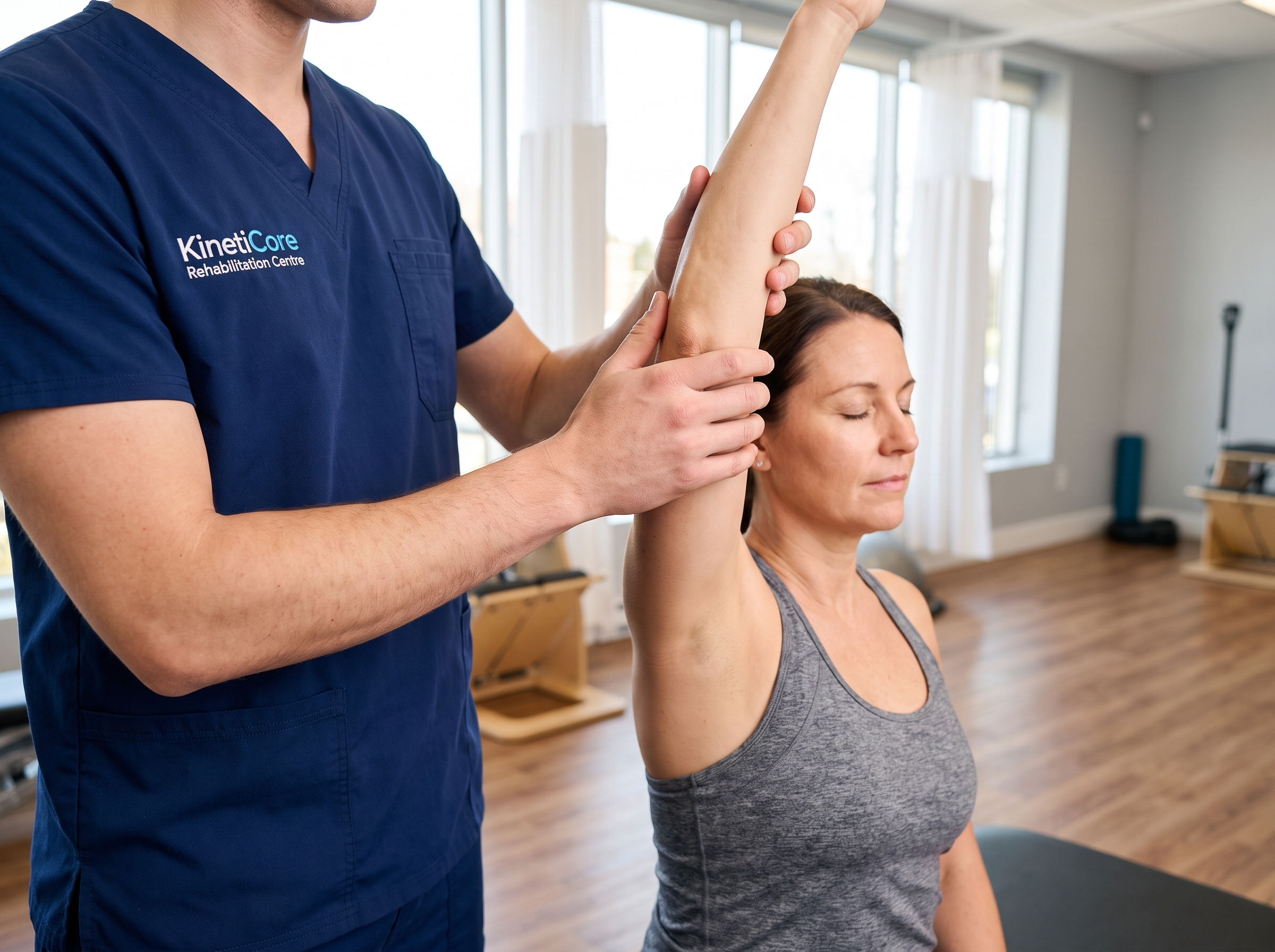
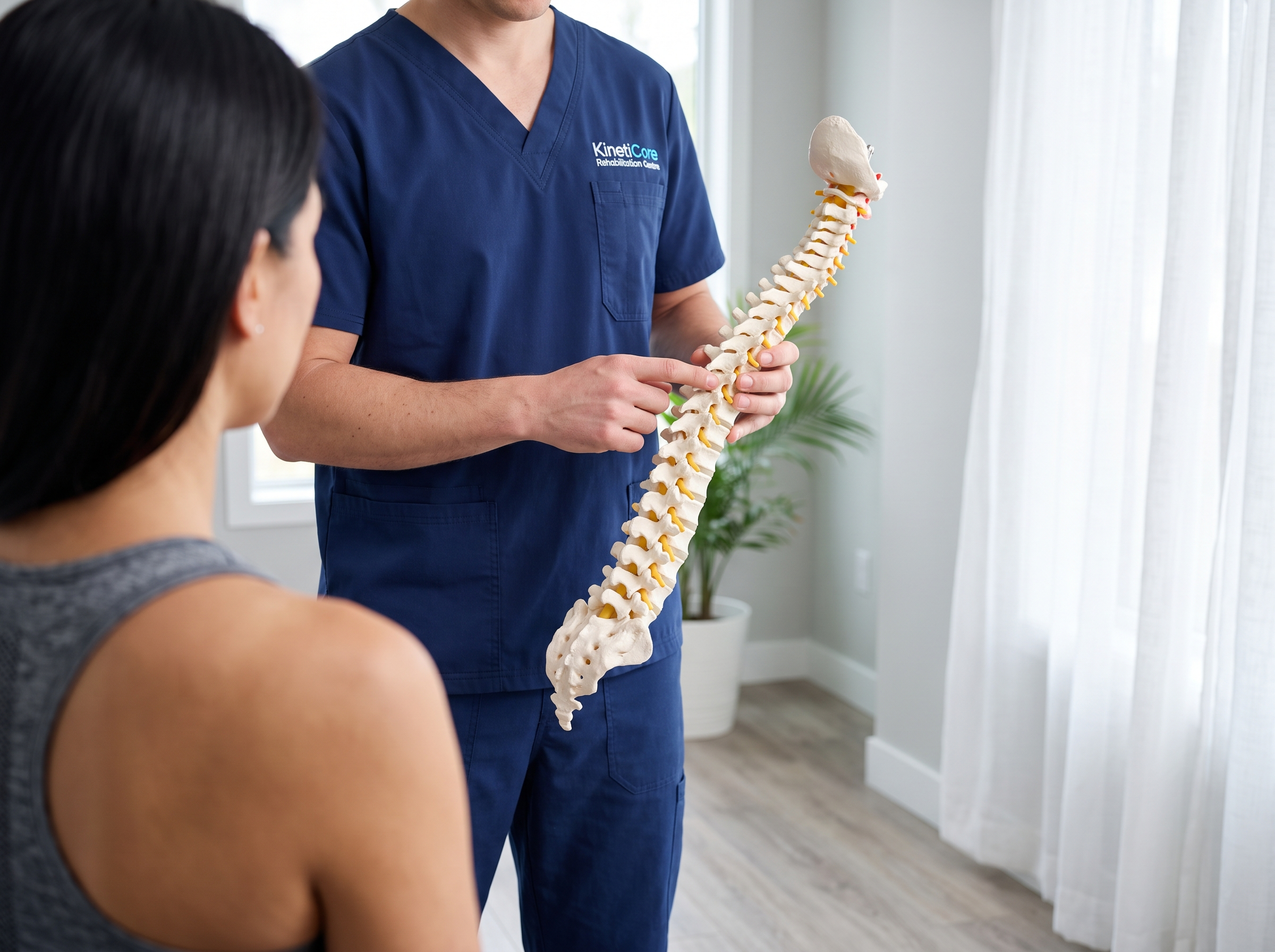
Offloading built into the design
A cut-out and posting are shaped so weight passes around the painful bones rather than through them at push-off. Position is confirmed at fitting.
Pain point located precisely
Exactly which structure is tender is established at assessment, since forefoot pain has several possible sources that need different handling.
Activity load reviewed openly
Running volume, dancing and hill walking are asked about plainly, because impact through the forefoot is usually part of the story.
Referral arranged when needed
Where a fracture or a bone stress problem is suspected, imaging or a specialist opinion is arranged rather than treatment continuing.
RESTORE. REBUILD. RECOVER.
Whether it has been a week or a decade, you do not have to keep adjusting your life around pain. Book your initial assessment at KC Rehab today and find out what real, movement based recovery actually feels like.
Our Customer Testimonials
Frequent Asked Questions
What are the sesamoid bones?
They are two pea-sized bones sitting inside the tendon beneath the big toe joint, acting like a pulley at push-off.Everyone has them. Patients from Highland Creek have usually never heard of them before their appointment. Their position explains the pain pattern. Both feet have a pair.
Why does pushing off hurt most?
Push-off drives body weight directly over the sesamoids, which is the moment they take their heaviest load.Flat standing hurts far less. KinetiCore Rehabilitation Centre watches walking to confirm the pattern rather than relying on description alone. Hills and stairs make it worse.
How does a device offload that spot?
A recess under the painful bones combined with support elsewhere routes weight around them rather than through them.Position has to be accurate. Patients from Morningside with similar forefoot problems receive the same approach exactly. Fit is confirmed at collection. Adjustments can follow later.
Could this be a stress fracture instead?
Sesamoid stress fractures do occur and are worth ruling out where pain is sharp, focal and worsening.Imaging is arranged when indicated. To ask whether your symptoms warrant a scan, contact us and book an assessment. Night pain is a warning sign. Referral is straightforward. Most cases need no imaging.
What is the route north from Kingston Road?
Markham Road runs north from the Kingston Road and Lawrence area, meeting Highway 7 for the final stretch east.Free parking sits outside with ground floor access. Patients from Bendale join the same road a little further west. Allow extra time in peak periods. Drop-off at the door is possible.
Do high heels contribute to it?
How long does sesamoid pain take to settle?
Several weeks to a few months is typical with proper offloading and a reduction in impact activity.Progress is often slower than people expect. Continuing full impact through the painful phase is the most common reason recovery stalls entirely. Return is staged rather than sudden.
Should running stop completely?
Impact is usually reduced rather than eliminated, with cycling or swimming maintaining fitness during the settling period.Complete rest is rarely necessary. Volume is rebuilt in stages once push-off stops provoking symptoms consistently. Pain rules are given to follow. Surfaces are considered too.