 Skip to content

A collapsing arch involves the tendon, the ankle and the walking pattern together. Several professions work in this building. Those elements fit within one plan. Assessment decides what is relevant. Priorities are agreed with you.
Custom Orthotics in Woburn for a Collapsed Adult Arch
Custom foot orthotics are made in Woburn for adults whose arch has flattened over recent years rather than always being low. Tendon function is tested directly. Early stages are treated differently. Referral is arranged when needed.
Direct billing accepted with most major insurance providers




Google Reviews
5.0
"I've been seeing Dr. Karavanas for 4 years. He is the best Chiropractor in Markham."
Alex Z."I can't recommend Dr. Fiona Chan enough. She spends the entire appointment with you and always diagnoses the real cause of the issue."
Alain K."Dr. Fiona Chan is knowledgeable and patient with my kids, and has been a great support for their health and gymnastics performance."
William Y.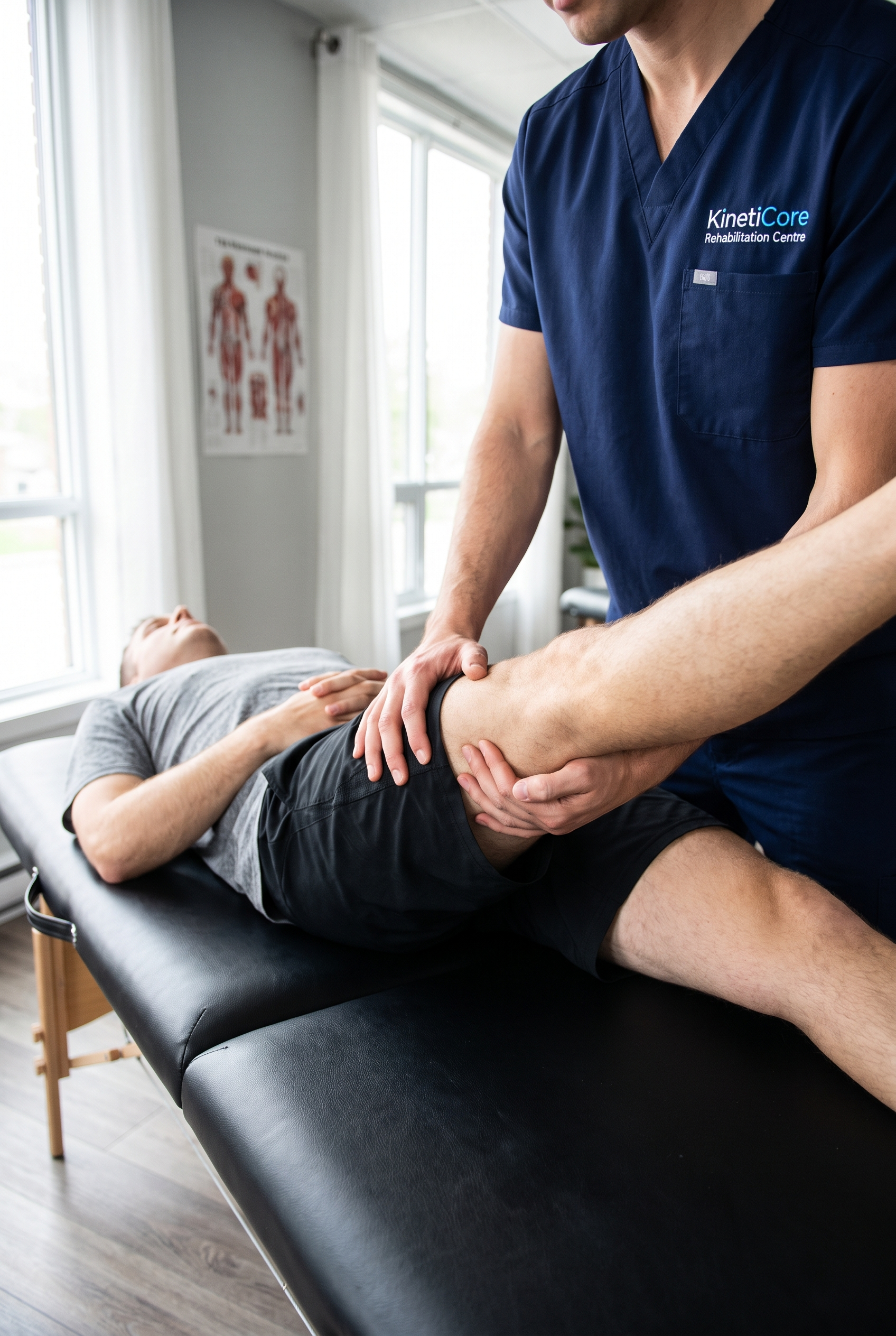
0 +
Years of Combined Experience
Who We Are
Scarborough General Hospital, Markham at Lawrence and the Route North
Woburn patients travel north on Markham Road from the Lawrence Avenue area, then east along Highway 7 to reach the clinic sited at McCowan Road.
An arch that was fine at thirty and has quietly flattened by fifty is a different problem from a foot that was always flat, and the tendon running behind the inner ankle is usually involved. Catching that early matters, because a flexible foot responds to support and strengthening far better than a stiff one that has settled into its new position. Change over years is asked about. Single heel raise is tested both sides. Flexibility of the arch is assessed. Referral follows where indicated.
- Multidisciplinary Team
Chiropractors, physiotherapists, and registered massage therapists collaborating under one roof, so your care is coordinated, not fragmented.
- Movement Based Approach
We assess how your body actually moves, then build a treatment plan that restores function from the foundation up. Kinetic. Core. Foundation.
“An arch that changed in your forties is a different story.”
Lifelong flat feet often cause no trouble at all. An arch that has dropped in adulthood, particularly on one side, is telling a different story and deserves proper assessment rather than the same advice given to everyone with a low arch. Timing of the change is the key question.
What We Offer
Orthotics and Tendon Care for Woburn Patients
Chiropractic Care

Altered walking patterns stiffen the ankle and hip over time, and chiropractic treatment can address the restriction that follows. Findings are explained plainly. Techniques stay comfortable.
Physiotherapy

Strengthening the tendon behind the inner ankle is central here, and physiotherapy supplies that graded programme. Heel raises are counted each visit. Progress is reviewed monthly.
Registered Massage Therapy

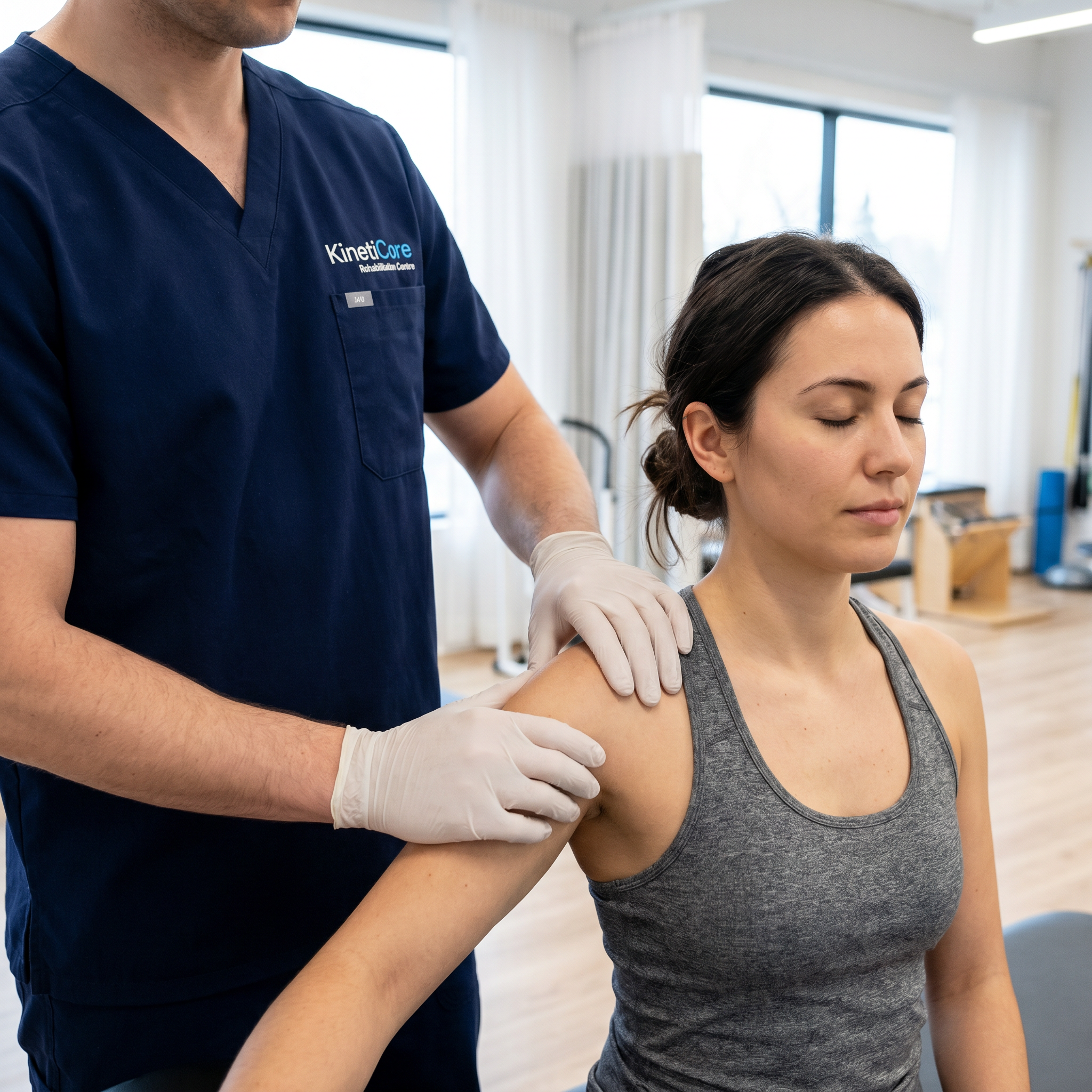
Calf tightness increases the load a struggling tendon has to manage, and massage therapy can ease that tightness. Pressure stays comfortable. Sessions suit the end of a week. Both calves are treated.
Acupuncture

Persistent inner ankle pain that has outlasted support changes sometimes eases with acupuncture added. Points follow the assessment. Reasoning is explained. Consent is taken each visit.
Class IV K-Laser Therapy
Tendon pain behind the inner ankle can be treated with Class IV laser therapy alongside strengthening work. Sessions run a few minutes. Nothing invasive is involved. Walking afterwards is fine.
Custom Orthotics

Built to support a foot that is still flexible, custom orthotics reduce the load the inner ankle tendon has to carry with every step. Casting is done on site. Footwear is fitted alongside.
Exercise Rehabilitation

Rebuilding calf and foot capacity is measurable work, and exercise rehabilitation with a Registered Kinesiologist tracks it. Both sides are compared. Load rises on recorded evidence.
Pelvic Floor Therapy
Patients combining appointments can add pelvic floor therapy, delivered by a pelvic-health physiotherapist. A private treatment room is used. Assessment stays discreet. Consent guides each step.
Pediatric & Pregnancy Chiropractic

Arch change during pregnancy is common, and pediatric and pregnancy chiropractic offers gentle low-force care for musculoskeletal comfort. Children are seen just as gently. Everything stays measured.
How It Works
Your Path from Pain to Lasting Movement
Every patient at KC Rehab follows the same proven four-step process, designed to uncover the root cause of your pain or restriction and build a recovery plan that actually lasts.
Step 1
Consultation and Assessment
Your first visit begins with a detailed conversation about your history, lifestyle, and goals. We then perform a hands on movement assessment to identify the underlying mechanics behind your symptoms.
Step 2
Personalized Treatment Plan
Based on your assessment findings, we build a treatment plan tailored to your specific needs, goals, and timeline. This may combine chiropractic, physiotherapy, RMT, acupuncture, and exercise rehabilitation.
Step 3
Active Treatment & Therapy
Your plan comes to life through manual therapy, targeted exercise, and the modalities best suited to your condition. Every session is monitored and adjusted based on your progress.
Step 4
Ongoing Care & Prevention
Once you have recovered, we equip you with the exercises, ergonomic advice, and maintenance schedule you need to stay pain-free and continue moving well for years to come.
Why CHoose Us
Why Woburn Patients With a Dropped Arch Come Here
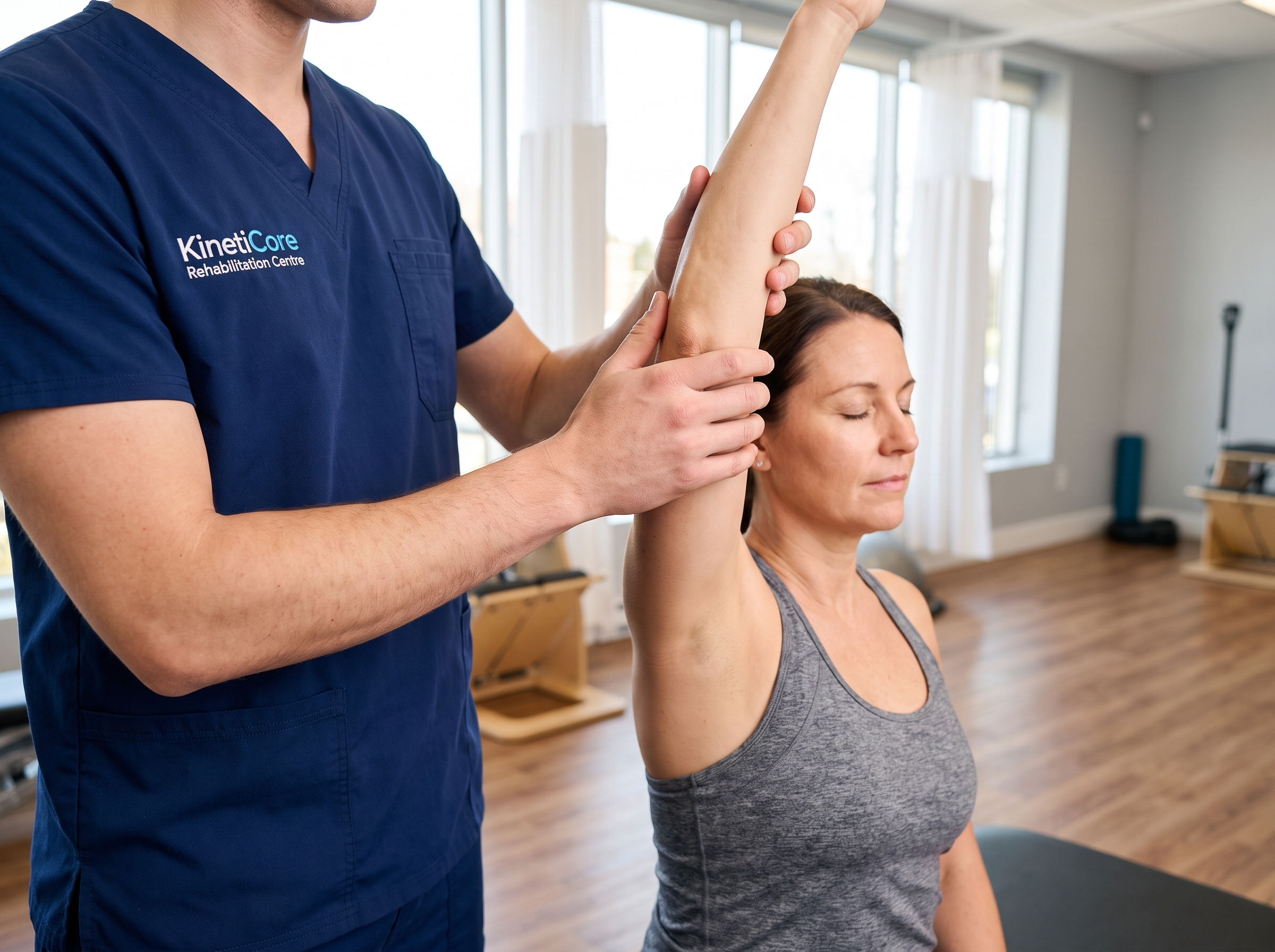
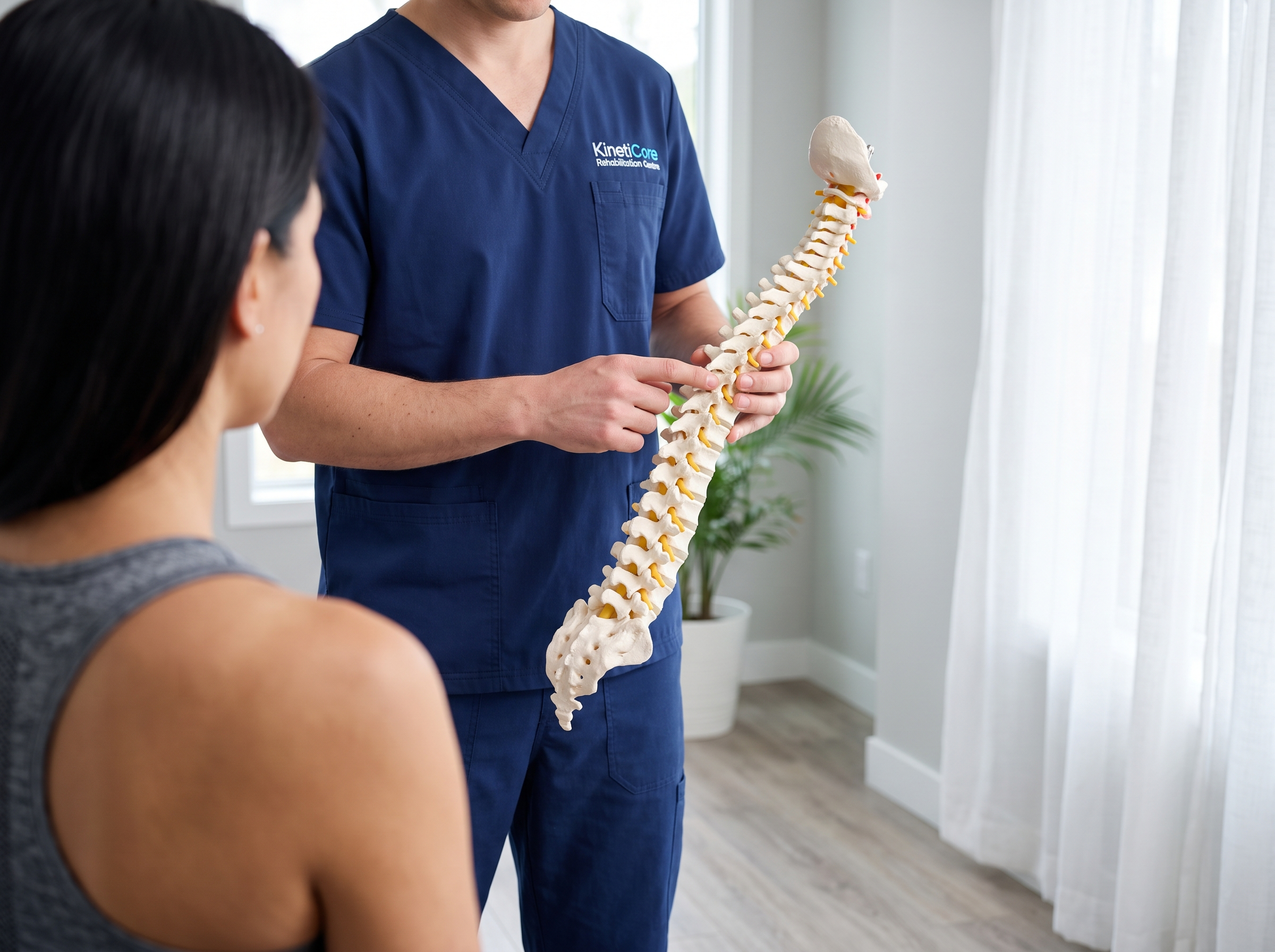
When the arch changed matters more than how low it sits, so the history is taken carefully before the tendon behind the inner ankle is tested. Flexibility is assessed. Early stages are treated differently. Referral is arranged when needed. Parking is free.
Change over time asked about
Old photographs, shoe wear and when you first noticed the difference all help establish whether this is lifelong or recent. That answer shapes everything after.
Tendon function tested directly
A single heel raise on each leg tells us more about the tendon than any static examination of arch height does. Both sides are always compared.
Early stages treated differently
A flexible arch responds well to support and strengthening, while a stiffened one needs accommodation instead, so the stage is established first.
Referral arranged when needed
Where the foot has stiffened or symptoms progress despite treatment, onward referral for a specialist opinion is organised with your records.
RESTORE. REBUILD. RECOVER.
Whether it has been a week or a decade, you do not have to keep adjusting your life around pain. Book your initial assessment at KC Rehab today and find out what real, movement based recovery actually feels like.
Our Customer Testimonials
Frequent Asked Questions
Why would an arch collapse in adulthood?
The tendon supporting the arch can gradually lose its capacity, most often in middle age and frequently on one side only.Weight and activity change contribute. Patients from Bendale often describe noticing it in old photographs first. Onset timing is asked about carefully. One side is usually worse.
What is the single heel raise test?
Rising onto the toes of one leg shows whether the tendon can still lift and lock the arch as it should.Difficulty or an arch that stays flat is significant. KinetiCore Rehabilitation Centre performs the test on both sides at the first appointment. Results are recorded for comparison.
Does a flexible flatfoot need different support?
A flexible arch can be supported and strengthened, while a stiff one is accommodated instead since forcing it causes pain.Testing separates the two. Patients from Morningside receive quite different builds for that reason. Stage is established before casting. Flexibility is retested later.
Is pain on the inner ankle related?
Pain and swelling behind the inner ankle bone is the classic early sign and often precedes any visible arch change.It deserves prompt assessment. To ask whether your symptoms fit the pattern, contact us and book an appointment. Early treatment gives better outcomes. Swelling is checked at assessment.
What is the route north from Lawrence Avenue?
Markham Road runs north from the Lawrence area, joining Highway 7 for the last stretch east toward McCowan Road.Free parking sits outside with ground floor access. Patients from Scarborough use McCowan Road on a parallel route north. Allow extra time at peak hours. Drop-off at the door is possible.
What strengthening supports the tendon?
Can the collapse continue despite a device?
Support reduces load but does not halt every case, and some feet continue to change over years.That is worth knowing at the outset. Regular review catches progression early enough for the plan to change rather than continuing unaltered. Reassessment happens at intervals. Referral follows if needed.
When does this warrant a specialist opinion?
Referral becomes appropriate when the foot stiffens, when pain persists despite proper support, or when function keeps declining.Those markers are checked at every review. Surgical options exist and are properly discussed with an orthopaedic specialist. Records are prepared for referral.