 Skip to content

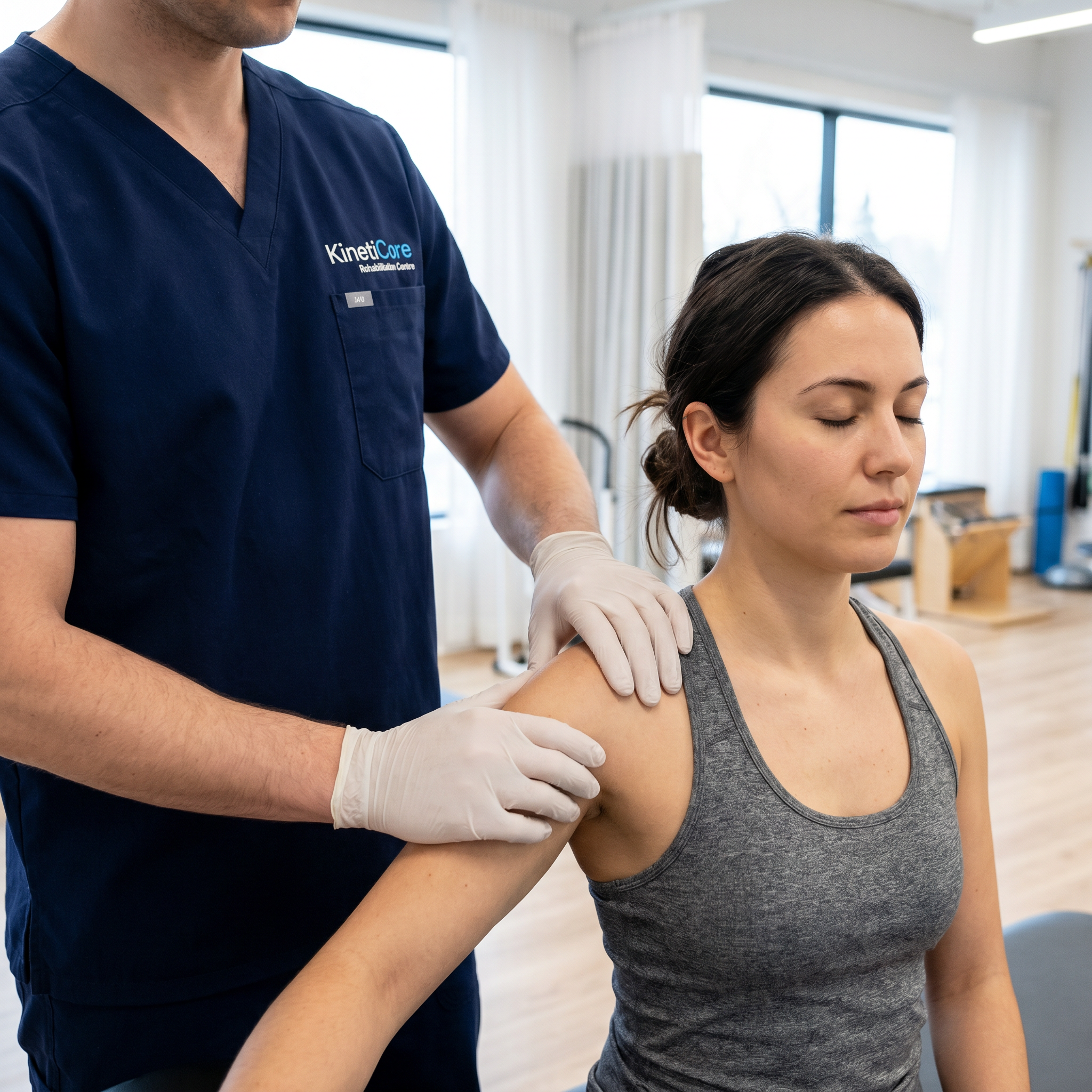
Recovery after hip replacement spans range, strength, confidence and daily function. Several regulated professions work in this building, so those strands can progress together. Surgeon instructions frame it all. Priorities are agreed with you.
Exercise Rehabilitation in Bendale After Hip Replacement
Exercise rehabilitation is offered to Bendale patients working back toward gardening and household tasks after a hip replacement. Real tasks are used as goals. Both legs are compared numerically. Ground floor access throughout.
Direct billing accepted with most major insurance providers




Google Reviews
5.0
"I've been seeing Dr. Karavanas for 4 years. He is the best Chiropractor in Markham."
Alex Z."I can't recommend Dr. Fiona Chan enough. She spends the entire appointment with you and always diagnoses the real cause of the issue."
Alain K."Dr. Fiona Chan is knowledgeable and patient with my kids, and has been a great support for their health and gymnastics performance."
William Y.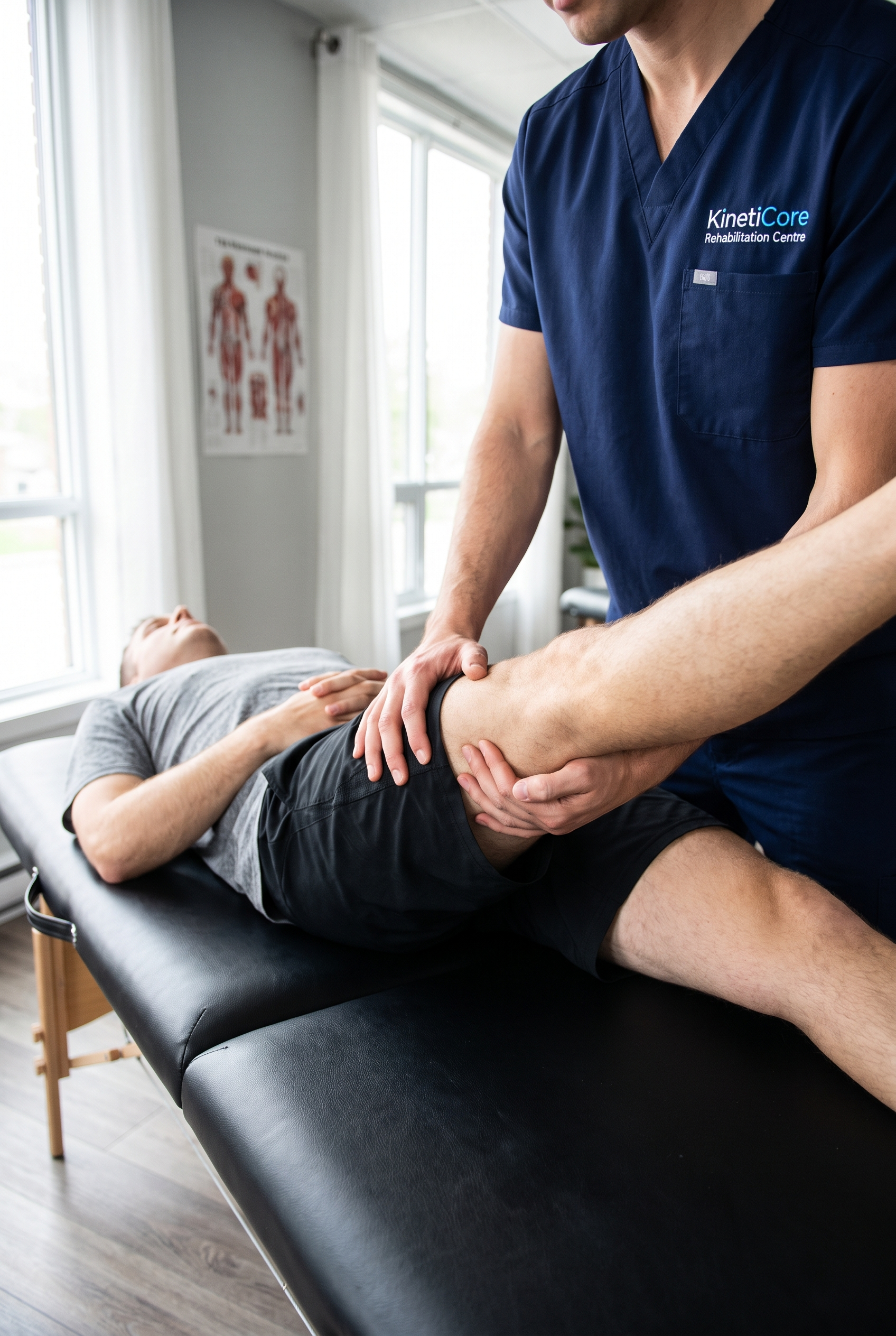
0 +
Years of Combined Experience
Who We Are
Thomson Memorial Park, Cedarbrae and the Route North on McCowan
McCowan Road runs north from the Thomson Memorial Park and Cedarbrae area toward Highway 7 and the clinic, which sits in east-central Markham.
Nobody has a hip replaced in order to complete an exercise sheet. The point is kneeling in a border, carrying shopping in from the car and getting up from a low chair without planning it first, so those tasks become the goals and the exercises are simply the route toward them. Goals are set as real tasks. Surgeon precautions frame everything. Both legs are measured and compared. Progress is judged by what returns. Stairs are trained directly. Kneeling aids are discussed.
- Multidisciplinary Team
Chiropractors, physiotherapists, and registered massage therapists collaborating under one roof, so your care is coordinated, not fragmented.
- Movement Based Approach
We assess how your body actually moves, then build a treatment plan that restores function from the foundation up. Kinetic. Core. Foundation.
“The goal is the garden, not the exercise sheet.”
Programmes that live on paper get abandoned within a month. Programmes aimed at something you truly want back tend to survive, which is why the first conversation is about what the hip is stopping you doing rather than about repetitions. Progress is measured against them.
What We Offer
Exercise Rehabilitation and Joint Replacement Care in Bendale
Chiropractic Care

Months of limping before surgery leave stiffness elsewhere, and chiropractic care can address what remains afterwards. The operated hip is respected. Techniques suit older joints. Comfort comes first.
Physiotherapy

Early range and gait work sit within physiotherapy, which usually runs ahead of the strength programme. Referral between us is straightforward. Notes are shared with consent. Plans stay coordinated.
Registered Massage Therapy

Compensating muscles stay tight after surgery, and massage therapy can ease that once healing allows it. Timing follows the surgical stage. Pressure stays within your tolerance. Both legs are treated.
Acupuncture

Persistent post-operative discomfort sometimes eases when acupuncture is added to the programme. The operative site is avoided. Reasoning is explained. Consent is taken each visit.
Class IV K-Laser Therapy
Residual soreness can be treated with Class IV laser therapy so the strength work keeps progressing. Sessions take a few minutes. Nothing invasive is involved. Walking afterwards is fine.
Custom Orthotics

Altered walking loads the other leg heavily, and custom orthotics cast on site can even that loading out. Gait is reviewed beforehand. Casting takes one appointment. Both feet are cast.
Exercise Rehabilitation

A Registered Kinesiologist with the College of Kinesiologists of Ontario builds toward the tasks you want back, and exercise rehabilitation stays within surgical limits. Progress is recorded.
Pelvic Floor Therapy
Reduced activity before and after surgery can bring bladder symptoms, and pelvic floor therapy is available privately. A pelvic-health physiotherapist delivers it. Consent guides each step.
Pediatric & Pregnancy Chiropractic
Grandparents attending with family can arrange pediatric and pregnancy chiropractic, gentle low-force care for musculoskeletal comfort. Pregnancy back ache is common. Children are treated gently.
How It Works
Your Path from Pain to Lasting Movement
Every patient at KC Rehab follows the same proven four-step process, designed to uncover the root cause of your pain or restriction and build a recovery plan that actually lasts.
Step 1
Consultation and Assessment
Your first visit begins with a detailed conversation about your history, lifestyle, and goals. We then perform a hands on movement assessment to identify the underlying mechanics behind your symptoms.
Step 2
Personalized Treatment Plan
Based on your assessment findings, we build a treatment plan tailored to your specific needs, goals, and timeline. This may combine chiropractic, physiotherapy, RMT, acupuncture, and exercise rehabilitation.
Step 3
Active Treatment & Therapy
Your plan comes to life through manual therapy, targeted exercise, and the modalities best suited to your condition. Every session is monitored and adjusted based on your progress.
Step 4
Ongoing Care & Prevention
Once you have recovered, we equip you with the exercises, ergonomic advice, and maintenance schedule you need to stay pain-free and continue moving well for years to come.
Why CHoose Us
Why Bendale Patients Rebuild for Daily Tasks
Goals are set as real tasks rather than exercises, because kneeling in a border is a target people keep working toward long after a rep count stops motivating. Surgeon precautions are followed exactly. Both legs are compared. Ground floor access throughout.
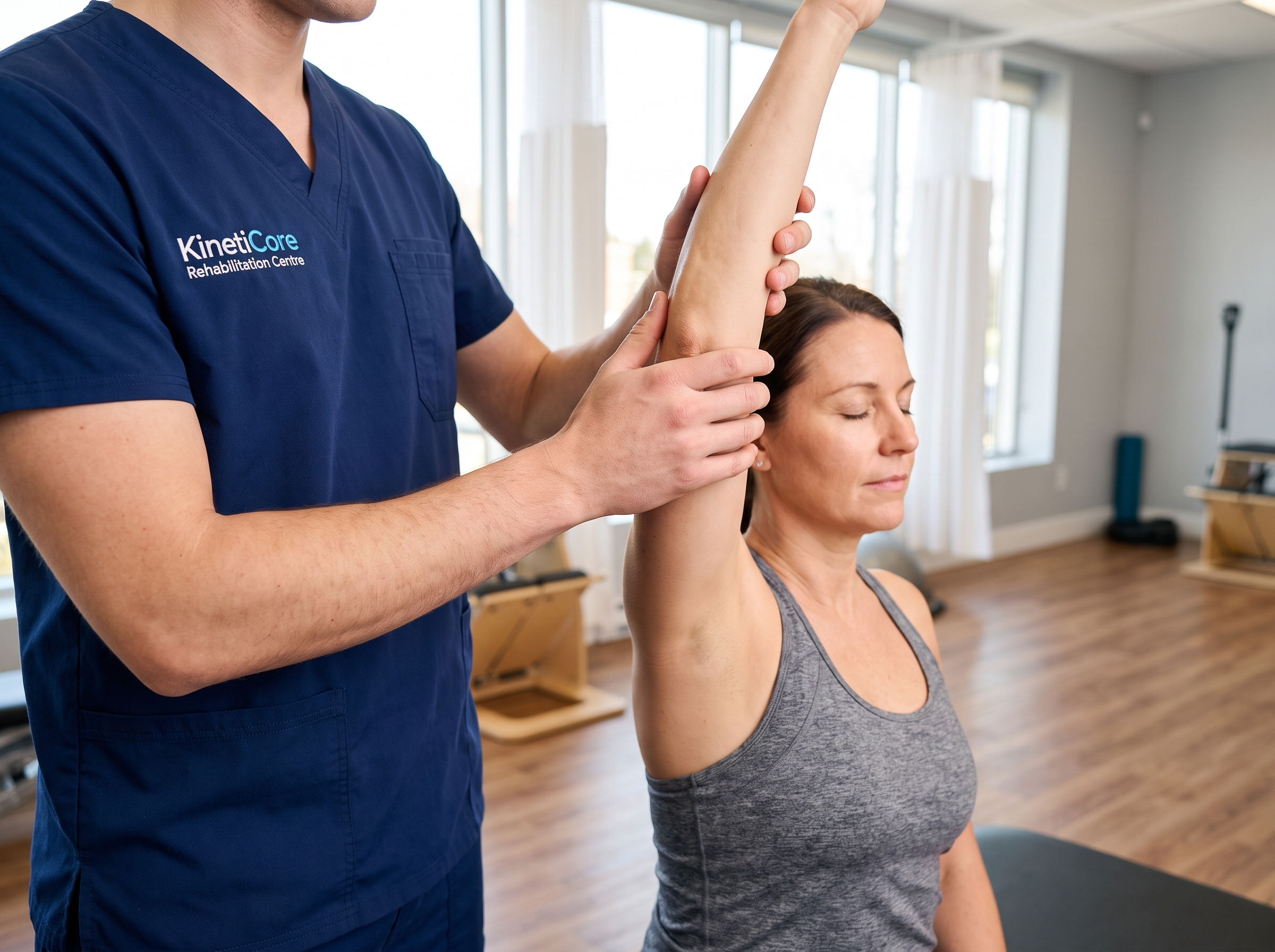
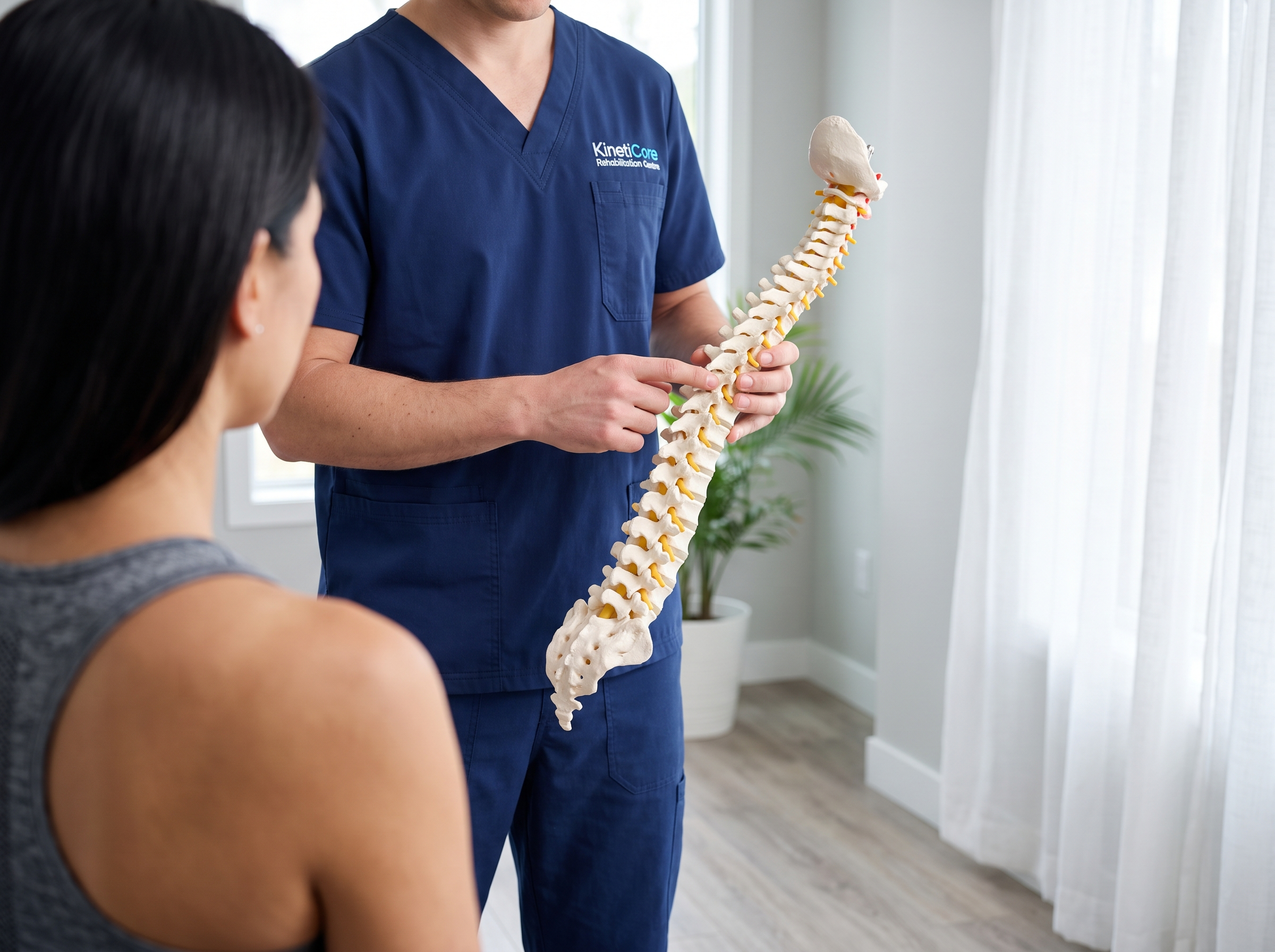
Surgeon precautions followed exactly
Whatever movement restrictions your surgeon set define the ceiling, and those are recorded at the first appointment before anything begins.
Real tasks used as goals
Kneeling, carrying and getting out of a low chair become the targets, with exercises chosen as the route toward each one. Goals are recorded in your words.
Both legs compared numerically
Strength on each side is measured, since the operated leg frequently sits well behind its pair long after walking looks normal. Numbers are shared with you.
Ground floor access
Entrance, reception and treatment rooms all sit at ground level with parking outside, so arrival involves no stairs. Walking aids are accommodated.
RESTORE. REBUILD. RECOVER.
Whether it has been a week or a decade, you do not have to keep adjusting your life around pain. Book your initial assessment at KC Rehab today and find out what real, movement based recovery actually feels like.
Our Customer Testimonials
Frequent Asked Questions
Which movements stay restricted after hip replacement?
Restrictions vary with the surgical approach, and some patients have very few while others avoid deep bending and crossing the legs.Your surgeon decides. Patients from Woburn arrive with quite different sets of instructions. Nothing is assumed here. Bring your written guidance.
What treatment comes before strength work?
Range of movement, walking pattern and swelling management usually come first, and physiotherapy leads that phase.Strength work builds from there. The two overlap rather than running strictly in sequence. Notes are shared between us. Referral is straightforward. Both plans stay coordinated.
How long until kneeling and gardening return?
Many people return to light gardening within a few months, though kneeling depends on the approach and your surgeon’s advice.Progress varies widely. KinetiCore Rehabilitation Centre builds toward it in stages rather than promising a date. Kneeling aids are worth using. Tasks are practised in sessions.
Is the operated leg permanently weaker?
Strength deficits are common for a year or more, though they respond well to deliberate training.Walking normally is not the same as being equal. Patients from Scarborough are often surprised by the size of the measured gap. Both sides are tested regularly. Training closes it steadily.
Can stairs be trained specifically?
Stairs are trained directly, since the strength and control they demand differ from level walking.Progress is tracked in flights managed. To ask what a first session covers, contact us before booking. Handrail use is reduced gradually. Flights managed are counted. Descending is trained too.
Do precautions ever lift completely?
What if the other hip is also worn?
The other side is assessed and trained too, particularly since it carried extra load through the months before surgery.Symptoms there are common. Training both sides also helps if a second replacement is eventually planned. Both hips are measured. Symptoms there are asked about too.
How is progress measured after surgery?
Strength comparison, walking distance, stair tolerance and the specific tasks you named at the start are all recorded.Those tasks matter most. Reviews happen at set points so the programme adjusts rather than continuing unchanged. Numbers are shared each time. Goals are revisited too.