 Skip to content

Cyclists bring knee complaints, back stiffness and low bone loading together. Several regulated professions work in this building, so those can be addressed within one plan. Assessment decides what applies. Season timing shapes the order.
Exercise Rehabilitation in Rouge for Cyclists
Exercise rehabilitation is provided to Rouge riders building the strength that time on the bike cannot deliver. Bone loading is built in deliberately. Single-leg strength is compared. Riding volume is counted alongside.
Direct billing accepted with most major insurance providers




Google Reviews
5.0
"I've been seeing Dr. Karavanas for 4 years. He is the best Chiropractor in Markham."
Alex Z."I can't recommend Dr. Fiona Chan enough. She spends the entire appointment with you and always diagnoses the real cause of the issue."
Alain K."Dr. Fiona Chan is knowledgeable and patient with my kids, and has been a great support for their health and gymnastics performance."
William Y.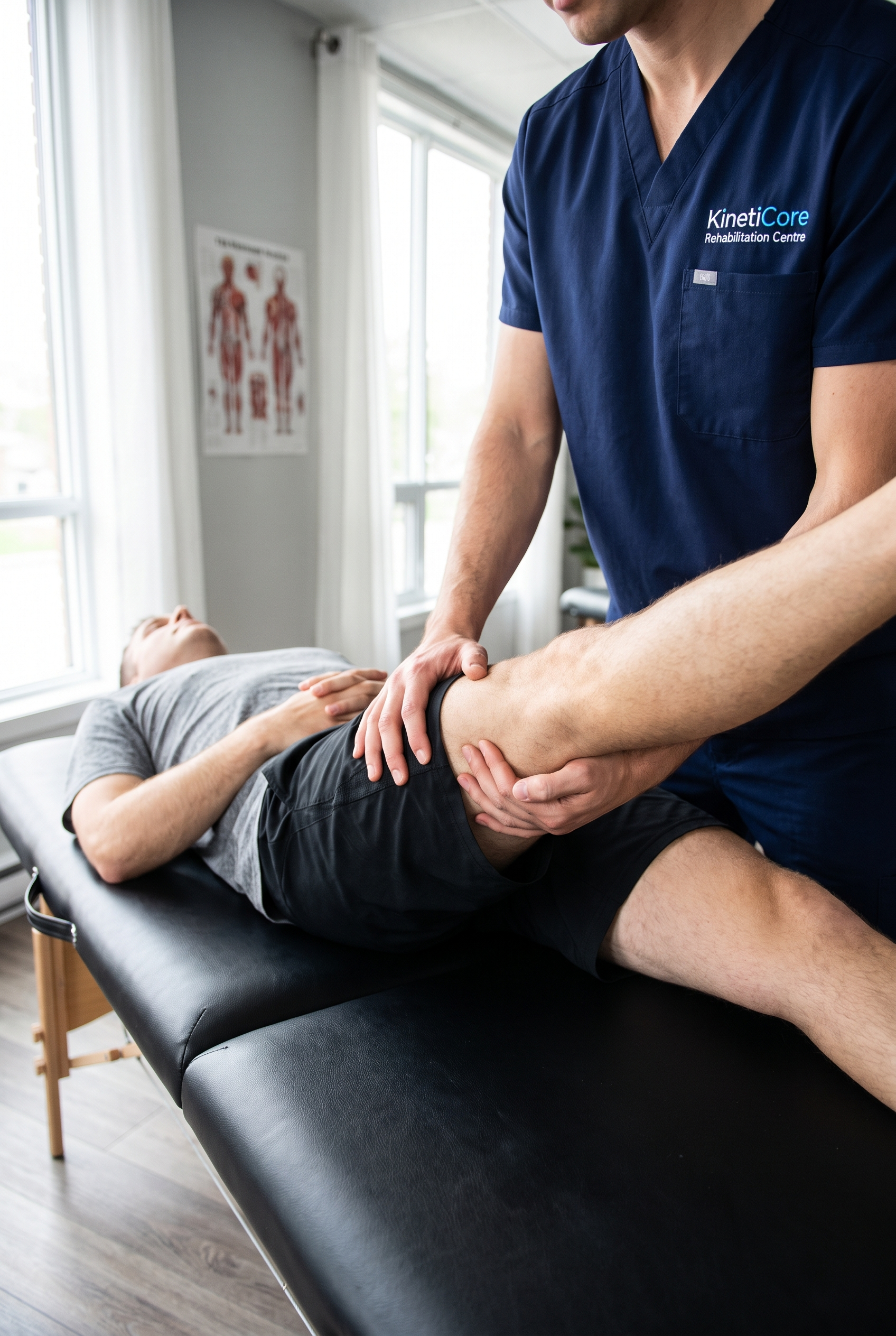
0 +
Years of Combined Experience
Who We Are
Rouge National Urban Park, Port Union and the Route North West
Riders travel north west from the Rouge Park and Port Union area, joining Highway 7 for the final stretch west to the clinic at McCowan Road.
Cycling builds an excellent engine while asking almost nothing of bone, and the seated non-impact position that makes it kind on joints is exactly what leaves the skeleton unloaded. Off-bike strength work fills that gap, addresses the single-leg deficits riding hides, and generally makes the riding itself more durable. Bone loading is deliberate rather than incidental. Single-leg strength is compared. Riding volume counts toward the week. Blocks are planned around the season.
- Multidisciplinary Team
Chiropractors, physiotherapists, and registered massage therapists collaborating under one roof, so your care is coordinated, not fragmented.
- Movement Based Approach
We assess how your body actually moves, then build a treatment plan that restores function from the foundation up. Kinetic. Core. Foundation.
“Cycling builds an engine and neglects the frame.”
Riders often have remarkable aerobic fitness alongside surprisingly modest strength and bone loading. That combination looks fine until something goes wrong, and it is straightforward to address with a couple of sessions a week away from the bike. The gap closes faster than expected.
What We Offer
Exercise Rehabilitation and Cycling Care for Rouge Patients
Chiropractic Care

Sustained riding position stiffens the mid-back and hips, and chiropractic care can address that restriction. Both sides are assessed. Findings are explained plainly. Hips are checked.
Physiotherapy

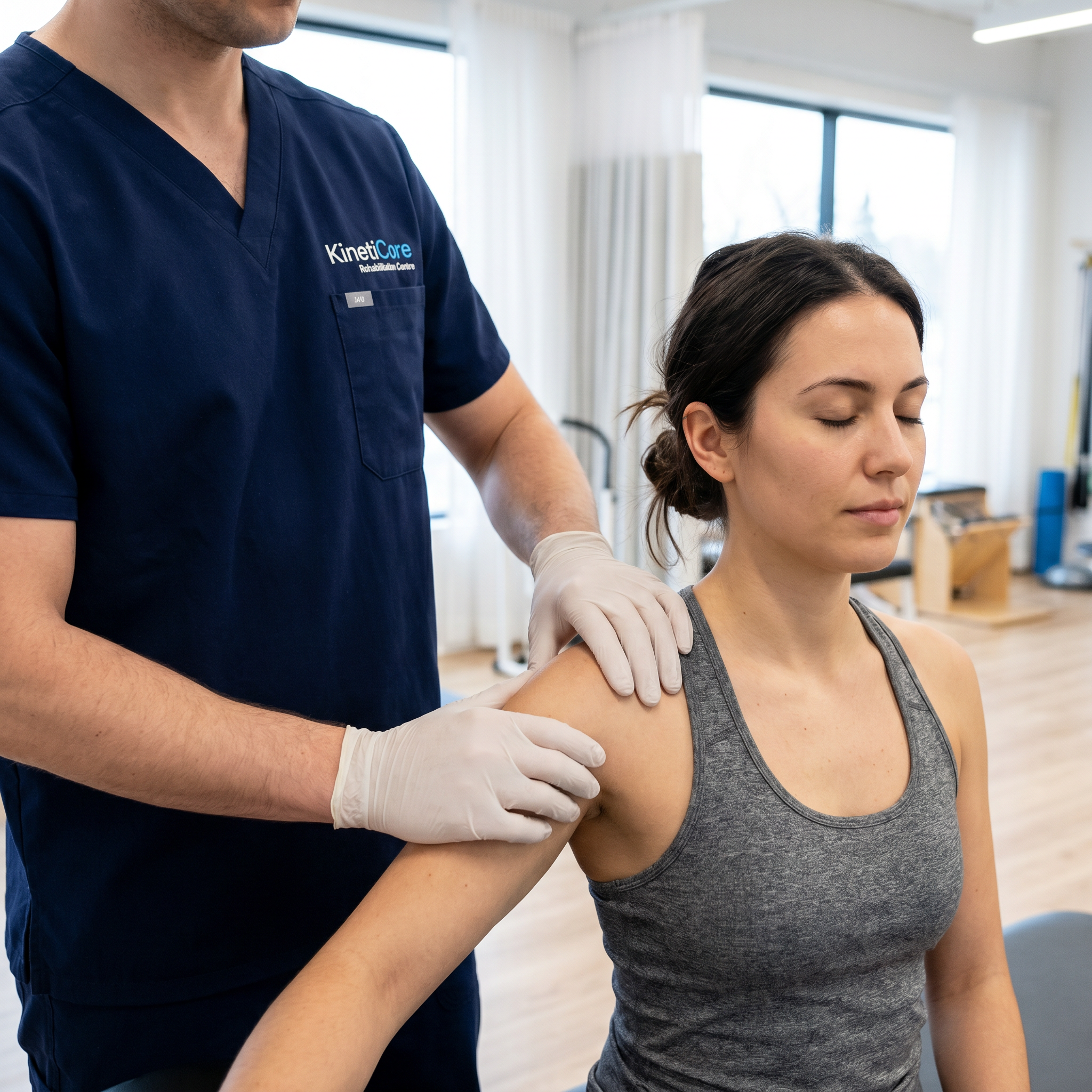
Where knee or back pain limits training, physiotherapy provides assessment and hands-on treatment. Notes are shared with consent. Both plans stay coordinated. Referral between us is simple.
Registered Massage Therapy

Hip flexors and quadriceps stay tight through a riding season, and massage therapy can ease that tightness between rides. Timing suits recovery days. Pressure matches your tolerance.
Acupuncture

Persistent knee or back pain limiting training sometimes eases when acupuncture is added alongside. Points follow the assessment. Reasoning is explained. Consent is taken each visit.
Class IV K-Laser Therapy
A localised knee complaint can be treated with Class IV laser therapy while strength work continues. Sessions run a few minutes. Nothing invasive is involved. Riding the same day is fine.
Custom Orthotics

Foot position on the pedal affects knee tracking, and custom orthotics cast on site can steady that position. Cycling shoes are fitted at casting. Cleat position is also discussed.
Exercise Rehabilitation
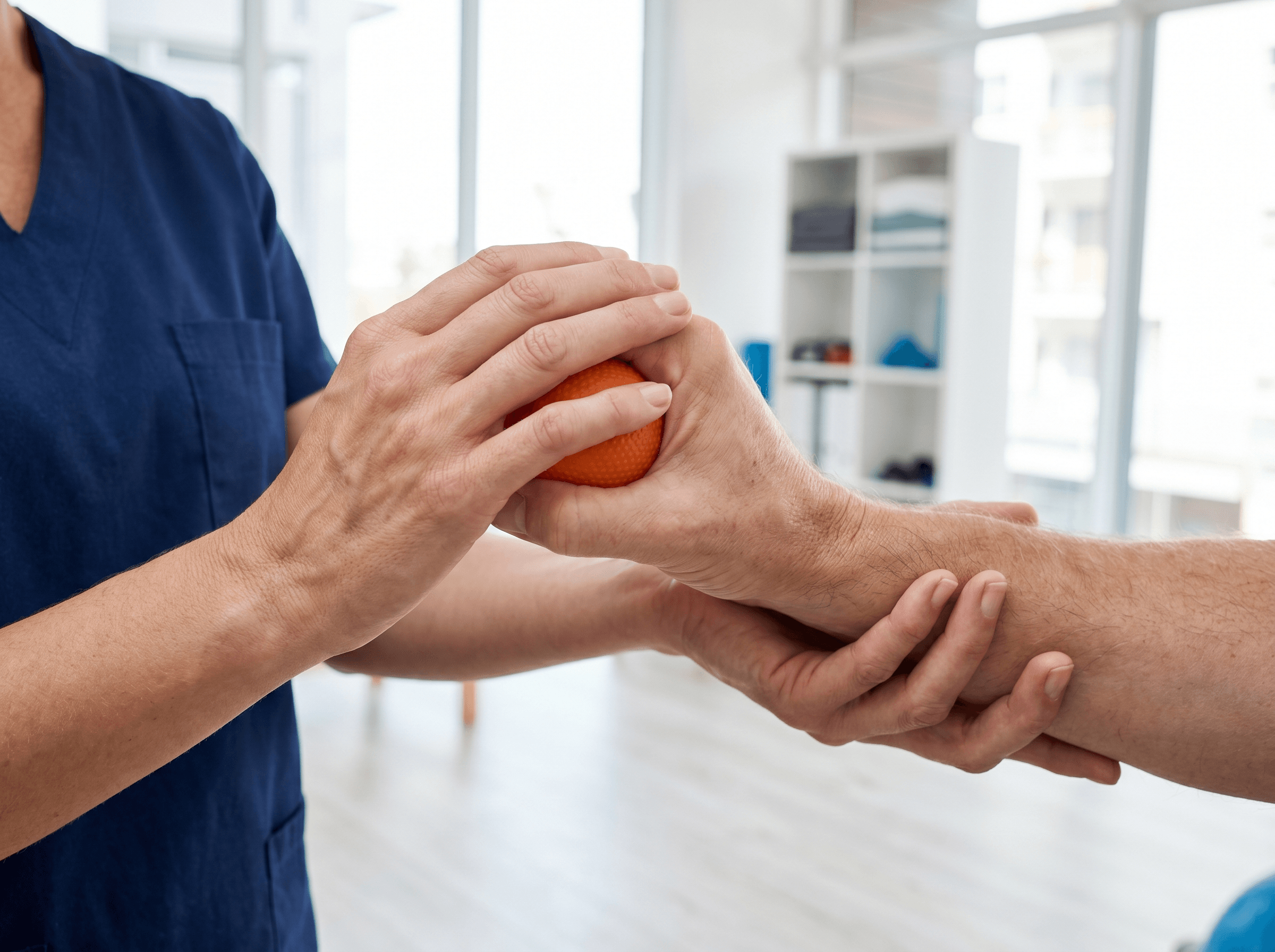
Programmed by a Registered Kinesiologist under the College of Kinesiologists of Ontario, exercise rehabilitation adds the loading riding leaves out. Single-leg strength is compared.
Pelvic Floor Therapy
Long hours in the saddle can bring pelvic symptoms, and pelvic floor therapy is delivered by a pelvic-health physiotherapist. A private treatment room is used. Assessment stays discreet.
Pediatric & Pregnancy Chiropractic
Riding families sometimes add pediatric and pregnancy chiropractic alongside, gentle low-force care for musculoskeletal comfort. Pregnancy back ache is common. Children are treated gently.
How It Works
Your Path from Pain to Lasting Movement
Every patient at KC Rehab follows the same proven four-step process, designed to uncover the root cause of your pain or restriction and build a recovery plan that actually lasts.
Step 1
Consultation and Assessment
Your first visit begins with a detailed conversation about your history, lifestyle, and goals. We then perform a hands on movement assessment to identify the underlying mechanics behind your symptoms.
Step 2
Personalized Treatment Plan
Based on your assessment findings, we build a treatment plan tailored to your specific needs, goals, and timeline. This may combine chiropractic, physiotherapy, RMT, acupuncture, and exercise rehabilitation.
Step 3
Active Treatment & Therapy
Your plan comes to life through manual therapy, targeted exercise, and the modalities best suited to your condition. Every session is monitored and adjusted based on your progress.
Step 4
Ongoing Care & Prevention
Once you have recovered, we equip you with the exercises, ergonomic advice, and maintenance schedule you need to stay pain-free and continue moving well for years to come.
Why CHoose Us
Why Rouge Riders Train Off the Bike
Programmes target what riding leaves out, so bone loading and single-leg strength lead rather than more aerobic work that a bike already supplies. Riding volume counts toward the week. Both legs are compared. Blocks fit the racing calendar. Parking is free.
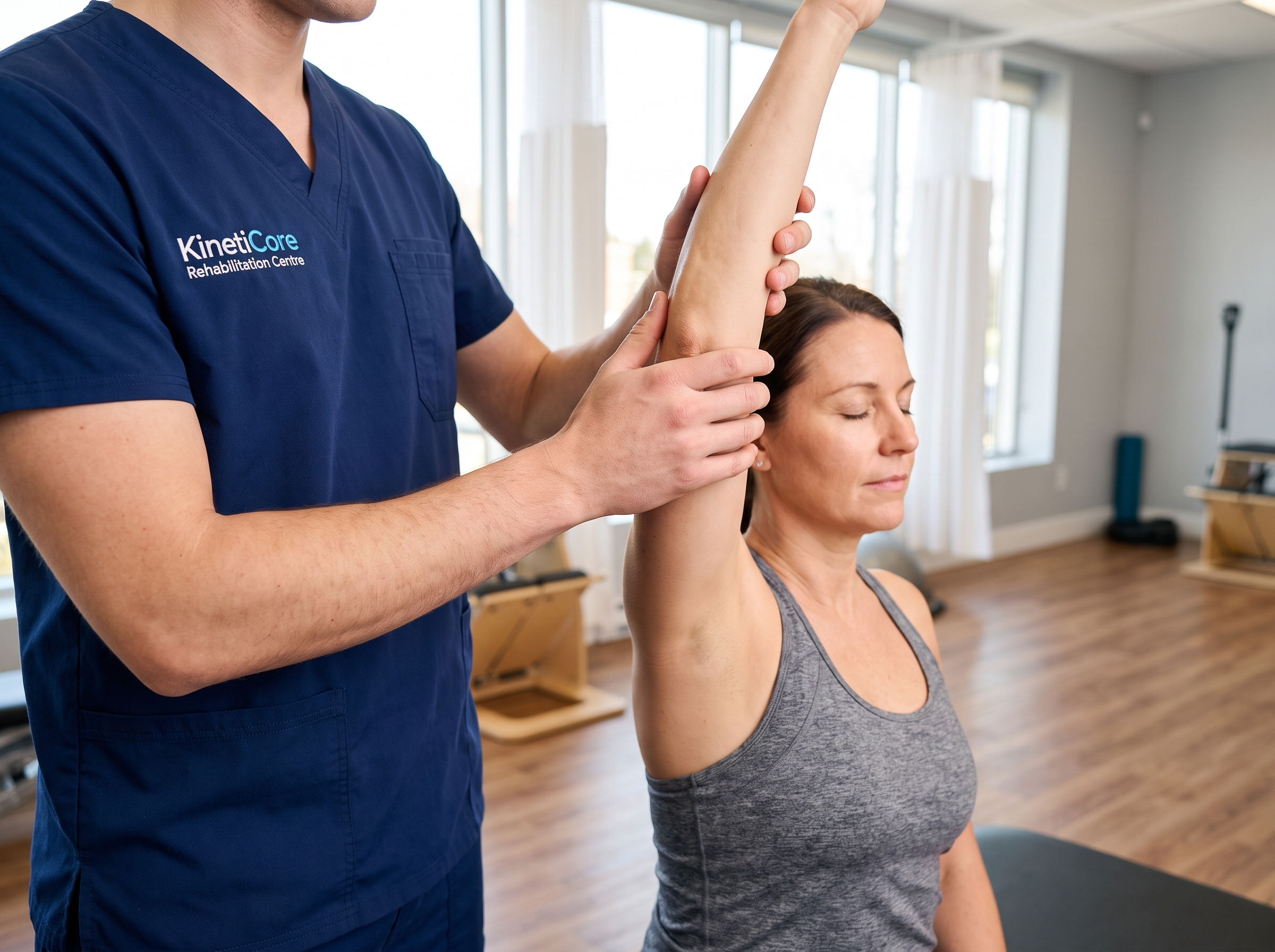
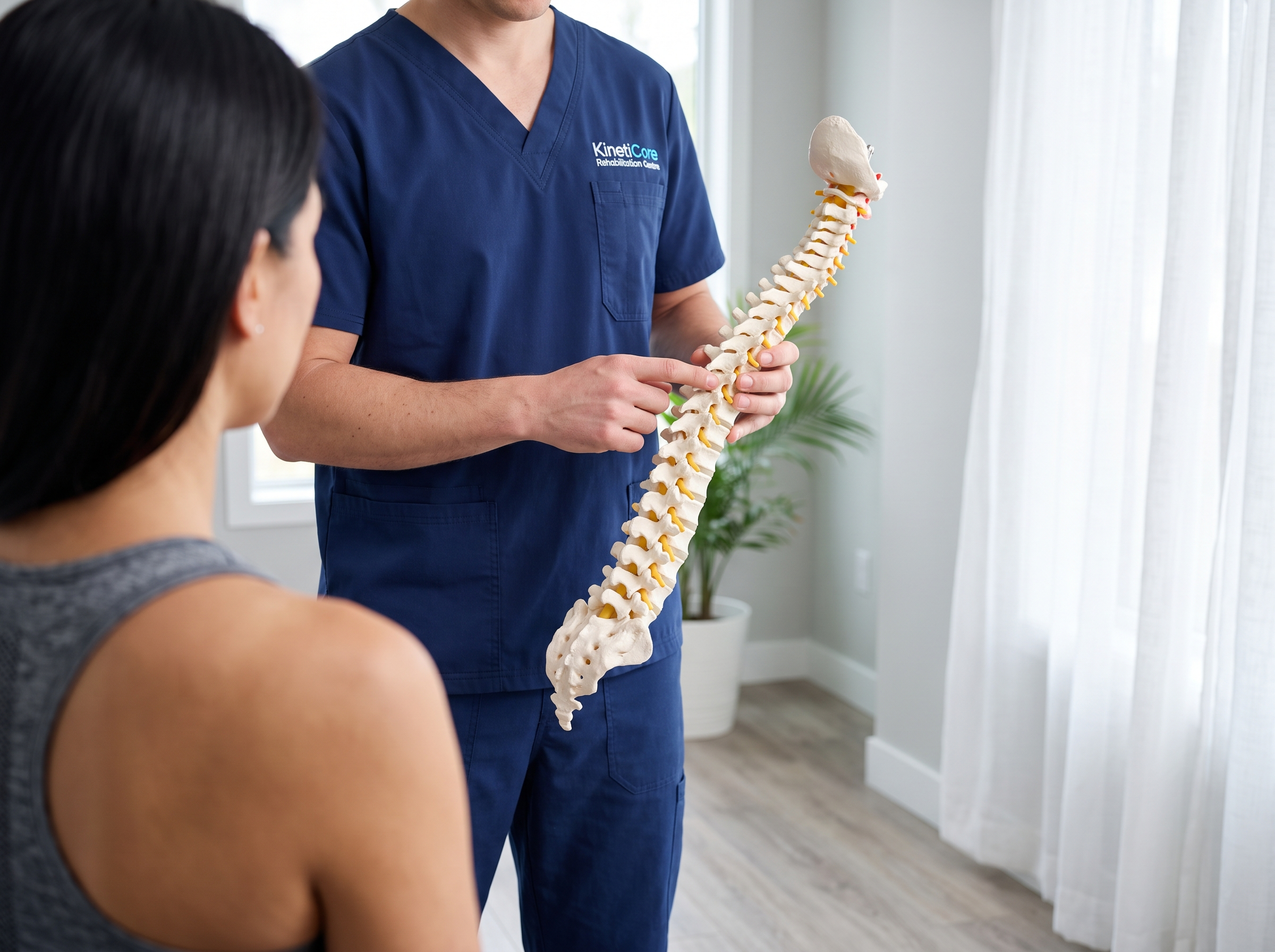
Bone loading built in deliberately
Cycling provides very little skeletal loading, so resistance work is included specifically rather than as an optional extra. The reasoning is explained.
Single-leg strength compared
Riding masks side differences because both legs turn together, so each is tested separately to expose what the bike hides. Numbers are shared with you.
Riding volume counted alongside
Weekly hours on the bike are recorded, since a heavy training week leaves little room for demanding gym work as well. Rest days are protected.
Off-season blocks planned
Building happens through winter with maintenance across the riding season, which avoids strength work competing with racing. Event dates are recorded early.
RESTORE. REBUILD. RECOVER.
Whether it has been a week or a decade, you do not have to keep adjusting your life around pain. Book your initial assessment at KC Rehab today and find out what real, movement based recovery actually feels like.
Our Customer Testimonials
Frequent Asked Questions
Why do cyclists need off-bike training?
Riding builds aerobic capacity while doing little for bone density or single-leg strength.Those gaps matter over years. Patients from Morningside who cycle heavily show the same pattern on testing. Two sessions weekly closes much of that gap. Both are measured at your assessment.
Does cycling load bone at all?
Cycling provides minimal skeletal loading because it is seated and non-impact, which is also what makes it joint-friendly.Resistance work supplies what it cannot. KinetiCore Rehabilitation Centre includes that deliberately rather than as an afterthought. Bone health is worth discussing.
Will lifting make climbing harder?
Sensible strength work adds little mass and generally improves power output rather than hindering it.Fears about weight gain are usually overstated. Patients from Bendale generally find climbing improves rather than suffers. Programmes avoid unnecessary bulk. Power output is measured.
When in the season should strength work happen?
Building suits the off-season with a lighter maintenance phase carrying through the riding months.Heavy lifting mid-season competes with training. To plan a block around your calendar, contact us before booking. Event dates shape the schedule. Maintenance carries the season. Nothing competes with racing.
What is the route north west from Port Union?
The drive runs north west from the Rouge Park and Port Union area, joining Highway 7 for the last stretch toward McCowan Road.Free parking sits outside. Patients from Woburn approach along the same highway. Ground floor access, no stairs. Allow extra time at peak periods. Drop-off is possible.
How much strength work fits a training week?
Does single-leg strength differ between riders?
Side differences are common and largely invisible on a bike, since both legs turn the cranks together.Testing each separately exposes the gap. Addressing it often improves comfort and power output as well as reducing injury risk. Both legs are retested regularly. Deficits close with training.
Should knee pain be assessed before lifting?
Ongoing knee pain warrants assessment first, since loading around an undiagnosed problem tends to stall progress.Bike fit may also be contributing. Both are considered rather than assuming the gym is where the answer lies. Referral is arranged where needed. Fit referral is available.