 Skip to content

Ward work produces back, shoulder and foot complaints alongside disrupted sleep. Several professions work in this building. More than one fits into a single visit. Assessment decides the priorities. Bookings work around rota blocks.
Exercise Rehabilitation in Woburn for Patient Handling Capacity
Exercise rehabilitation is offered to Woburn healthcare staff building the capacity that patient handling demands. Handling tasks are tested directly. Rota patterns are accommodated. Night shift recovery is accounted for.
Direct billing accepted with most major insurance providers




Google Reviews
5.0
"I've been seeing Dr. Karavanas for 4 years. He is the best Chiropractor in Markham."
Alex Z."I can't recommend Dr. Fiona Chan enough. She spends the entire appointment with you and always diagnoses the real cause of the issue."
Alain K."Dr. Fiona Chan is knowledgeable and patient with my kids, and has been a great support for their health and gymnastics performance."
William Y.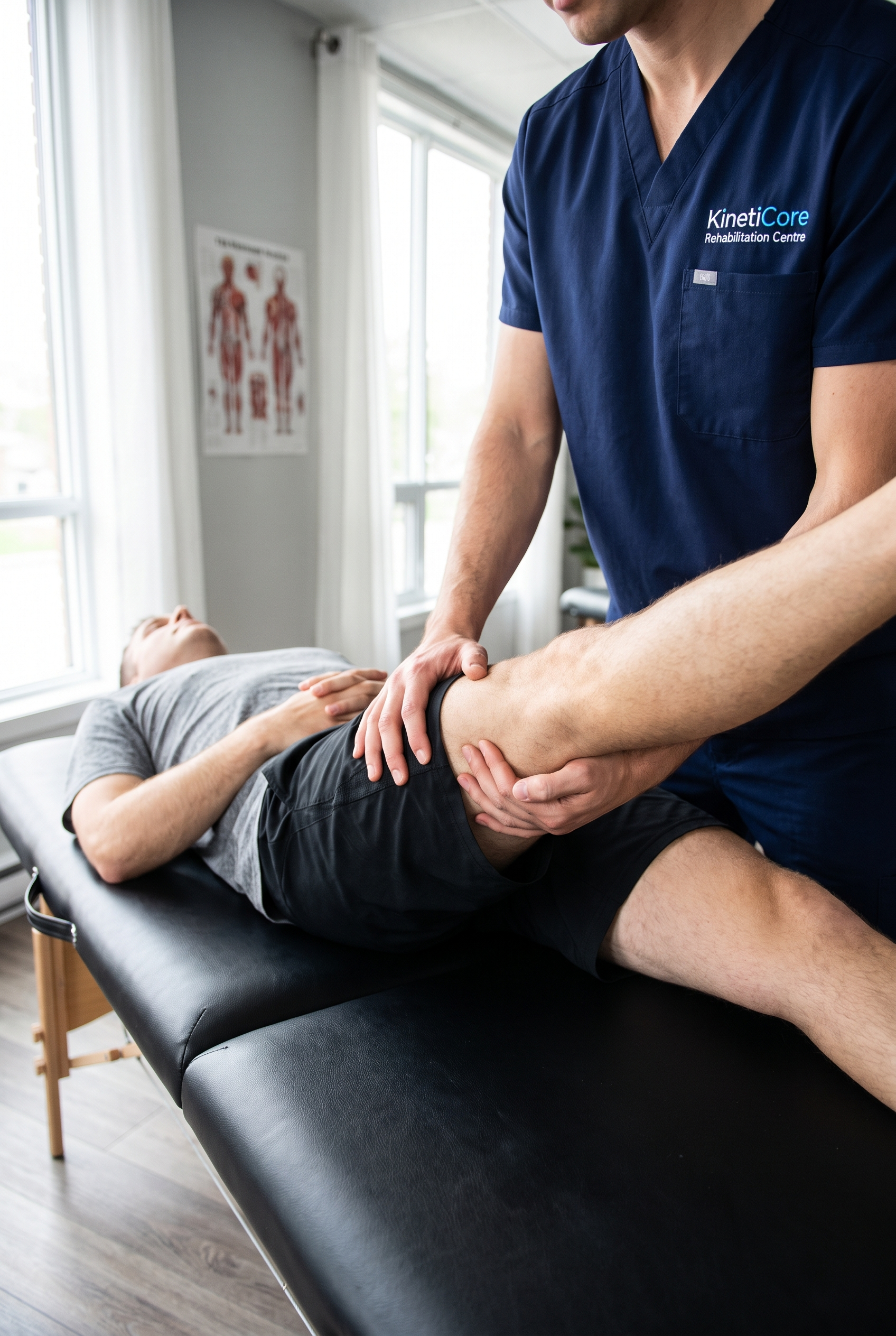
0 +
Years of Combined Experience

Who We Are
Scarborough General Hospital, Markham at Lawrence and the Route North
Woburn staff travel north on Markham Road from the Lawrence Avenue area, then east along Highway 7 to reach the clinic sited at McCowan Road.
Hoists and slide sheets reduce the load a great deal and never remove it entirely, because wards run short of equipment, space and time. Capacity remains the safety net underneath all of that, and building hip hinge strength, trunk endurance and grip changes what an unavoidable manual transfer costs you. Handling tasks are replicated and measured. Rota blocks shape the schedule. Night shift recovery is factored in. Equipment availability is discussed. Grip strength is included.
- Multidisciplinary Team
Chiropractors, physiotherapists, and registered massage therapists collaborating under one roof, so your care is coordinated, not fragmented.
- Movement Based Approach
We assess how your body actually moves, then build a treatment plan that restores function from the foundation up. Kinetic. Core. Foundation.
“Equipment helps. Capacity is still the safety net.”
Every handling policy assumes the right equipment is available and someone is free to help. Wards do not always deliver either, which is why the strength you carry into a shift still matters as much as the training says it should not. Realistic constraints are acknowledged.
What We Offer
Exercise Rehabilitation and Shift Recovery Care for Woburn Staff
Chiropractic Care

Repeated bending and transferring stiffens the low back, and chiropractic care can address that restriction between rota blocks. Both sides are assessed. Techniques suit an irritable back.
Physiotherapy

An existing back injury needs assessment before loading, and physiotherapy provides that alongside the programme. Referral between us is straightforward. Notes are shared with consent.
Registered Massage Therapy

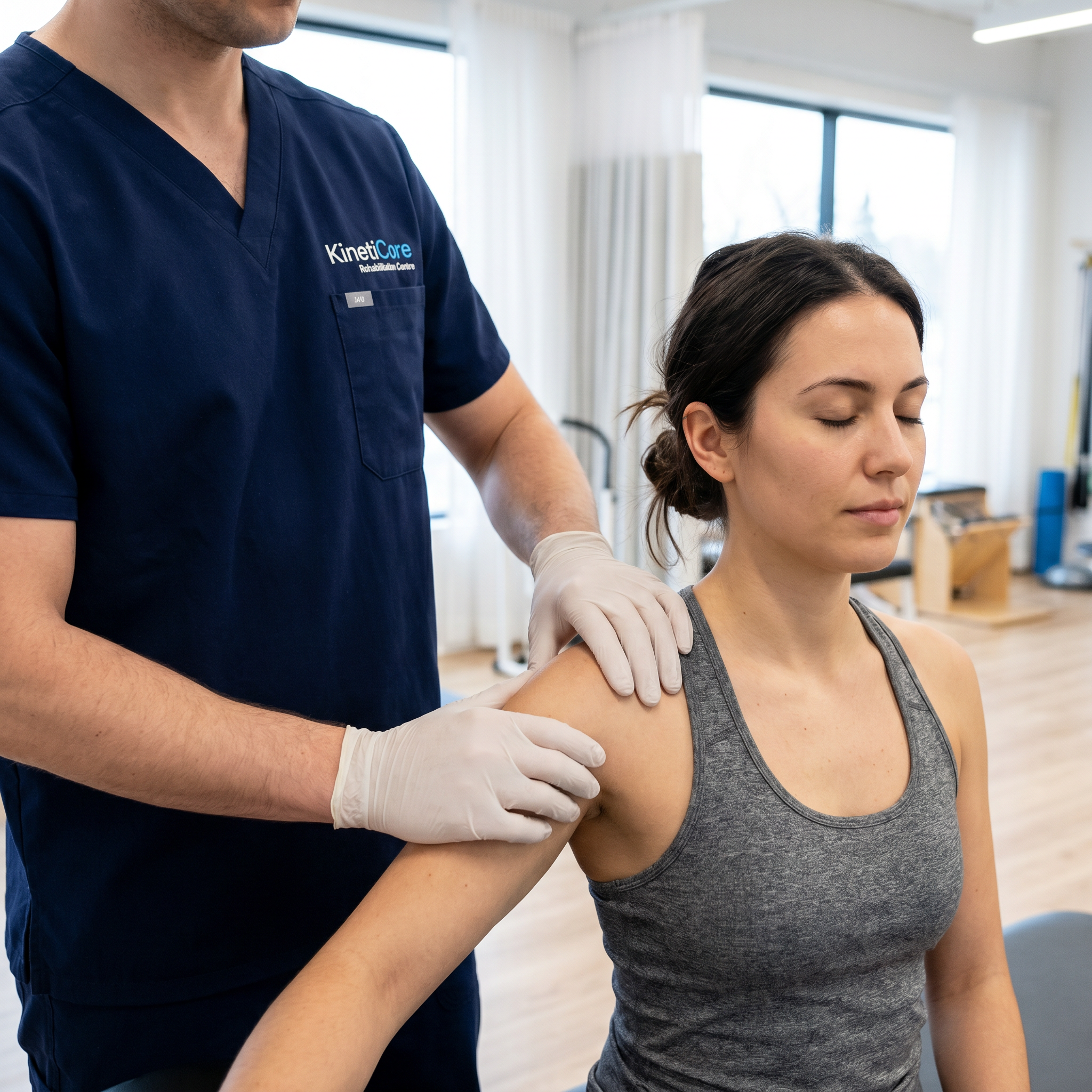
Backs and shoulders stay guarded through a rota block, and massage therapy can ease that on a rest day. Timing suits the first day off. Pressure matches your tolerance. Shoulders are included.
Acupuncture

Persistent back pain across consecutive shifts sometimes eases when acupuncture is added alongside. Points follow the assessment. Reasoning is explained. Consent is taken each visit.
Class IV K-Laser Therapy
Localised back pain can be treated with Class IV laser therapy between shifts without any downtime. Sessions run a few minutes. Nothing invasive is involved. Work continues the same day.
Custom Orthotics

Hard ward flooring across twelve hours punishes the feet, and custom orthotics cast on site can ease that load. Hospital footwear is fitted at casting. Gait is reviewed first. Casting takes one visit.
Exercise Rehabilitation
A Registered Kinesiologist with the College of Kinesiologists of Ontario builds the hinge strength transfers demand. Trunk endurance is trained too. Handling tasks are tested. Progress is recorded.
Pelvic Floor Therapy
Repeated handling raises abdominal pressure, and pelvic floor therapy is delivered by a pelvic-health therapist. A private treatment room is used. Assessment stays discreet. Consent guides each step.
Pediatric & Pregnancy Chiropractic

Pregnant staff still working shifts often ask about pediatric and pregnancy chiropractic, gentle low-force care for comfort. Children are seen just as gently. Everything stays measured.
How It Works
Your Path from Pain to Lasting Movement
Every patient at KC Rehab follows the same proven four-step process, designed to uncover the root cause of your pain or restriction and build a recovery plan that actually lasts.
Step 1
Consultation and Assessment
Your first visit begins with a detailed conversation about your history, lifestyle, and goals. We then perform a hands on movement assessment to identify the underlying mechanics behind your symptoms.
Step 2
Personalized Treatment Plan
Based on your assessment findings, we build a treatment plan tailored to your specific needs, goals, and timeline. This may combine chiropractic, physiotherapy, RMT, acupuncture, and exercise rehabilitation.
Step 3
Active Treatment & Therapy
Your plan comes to life through manual therapy, targeted exercise, and the modalities best suited to your condition. Every session is monitored and adjusted based on your progress.
Step 4
Ongoing Care & Prevention
Once you have recovered, we equip you with the exercises, ergonomic advice, and maintenance schedule you need to stay pain-free and continue moving well for years to come.
Why CHoose Us
Why Woburn Hospital Staff Train Here
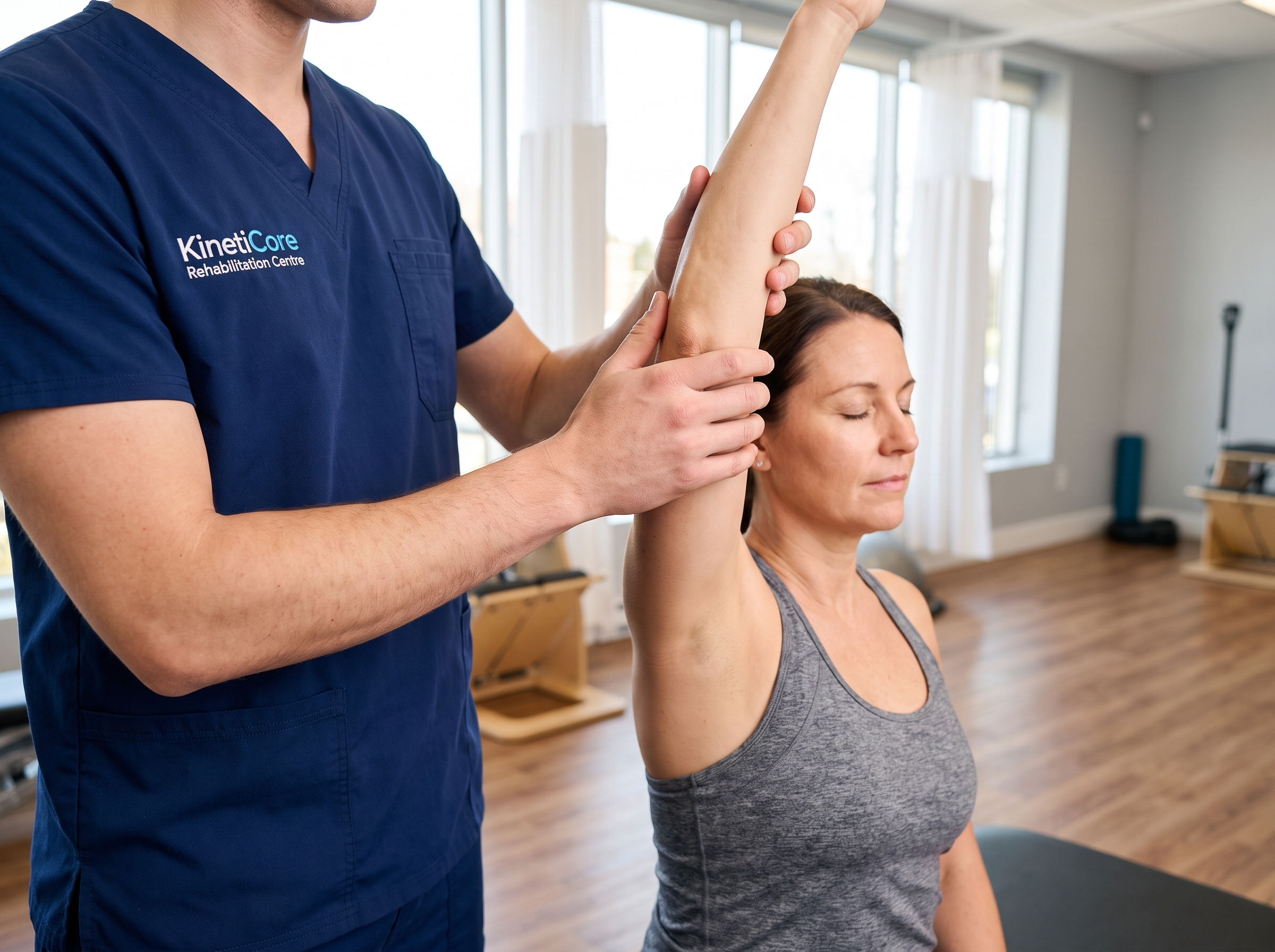
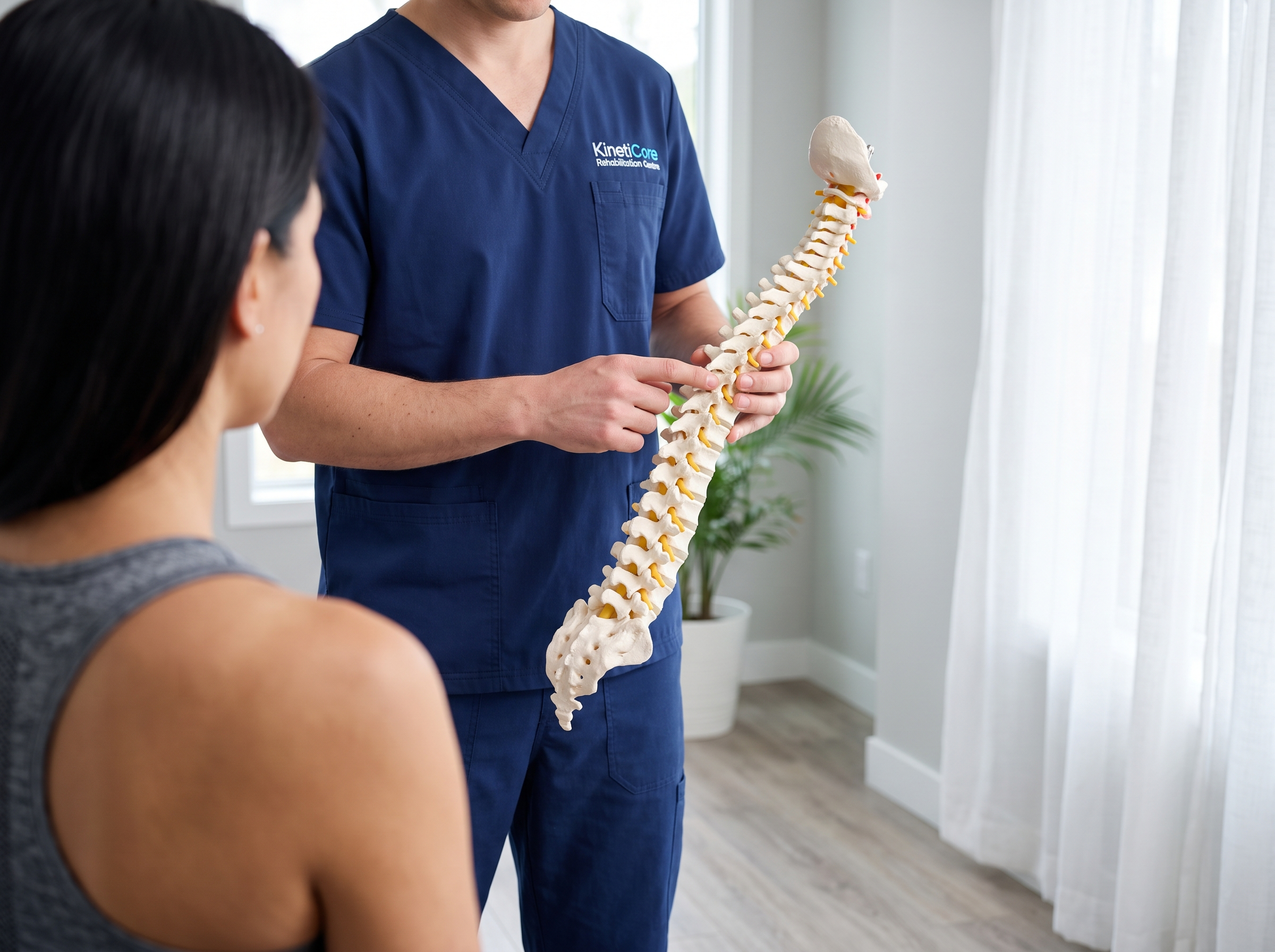
Programmes are built around the transfers a ward truly requires, so exercise rehabilitation here starts from your handling tasks rather than a template. Rota patterns are accommodated. Night shift recovery is factored in. Sessions fit between shifts.
Handling tasks tested directly
Bed transfers, repositioning and assisted walking are replicated and measured, so training matches what the job asks for. Equipment availability is recorded.
Rota patterns accommodated
Sessions are arranged around a rolling shift pattern rather than a fixed weekly slot, which is what makes attendance possible. Rebooking is straightforward.
Night shift recovery accounted for
Disrupted sleep slows adaptation, so training after nights is lighter by design rather than by accident. Sleep is asked about at reviews.
Short sessions between shifts
Programmes fit into twenty or thirty minute blocks, which is what survives a working week of twelve hour days. Home work fills the gaps.
RESTORE. REBUILD. RECOVER.
Whether it has been a week or a decade, you do not have to keep adjusting your life around pain. Book your initial assessment at KC Rehab today and find out what real, movement based recovery actually feels like.
Our Customer Testimonials
Frequent Asked Questions
What strength does patient handling demand?
Hip hinge strength, trunk endurance and grip together carry most of the load in transfers and repositioning.Generic core work transfers poorly. Patients from Bendale are trained on the specific patterns instead. Tasks are replicated at assessment. Progress is measured against them.
Can training happen between consecutive shifts?
Short sessions between shifts work well, though lighter loading suits the middle of a block.Most staff prefer their first rest day. KinetiCore Rehabilitation Centre schedules around the rota rather than expecting a fixed weekly slot. Rebooking is easy when rotas change. Load eases mid-block.
Does night shift change the programme?
Disrupted sleep raises perceived effort and slows recovery, so load is reduced during and after night blocks.That is planned rather than improvised. Patients from Morningside on rotating rotas use exactly the same approach. Sleep patterns are recorded. Recovery is given proper room.
Should a back injury be assessed first?
An existing injury needs assessment before loading begins, since training around an undiagnosed problem tends to stall.physiotherapy handles that, and the programme starts once the picture is clear. Both can run alongside each other. Referral between us is simple. Notes are shared with consent.
How much does equipment reduce the load?
Hoists and slide sheets reduce spinal load substantially when available and used.Availability and time pressure are the practical limits. To discuss how your ward operates in reality, contact us before booking. Constraints are taken seriously. Time pressure is acknowledged. Capacity remains the backstop.
Which exercises transfer to a transfer?
How long before lifting feels easier?
Most staff notice transfers feeling more manageable within six to eight weeks of twice-weekly work.Strength markers move before the feeling does. Both are recorded so the change is documented rather than left to impression. Reviews happen at set points. Numbers are shared with you.
Is a workplace injury funded differently?
Injuries arising at work may be funded through a workplace insurer rather than an extended-health plan.Requirements differ between the two routes. Your situation is checked at assessment so the correct process is followed from the start. Documentation is prepared accordingly. Routes differ in requirements.