 Skip to content

Postpartum recovery spans the back, pelvic floor, wrists and general strength, and several regulated professions work in this building. More than one can be seen in a visit. Assessment decides the priorities. Nothing is rushed at any stage.
Postpartum Chiropractic in Jefferson for Carrying and Feeding
Postpartum chiropractic is available in Jefferson for back and pelvic discomfort from carrying and feeding an infant. Carrying and feeding positions are reviewed. Techniques stay gentle and low-force. Care is CCO registered.
Direct billing accepted with most major insurance providers




Google Reviews
5.0
"I've been seeing Dr. Karavanas for 4 years. He is the best Chiropractor in Markham."
Alex Z."I can't recommend Dr. Fiona Chan enough. She spends the entire appointment with you and always diagnoses the real cause of the issue."
Alain K."Dr. Fiona Chan is knowledgeable and patient with my kids, and has been a great support for their health and gymnastics performance."
William Y.
0 +
Years of Combined Experience

Who We Are
Jefferson Forest, Yonge Street and the Route South East
From the Jefferson Forest and Yonge Street area, patients travel south east toward Highway 7 and then east through Markham to reach the clinic.
The load does not stop at birth, it simply changes shape. Carrying a growing infant on one hip, feeding in a hunched position and lifting from a cot dozens of times a day all fall on a body still recovering, and the back and pelvis take most of it during those first months. Carrying habits are watched and adjusted. Feeding setups are reviewed with you. Cot and pram lifting is discussed. Babies stay in the room throughout. Sessions fit short windows. Nothing is rushed at all.
- Multidisciplinary Team
Chiropractors, physiotherapists, and registered massage therapists collaborating under one roof, so your care is coordinated, not fragmented.
- Movement Based Approach
We assess how your body actually moves, then build a treatment plan that restores function from the foundation up. Kinetic. Core. Foundation.
“The load does not end at birth, it changes shape.”
People expect discomfort to resolve once the pregnancy does, and are surprised when the back complains more at four months than it did at eight. The repetitions of infant care are considerable, and they land on a body still recovering. Recovery takes longer than expected.
What We Offer
Postpartum Care and Related Services for Jefferson Patients
Chiropractic Care

Partners carrying an infant develop the same complaints, and general chiropractic treatment is available to them here. Appointments run consecutively. Practitioners are registered.
Physiotherapy

Postpartum recovery is also assessed within physiotherapy, which runs alongside this care here. Notes are shared with consent. Referral is simple. Both plans stay properly coordinated.
Registered Massage Therapy

Neck and upper back tension from feeding builds quickly, and massage therapy can ease that tension between visits. Babies can stay in the room. Pressure matches your comfort. Cushions are used.
Acupuncture

Persistent aches after birth sometimes ease when acupuncture is added, with feeding safety discussed first. Points follow the assessment. Reasoning is explained. Consent is taken each visit.
Class IV K-Laser Therapy
Localised joint pain can be treated with Class IV laser therapy after birth, which adds no medication at all. Feeding is unaffected by it. Sessions take a few minutes. You can hold your baby.
Custom Orthotics

Feet often change shape during pregnancy, and custom orthotics cast on site can ease long walks with a pram. Both feet are remeasured. Casting takes one appointment. Footwear is fitted.
Exercise Rehabilitation
Rebuilding strength postpartum benefits from structure, and exercise rehabilitation with a Registered Kinesiologist provides it. Sessions fit short windows. Progress is recorded each visit.
Pelvic Floor Therapy
Postpartum recovery frequently involves the pelvic floor, and pelvic floor therapy is delivered by a pelvic-health physiotherapist. A private treatment room is used. Consent guides every step.
Pediatric & Pregnancy Chiropractic
Delivered under the College of Chiropractors of Ontario, pediatric and pregnancy chiropractic targets musculoskeletal comfort. Techniques stay gentle and low-force. Scope is explained at the outset.
How It Works
Your Path from Pain to Lasting Movement
Every patient at KC Rehab follows the same proven four-step process, designed to uncover the root cause of your pain or restriction and build a recovery plan that actually lasts.
Step 1
Consultation and Assessment
Your first visit begins with a detailed conversation about your history, lifestyle, and goals. We then perform a hands on movement assessment to identify the underlying mechanics behind your symptoms.
Step 2
Personalized Treatment Plan
Based on your assessment findings, we build a treatment plan tailored to your specific needs, goals, and timeline. This may combine chiropractic, physiotherapy, RMT, acupuncture, and exercise rehabilitation.
Step 3
Active Treatment & Therapy
Your plan comes to life through manual therapy, targeted exercise, and the modalities best suited to your condition. Every session is monitored and adjusted based on your progress.
Step 4
Ongoing Care & Prevention
Once you have recovered, we equip you with the exercises, ergonomic advice, and maintenance schedule you need to stay pain-free and continue moving well for years to come.
Why CHoose Us
Why Jefferson Parents Bring Postpartum Aches Here
Carrying and feeding technique is watched and adjusted, because those repetitions cause more of the discomfort than anything else in the early months. Babies are welcome here. Sessions fit short windows. Techniques stay gentle. Free parking sits outside.
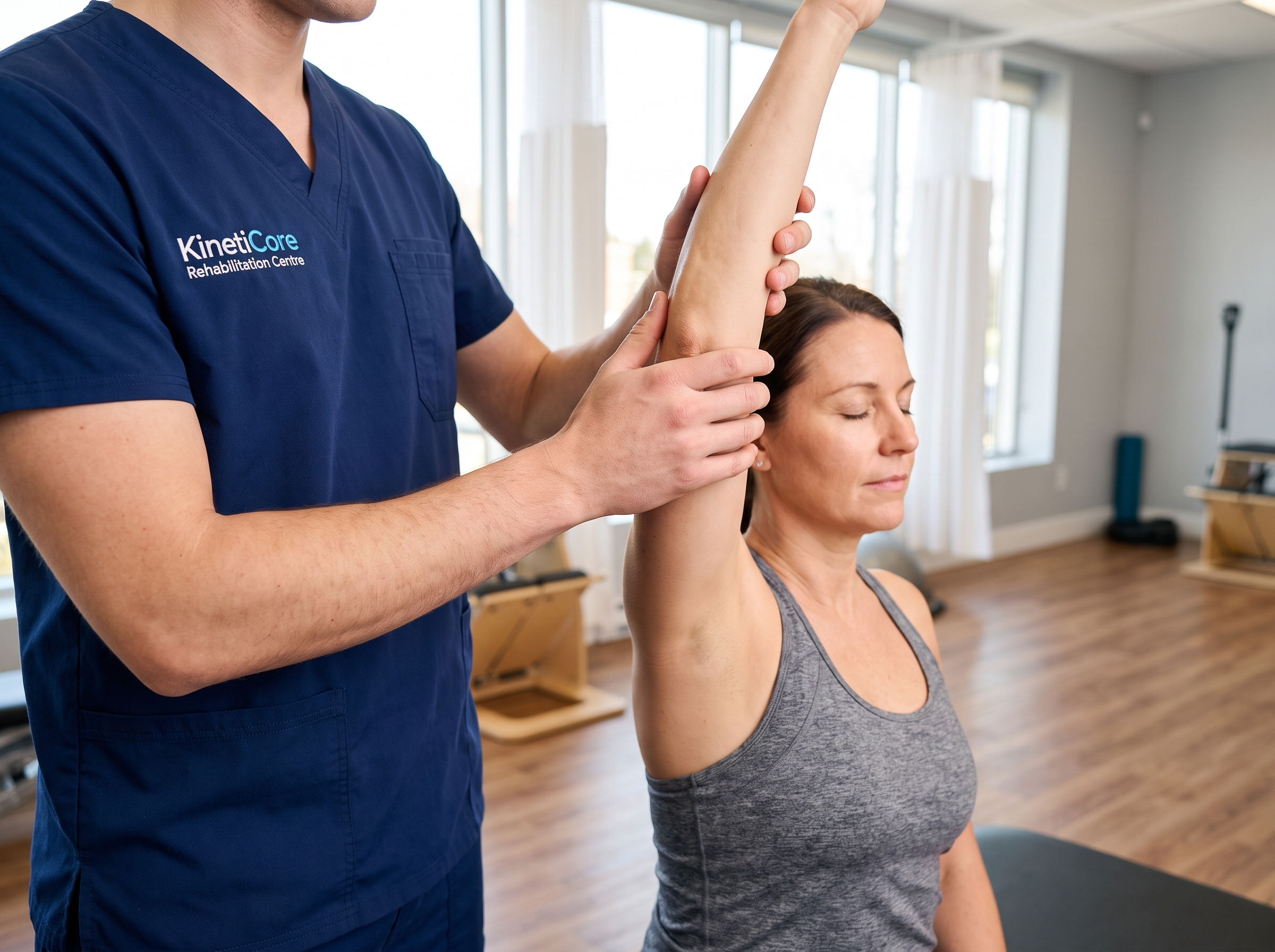
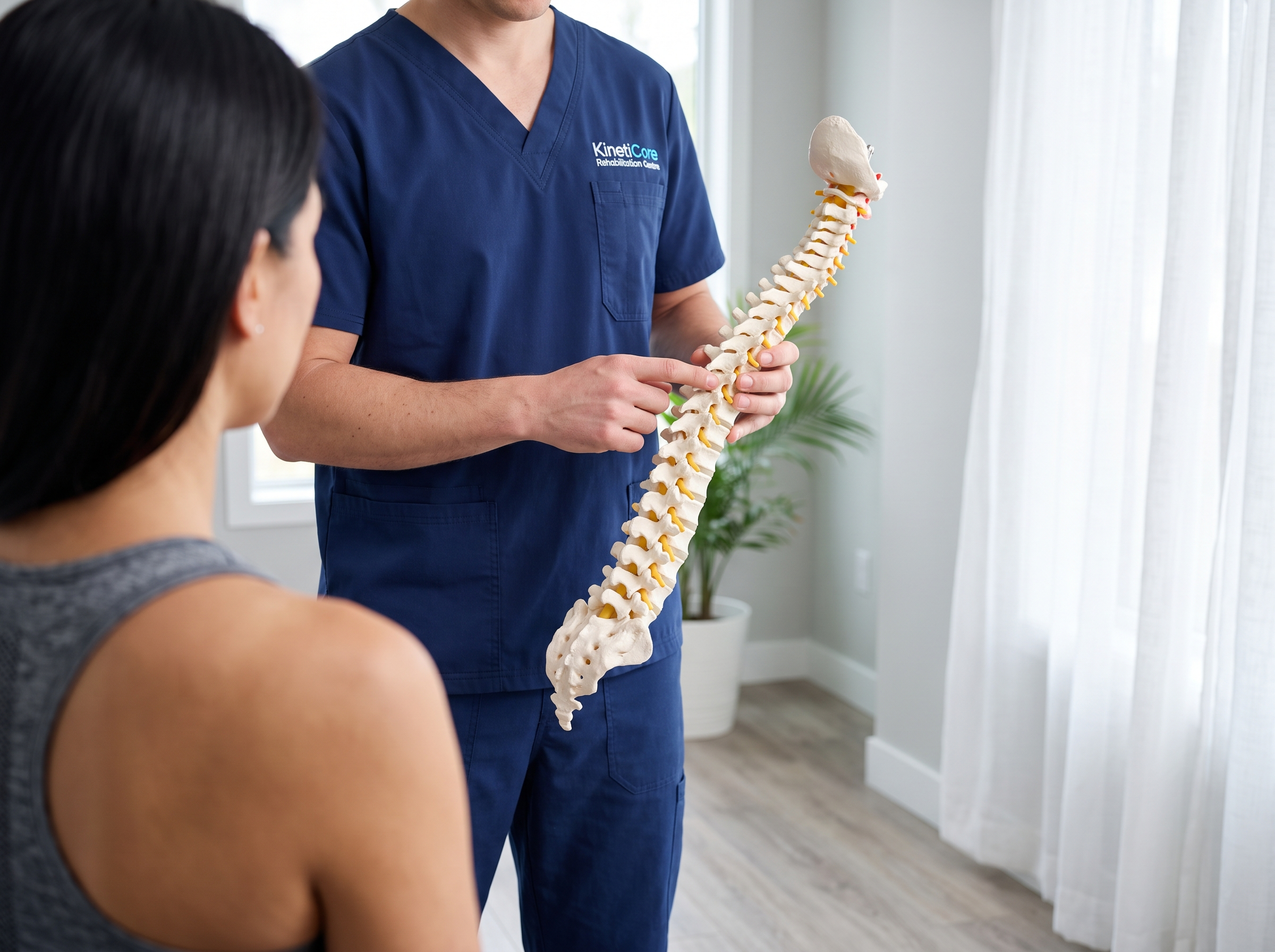
Carrying positions reviewed
Hip carrying, front carriers and lifting from a cot are all watched and adjusted, since technique changes reduce the daily load most.
Feeding setups reviewed
Pillow height, chair support and how far you lean forward all affect neck and upper back comfort across many hours a day. Small changes add up quickly.
Babies welcome in the room
Prams fit in the treatment rooms and appointments pause for a feed, so childcare never needs arranging beforehand. Ground floor access throughout.
Gentle low-force techniques
Methods are adapted for a body still recovering from birth, with positioning and pressure chosen for comfort throughout. Everything is explained first.
RESTORE. REBUILD. RECOVER.
Whether it has been a week or a decade, you do not have to keep adjusting your life around pain. Book your initial assessment at KC Rehab today and find out what real, movement based recovery actually feels like.
Our Customer Testimonials
Frequent Asked Questions
How soon after birth can care begin?
Gentle care can generally start within the early weeks, with timing guided by your own recovery and any medical advice given.A caesarean changes the timeline. Patients from Oak Ridges often begin somewhere around the six week mark. Nothing starts before you are ready. Comfort guides the pace.
What else helps postpartum back discomfort?
Technique changes, gentle strengthening and manual care together achieve more than any one of them alone.General chiropractic care is available to a partner at the same visit. KinetiCore Rehabilitation Centre decides what belongs in your plan at assessment. Appointments can run consecutively.
Which carrying positions load the back least?
A supportive two-shoulder carrier distributes load far better than repeatedly carrying an infant on one hip.Alternating sides helps where a carrier is not practical. Patients from Richmond Hill generally find the hip carry the main culprit. Carriers are checked for fit. Alternating sides helps too.
Does feeding posture matter?
Leaning forward for long periods loads the neck and upper back considerably across the hours a day feeding takes.Bringing the baby up to you rather than down to them helps. Pillow height and chair support are both reviewed here at your visit. Positions are demonstrated in the room.
Is a baby carrier better than a hip carry?
A well-fitted carrier spreads load across both shoulders and the hips rather than concentrating it on one side.Fit matters considerably. To have a carrier checked at your appointment, contact us and bring it along. Adjustment is often all that is needed. Both shoulders share the load.
Can the baby come to appointments?
Does caesarean recovery change anything?
Timing is generally slower and techniques near the abdomen are adapted, with your physician’s guidance setting the limits.Scar healing is respected throughout. Anything outside musculoskeletal comfort goes back to your medical team. Bring any written guidance. Timing is agreed with you.
How long do these aches usually last?
Most settle over the first six months as strength returns and carrying technique improves.Some persist longer, particularly where lifting demands stay high. Persistent discomfort warrants assessment rather than being accepted as simply normal. Progress is reviewed at intervals.