 Skip to content

Hypermobility affects pelvic, hip and back stability together, and several regulated professions work here. More than one can be seen in a visit. Assessment decides what applies. Longer appointments can be booked. Nothing is added without reason.
Pelvic Floor Therapy in Aurora for Hypermobile Patients
Pelvic floor therapy is offered to Aurora patients whose hypermobility affects pelvic support and comfort. Control matters more than stretching. Fatigue patterns are tracked closely. Internal assessment stays optional.
Direct billing accepted with most major insurance providers




Google Reviews
5.0
"I've been seeing Dr. Karavanas for 4 years. He is the best Chiropractor in Markham."
Alex Z."I can't recommend Dr. Fiona Chan enough. She spends the entire appointment with you and always diagnoses the real cause of the issue."
Alain K."Dr. Fiona Chan is knowledgeable and patient with my kids, and has been a great support for their health and gymnastics performance."
William Y.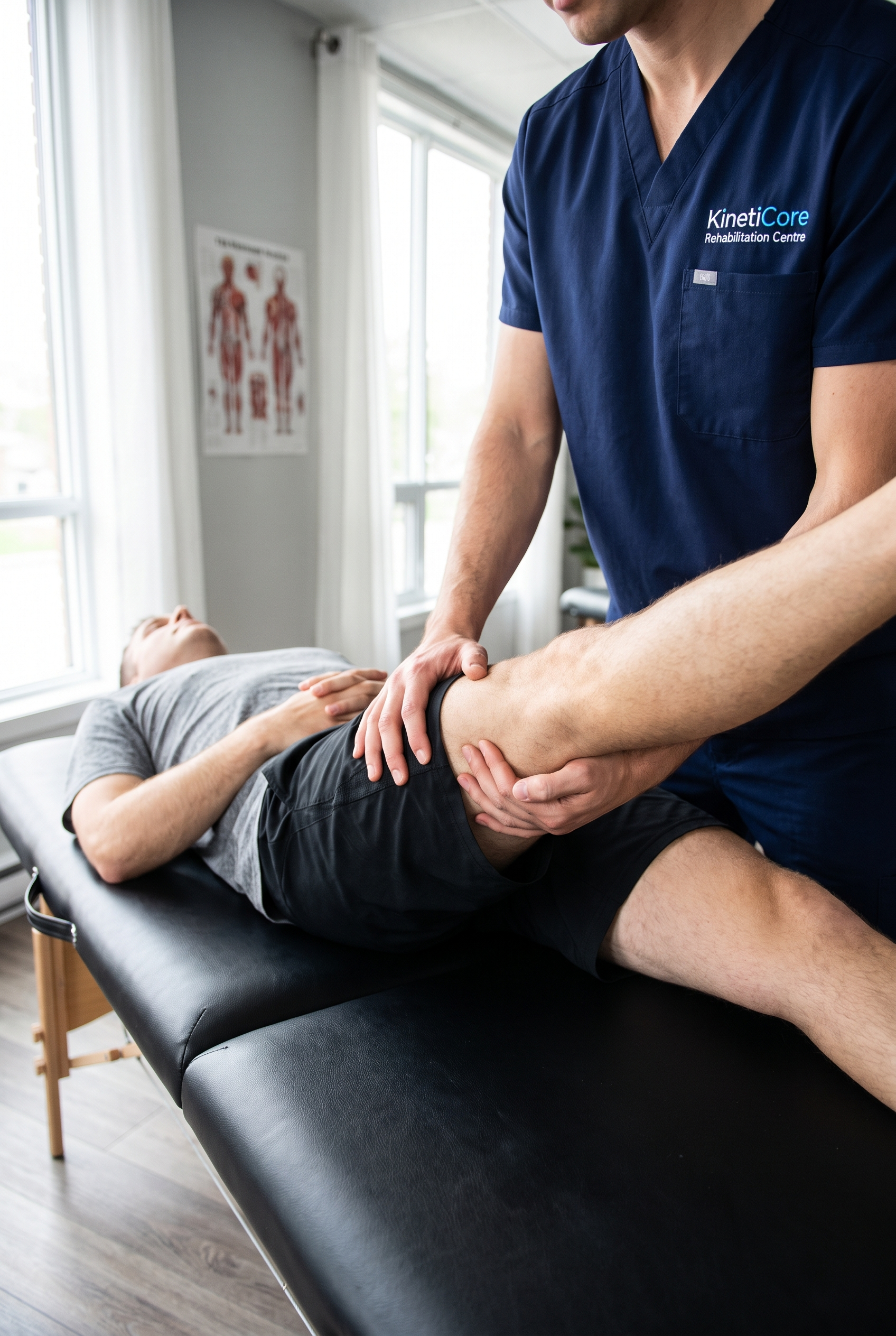
0 +
Years of Combined Experience

Who We Are
Aurora GO Station, Yonge at Wellington and the Route South
Aurora patients take Highway 404 south from the GO Station and Wellington area, then travel east along Highway 7 to the clinic at McCowan Road.
Hypermobility affects the pelvis as it does every other joint, and pelvic floor symptoms turn up more often in this group than most people realise. Muscles carry more of the stability work, which means they fatigue faster and behave differently under load. Training aims at control and endurance rather than at range or maximal strength. Endurance matters more than peak strength. Fatigue after sessions is recorded. Stretching is used very sparingly. Progress is measured in steadiness.
- Multidisciplinary Team
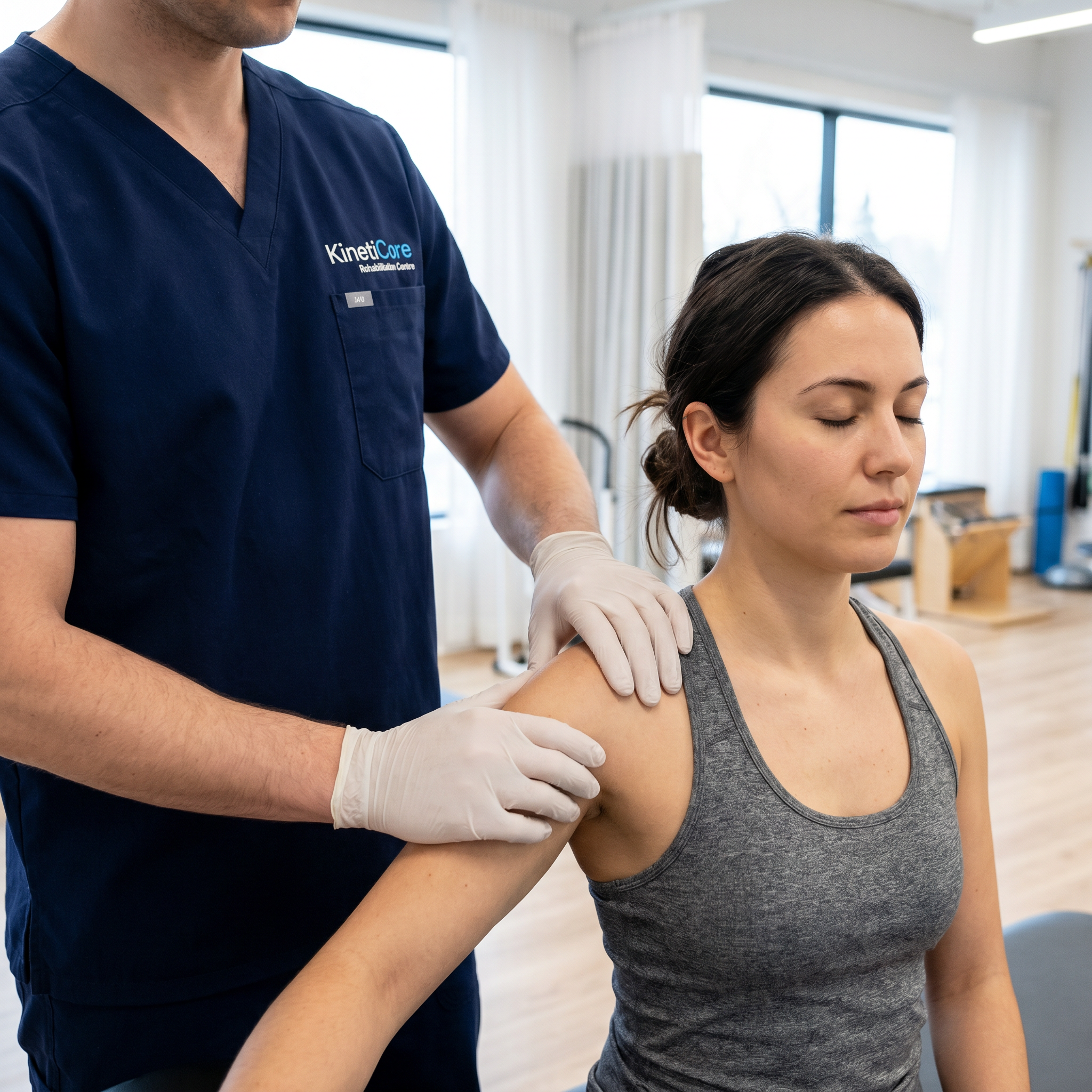
Chiropractors, physiotherapists, and registered massage therapists collaborating under one roof, so your care is coordinated, not fragmented.
- Movement Based Approach
We assess how your body actually moves, then build a treatment plan that restores function from the foundation up. Kinetic. Core. Foundation.
“Loose joints put more of the work onto muscle.”
That applies to the pelvis as much as to a shoulder or a knee. Muscles doing stabilising work all day tire faster, which is why symptoms in this group often worsen through the afternoon rather than with any particular activity. Fatigue is tracked between visits. Progression is paced.

What We Offer
Hypermobility Pelvic Care and Related Services in Aurora
Chiropractic Care

Hypermobile spines need careful handling, and chiropractic care here uses techniques chosen for loose joints. Nothing forceful is applied. Findings are explained. End range is avoided.
Physiotherapy

Joint instability elsewhere is assessed within physiotherapy, which runs alongside this care where useful. Notes are shared with consent. Referral is simple. Plans stay coordinated.
Registered Massage Therapy

Muscles working overtime to stabilise get tender, and massage therapy can ease that between appointments. Draping stays modest. Pressure matches you. Comfort is checked. Nothing is forced.
Acupuncture

Widespread joint aching sometimes eases when acupuncture is added alongside the stability work. Points follow the assessment. Reasoning is explained. Consent is taken each visit. Nothing is assumed.
Class IV K-Laser Therapy
A persistently irritated joint can be treated with Class IV laser therapy while training continues. Sessions take minutes. Nothing invasive is involved. Screening happens first. Consent is taken.
Custom Orthotics

Flat flexible feet are common with hypermobility, and custom orthotics cast on site can steady that base. Both feet are measured. Casting takes one visit. Footwear is fitted. Gait is reviewed.
Exercise Rehabilitation

Control training suits loose joints, and exercise rehabilitation with a Registered Kinesiologist builds it carefully. End range is avoided. Load rises gradually. Progress is recorded.
Pelvic Floor Therapy

Delivered under the College of Physiotherapists of Ontario, pelvic floor therapy trains control rather than range here. Internal assessment stays optional. Consent guides every step.
Pediatric & Pregnancy Chiropractic

Hypermobility often runs in families, and pediatric and pregnancy chiropractic offers gentle low-force care alongside. Techniques stay gentle. Children are assessed carefully. Positioning is adapted.
How It Works
Your Path from Pain to Lasting Movement
Every patient at KC Rehab follows the same proven four-step process, designed to uncover the root cause of your pain or restriction and build a recovery plan that actually lasts.
Step 1
Consultation and Assessment
Your first visit begins with a detailed conversation about your history, lifestyle, and goals. We then perform a hands on movement assessment to identify the underlying mechanics behind your symptoms.
Step 2
Personalized Treatment Plan
Based on your assessment findings, we build a treatment plan tailored to your specific needs, goals, and timeline. This may combine chiropractic, physiotherapy, RMT, acupuncture, and exercise rehabilitation.
Step 3
Active Treatment & Therapy
Your plan comes to life through manual therapy, targeted exercise, and the modalities best suited to your condition. Every session is monitored and adjusted based on your progress.
Step 4
Ongoing Care & Prevention
Once you have recovered, we equip you with the exercises, ergonomic advice, and maintenance schedule you need to stay pain-free and continue moving well for years to come.
Why CHoose Us
Why Aurora Patients Train Control Rather Than Range
Hypermobile pelvic floors need endurance and control rather than more range, which is the opposite of the stretching advice most people arrive with. Fatigue patterns are tracked. Stretching is used sparingly. Longer slots suit the drive. Parking is free.
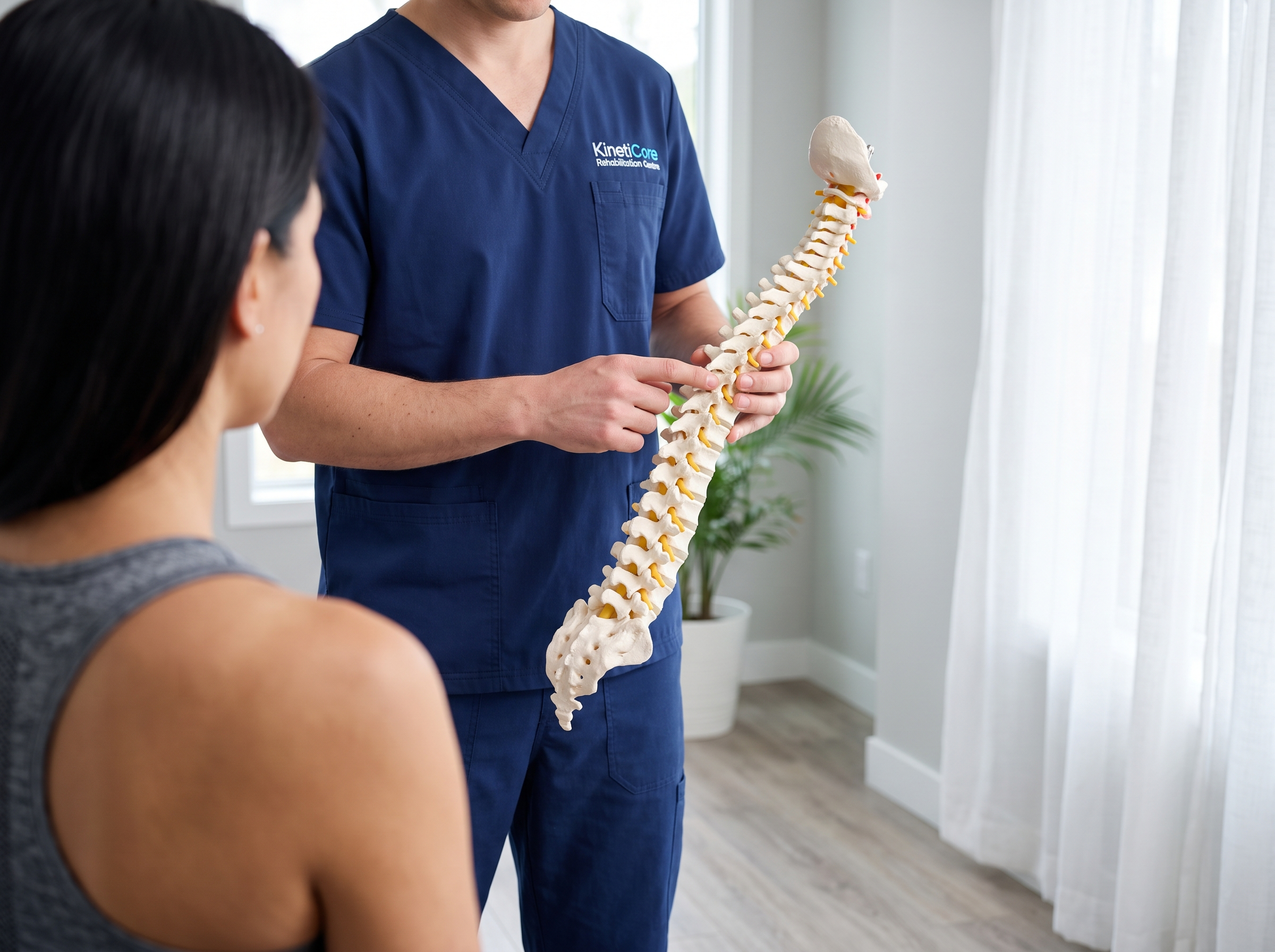
Control trained before load
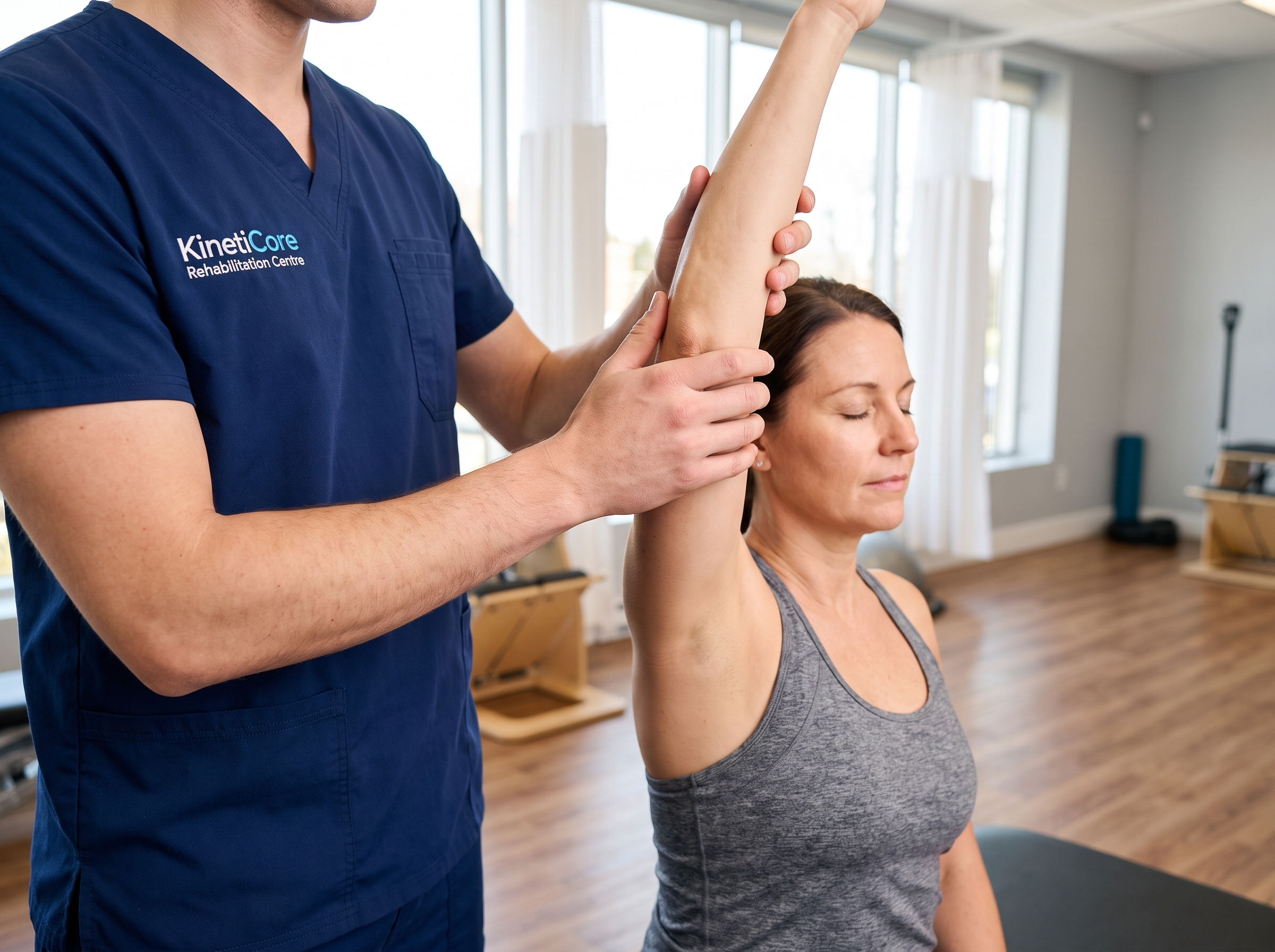
Holding a contraction steadily comes before anything is added, which is the reverse of how general programmes are built. Endurance builds first.
Fatigue patterns tracked
Hypermobile patients tire disproportionately, so the days after a session are recorded and progression paced accordingly. Records make it visible.
Private treatment room
Appointments take place in a private room with the door closed and nobody else enters without your agreement. Draping stays modest. The door stays closed.
Longer slots for the drive
Appointments can be extended for patients travelling south on Highway 404, so one trip covers more than a short visit. Visits can be combined.
RESTORE. REBUILD. RECOVER.
Whether it has been a week or a decade, you do not have to keep adjusting your life around pain. Book your initial assessment at KC Rehab today and find out what real, movement based recovery actually feels like.
Our Customer Testimonials
Frequent Asked Questions
Does hypermobility affect the pelvic floor?
Pelvic floor symptoms occur more often in hypermobile people, since muscles carry more of the stabilising work.The connection is under-recognised. Patients from Oak Ridges often learn it here first. Assessment establishes what applies. Control training suits it. Fatigue is tracked closely.
Should stretching be avoided?
Stretching a system that already has plenty of range rarely helps and can make symptoms worse.Control and endurance matter more. KinetiCore Rehabilitation Centre uses stretching sparingly rather than as a default recommendation. Technique is taught carefully. End range is avoided.
Why do symptoms worsen through the day?
Muscles doing stabilising work all day fatigue faster in hypermobile people, so symptoms build by the afternoon.The pattern is characteristic. Patients from Bayview Hill describe exactly that timing. Pacing is planned deliberately. Rest breaks are built into the working day too.
Is a formal diagnosis needed first?
Training can begin without a formal label, though medical diagnosis matters where other systems are involved.Referral is arranged where warranted. To discuss your own situation, contact us before booking a visit. Your physician stays involved. Nothing at all waits on a formal label.
Does pregnancy affect hypermobile pelvic symptoms?
Pregnancy hormones increase laxity further, and hypermobile people often notice pelvic symptoms earlier as a result.Care adapts by trimester. Preparation before a birth is worthwhile in this group particularly. Positioning is adapted throughout. Your midwife is kept fully informed.
Can control really improve with training?
What else supports pelvic control here?
Hip and trunk endurance work supports pelvic stability as much as pelvic floor training on its own does.Adding physiotherapy for joint instability elsewhere is arranged where that is useful. Appointments can run consecutively. Assessment decides what applies here. Endurance is the theme.
What is the drive south on Highway 404?
Highway 404 runs south from the Aurora GO area to Highway 7, then east toward McCowan Road where the clinic sits.Free parking is outside at ground level. Patients from Gormley join the same road south. There are no stairs on arrival. Longer appointment slots can be booked ahead.