 Skip to content

Post-surgical recovery spans pelvic function, scar tissue, strength and confidence, and several professions work in this building. More than one can be seen in a visit. Your surgeon’s protocol frames it all. Assessment decides the priorities.
Pelvic Floor Therapy in Cornell After Gynaecological Surgery
Pelvic floor therapy is provided to Cornell patients recovering after gynaecological surgery. Scar and tissue healing are respected. A private treatment room is used. Internal assessment stays optional. Consent guides every step.
Direct billing accepted with most major insurance providers




Google Reviews
5.0
"I've been seeing Dr. Karavanas for 4 years. He is the best Chiropractor in Markham."
Alex Z."I can't recommend Dr. Fiona Chan enough. She spends the entire appointment with you and always diagnoses the real cause of the issue."
Alain K."Dr. Fiona Chan is knowledgeable and patient with my kids, and has been a great support for their health and gymnastics performance."
William Y.
0 +
Years of Combined Experience
Who We Are
Markham Stouffville Hospital, Cornell and the Route West
Cornell patients travel west along Highway 7 from the Markham Stouffville Hospital and Cornell Community Centre area in the east of Markham.
Recovery after hysterectomy or other gynaecological surgery follows a timeline your surgeon sets, and nothing here moves ahead of it. Once clearance is given, rebuilding pelvic floor function, managing scar tissue and returning to lifting all benefit from structure rather than being left to work themselves out over the following year. Surgical clearance comes first. Scar tissue is addressed gently. Lifting returns in planned stages. Your surgical team stays informed.
- Multidisciplinary Team
Chiropractors, physiotherapists, and registered massage therapists collaborating under one roof, so your care is coordinated, not fragmented.
- Movement Based Approach
We assess how your body actually moves, then build a treatment plan that restores function from the foundation up. Kinetic. Core. Foundation.
“The surgeon sets the timeline and nothing moves ahead of it.”
Tissue healing after pelvic surgery takes months regardless of how well someone feels at six weeks. Working within the protocol is what protects the repair, and it is the single thing most worth respecting during the first stretch. Clearance is confirmed before starting.
What We Offer
Pelvic Health and Recovery Services for Cornell Patients
Chiropractic Care

Compensating movement after surgery stiffens the back, and chiropractic care can address that once healing allows it. Timing follows the surgical stage. Techniques stay gentle. Comfort comes first.
Physiotherapy

General recovery and strength are assessed within physiotherapy, which runs alongside this care here. Notes are shared with consent. Referral is simple. Both plans stay coordinated.
Registered Massage Therapy

Abdominal and hip tension builds during recovery, and massage therapy can ease that once healing allows it. The surgical site is avoided. Draping stays modest. Comfort is checked throughout.
Acupuncture

Persistent post-surgical discomfort sometimes eases when acupuncture is added to the wider plan. The operative site is avoided. Reasoning is explained. Consent is taken each visit.
Class IV K-Laser Therapy
Localised pain away from the surgical site can be treated with Class IV laser therapy where appropriate. Screening happens beforehand. Suitability is assessed. Caution guides the decision.
Custom Orthotics

Walking tolerance returns gradually after surgery, and custom orthotics cast on site can support that return. Both feet are measured. Casting takes one appointment. Footwear is fitted.
Exercise Rehabilitation

Returning to lifting needs structure, and exercise rehabilitation with a Registered Kinesiologist provides the staged plan. Surgical limits are respected. Progress is recorded each visit.
Pelvic Floor Therapy

Delivered under the College of Physiotherapists of Ontario, pelvic floor therapy rebuilds function within surgical limits. Internal assessment stays optional. Consent guides every step.
Pediatric & Pregnancy Chiropractic

Family members attending together can arrange pediatric and pregnancy chiropractic, gentle low-force care for musculoskeletal comfort. Techniques stay gentle. Children are treated gently too.
How It Works
Your Path from Pain to Lasting Movement
Every patient at KC Rehab follows the same proven four-step process, designed to uncover the root cause of your pain or restriction and build a recovery plan that actually lasts.
Step 1
Consultation and Assessment
Your first visit begins with a detailed conversation about your history, lifestyle, and goals. We then perform a hands on movement assessment to identify the underlying mechanics behind your symptoms.
Step 2
Personalized Treatment Plan
Based on your assessment findings, we build a treatment plan tailored to your specific needs, goals, and timeline. This may combine chiropractic, physiotherapy, RMT, acupuncture, and exercise rehabilitation.
Step 3
Active Treatment & Therapy
Your plan comes to life through manual therapy, targeted exercise, and the modalities best suited to your condition. Every session is monitored and adjusted based on your progress.
Step 4
Ongoing Care & Prevention
Once you have recovered, we equip you with the exercises, ergonomic advice, and maintenance schedule you need to stay pain-free and continue moving well for years to come.
Why CHoose Us
Why Cornell Patients Recover Within the Protocol
Nothing begins before your surgeon has cleared it, and the protocol they set defines every stage of what happens afterwards here. Scar healing is respected throughout. Lifting returns in planned stages. A private treatment room is used. Parking is free.
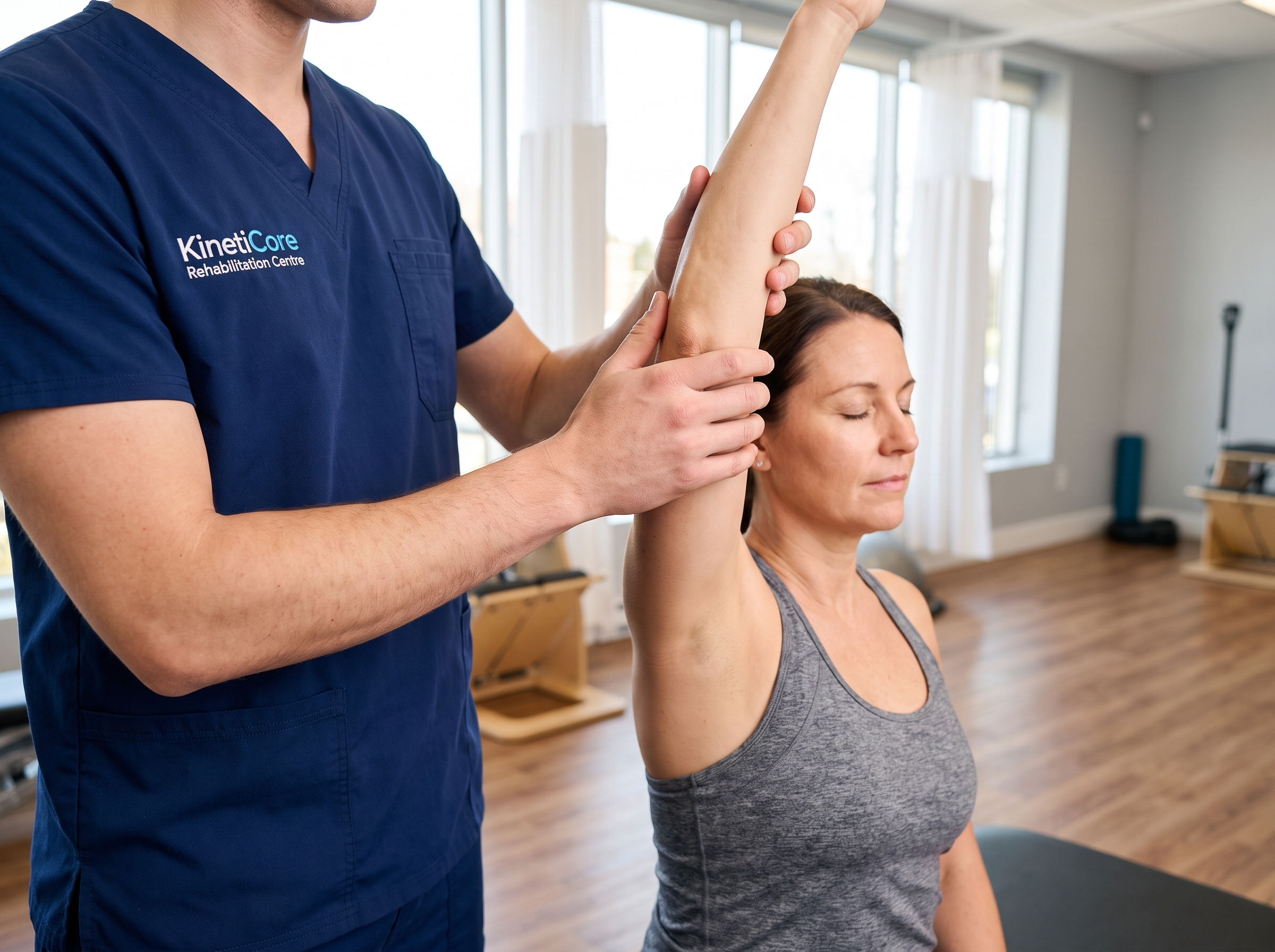
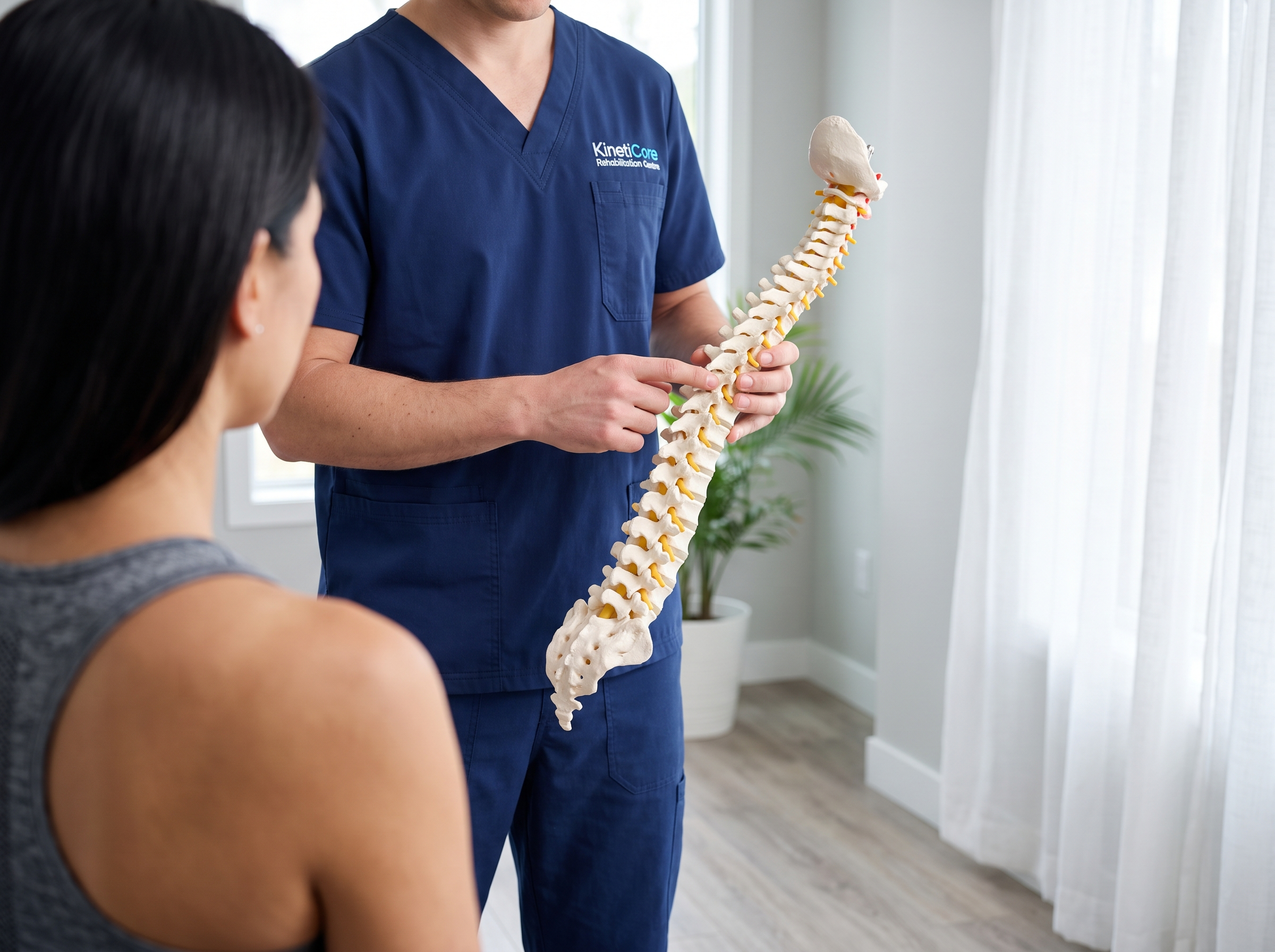
Surgeon protocol followed
Whatever restrictions and timelines your surgeon set define the ceiling, regardless of how well recovery appears to be going. Bring your discharge paperwork.
Scar healing respected
Scar tissue work waits until healing allows and begins gently, with the surgical site avoided until it is appropriate. Timing follows the stage.
Private treatment room
Appointments take place in a private room with the door closed, and nobody else enters without your agreement. Draping stays modest throughout.
Internal assessment optional
An internal assessment is one option among several, and declining it changes nothing else about the care provided. External assessment works well.
RESTORE. REBUILD. RECOVER.
Whether it has been a week or a decade, you do not have to keep adjusting your life around pain. Book your initial assessment at KC Rehab today and find out what real, movement based recovery actually feels like.
Our Customer Testimonials
Frequent Asked Questions
When can pelvic floor work begin after surgery?
Timing comes from your surgeon, commonly around six weeks for gentle work and considerably longer for loading.Nothing starts before clearance. Patients from Box Grove bring their discharge notes to the first visit. Protocols differ between surgeons. Clarification is sought where unclear.
Does scar tissue need treating?
Scar tissue can restrict movement and comfort, and gentle work helps once healing has progressed sufficiently.Timing matters considerably. KinetiCore Rehabilitation Centre waits for surgical clearance rather than working to any general timeline. Techniques begin very gently indeed. Movement often improves.
How soon can lifting return?
Lifting restrictions come from your surgeon and commonly extend well beyond the point where people feel ready.Staged return follows clearance. To discuss your own restrictions, contact us before booking an appointment. Nothing exceeds the protocol here. Bring your discharge notes. Stages follow clearance.
Is internal assessment appropriate after surgery?
It is delayed until your surgeon has cleared it, and it remains optional regardless of timing.External assessment works well meanwhile. Patients from Cathedraltown often decline it entirely without any difficulty at all. Consent can be withdrawn at any point. External methods work well.
Should my surgical team be informed?
A summary can be sent with your written consent so everyone involved works from the same information.They remain responsible for surgical recovery. Anything outside musculoskeletal and pelvic function goes straight back to them. You see anything sent onward. Coordination is offered routinely.
How long does recovery usually take?
What else supports recovery here?
Gentle strengthening, breathing work and graded loading together achieve more than pelvic floor training alone.Adding physiotherapy for general reconditioning is arranged where useful. Assessment decides what belongs in your own plan. Appointments can run consecutively. Nothing is added needlessly.
How far is the clinic from the hospital?
The clinic sits west along Highway 7 from the Markham Stouffville Hospital and Cornell Community Centre area.Free parking is outside with ground floor access, which matters during recovery. Patients from Greensborough approach the clinic from the north instead. There are no stairs on arrival.