 Skip to content
Heel pain often travels with calf, knee and hip changes from months of limping, so having several professions in one building helps. A Woburn patient can complete physiotherapy, laser therapy and an orthotic assessment in a single visit.
Heel Pain Physiotherapy for Woburn Residents
We offer physiotherapy in Woburn for plantar heel pain, arch pain and the calf tightness that drives both. Assessment identifies what is overloading the tissue, then a loading programme and footwear changes address the cause.
Direct billing accepted with most major insurance providers




Google Reviews
5.0
"I've been seeing Dr. Karavanas for 4 years. He is the best Chiropractor in Markham."
Alex Z."I can't recommend Dr. Fiona Chan enough. She spends the entire appointment with you and always diagnoses the real cause of the issue."
Alain K."Dr. Fiona Chan is knowledgeable and patient with my kids, and has been a great support for their health and gymnastics performance."
William Y.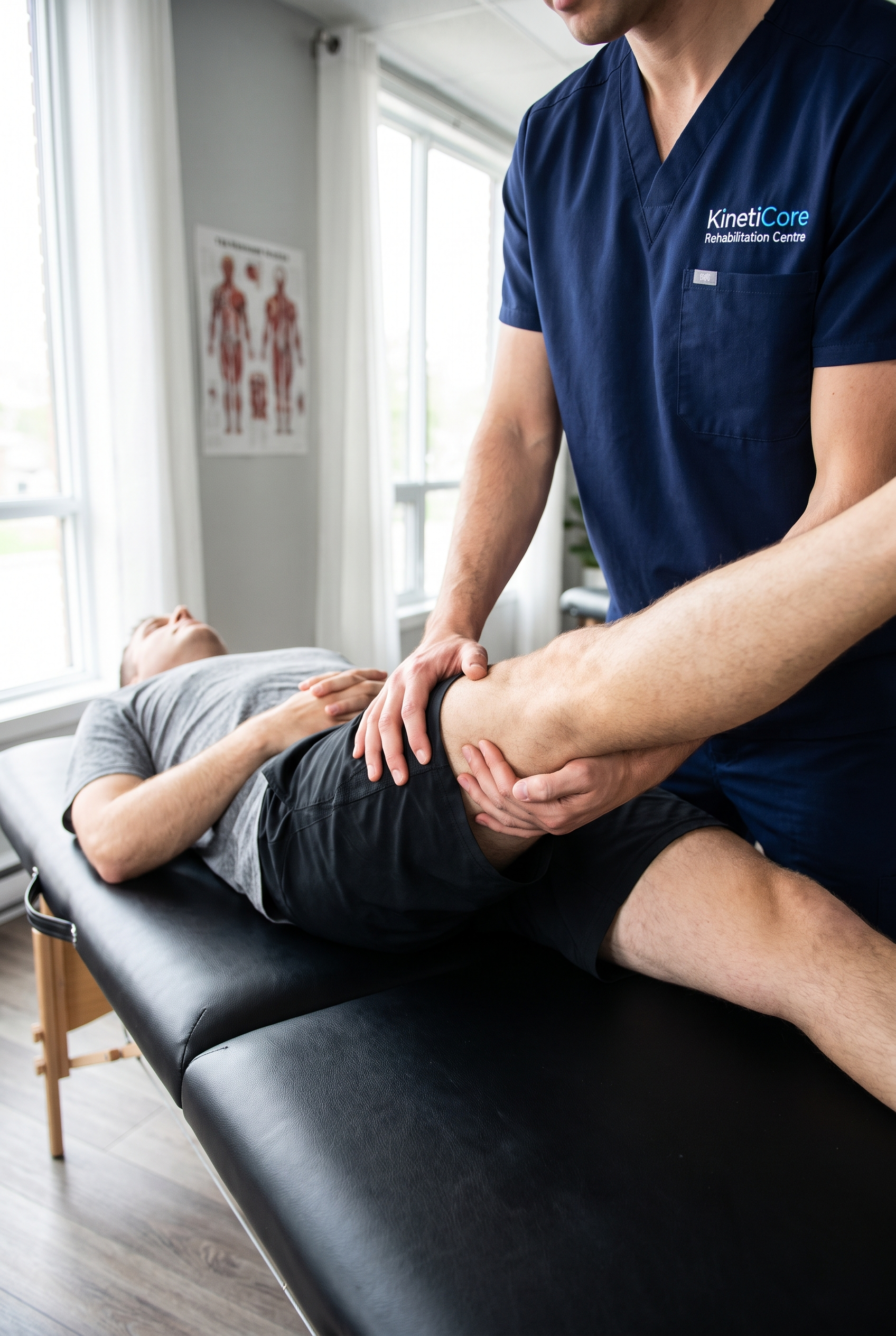
0 +
Years of Combined Experience

Who We Are
Why Morning Heel Pain Points to a Loading Problem
Heel pain that bites on the first steps of the morning and eases with walking has a recognisable pattern, and that pattern guides treatment.
Patients drive north via Markham Road from Scarborough General Hospital because heel pain rarely settles with rest alone. Assessment checks calf strength and length, foot posture, footwear and any recent increase in standing or walking. Treatment then loads the plantar tissue through calf raises and heel raises with the toes elevated, progressed over weeks. Footwear advice, temporary support and orthotic assessment fill the gaps, and progress is measured by morning pain and standing tolerance.
- Multidisciplinary Team
Chiropractors, physiotherapists, and registered massage therapists collaborating under one roof, so your care is coordinated, not fragmented.
- Movement Based Approach
We assess how your body actually moves, then build a treatment plan that restores function from the foundation up. Kinetic. Core. Foundation.
“The first steps of the day tell you most about the tissue”
Morning pain that fades within ten minutes points to tissue that stiffens overnight and settles with movement. Pain that worsens as the day goes on suggests a loading problem instead. That distinction shapes the programme, which is why the first questions asked are about timing rather than severity.
What We Offer
Foot and Lower Limb Care Under One Roof
Chiropractic Care
Chiropractic care addresses the hip and low back discomfort that develops after months of walking differently, using spinal adjustment and mobilization to settle the compensating joints.
Physiotherapy
Physiotherapy directs heel pain recovery, testing calf strength, ankle range and foot mechanics, then progressing a loading programme that builds plantar tissue tolerance week by week.
Registered Massage Therapy

Massage therapy from an RMT releases calf, soleus and plantar tension that limits ankle movement, which often makes the daily loading exercises considerably more comfortable to complete.
Acupuncture
Acupuncture offers a drug-free option for stubborn heel and arch pain, using fine sterile single-use needles placed by a registered acupuncturist around the foot, heel and calf muscles.
Class IV K-Laser Therapy

Class IV laser therapy delivers therapeutic light into the plantar tissue and heel, which can help ease pain and support healing in slow-responding cases without needles or medication.
Custom Orthotics
Custom orthotics support the arch and redistribute load away from a painful heel, with assessment and casting completed on site so the finished fit matches the work footwear you stand in all day.
Exercise Rehabilitation

Exercise rehabilitation with a Registered Kinesiologist progresses calf and lower limb strength beyond the early stage, restoring standing and walking tolerance for long work shifts.
Pelvic Floor Therapy

Pelvic floor therapy is available privately from a registered physiotherapist with pelvic health training, and can be booked alongside foot care during the same trip to the clinic.
Pediatric & Pregnancy Chiropractic

Pediatric and pregnancy chiropractic provides gentle, low-force care for musculoskeletal comfort during pregnancy and for children, which parents often book alongside their own appointment.
How It Works
Your Path from Pain to Lasting Movement
Every patient at KC Rehab follows the same proven four step process, designed to uncover the root cause of your pain or restriction and build a recovery plan that actually lasts.
Step 1
Consultation and Assessment
Your first visit begins with a detailed conversation about your history, lifestyle, and goals. We then perform a hands on movement assessment to identify the underlying mechanics behind your symptoms.
Step 2
Personalized Treatment Plan
Based on your assessment findings, we build a treatment plan tailored to your specific needs, goals, and timeline. This may combine chiropractic, physiotherapy, RMT, acupuncture, and exercise rehabilitation.
Step 3
Active Treatment & Therapy
Your plan comes to life through manual therapy, targeted exercise, and the modalities best suited to your condition. Every session is monitored and adjusted based on your progress.
Step 4
Ongoing Care & Prevention
Once you have recovered, we equip you with the exercises, ergonomic advice, and maintenance schedule you need to stay pain-free and continue moving well for years to come.
Why CHoose Us
Heel Pain Treated at the Source
Woburn patients choose our physiotherapy because heel pain is treated as a loading problem rather than an inflammation to wait out. Calf strength is tested, the loading programme is progressed weekly, and orthotic assessment happens in the same building.
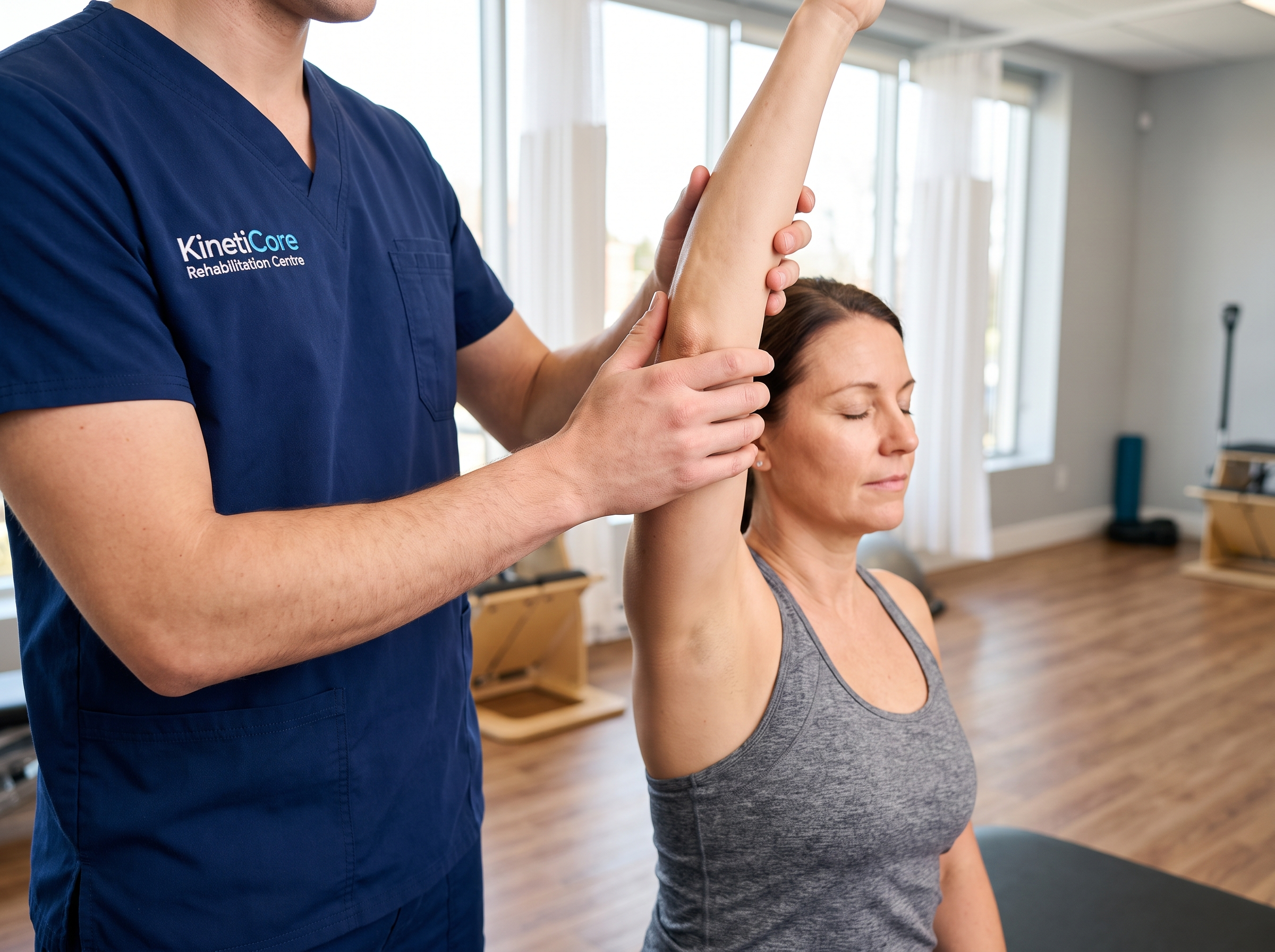
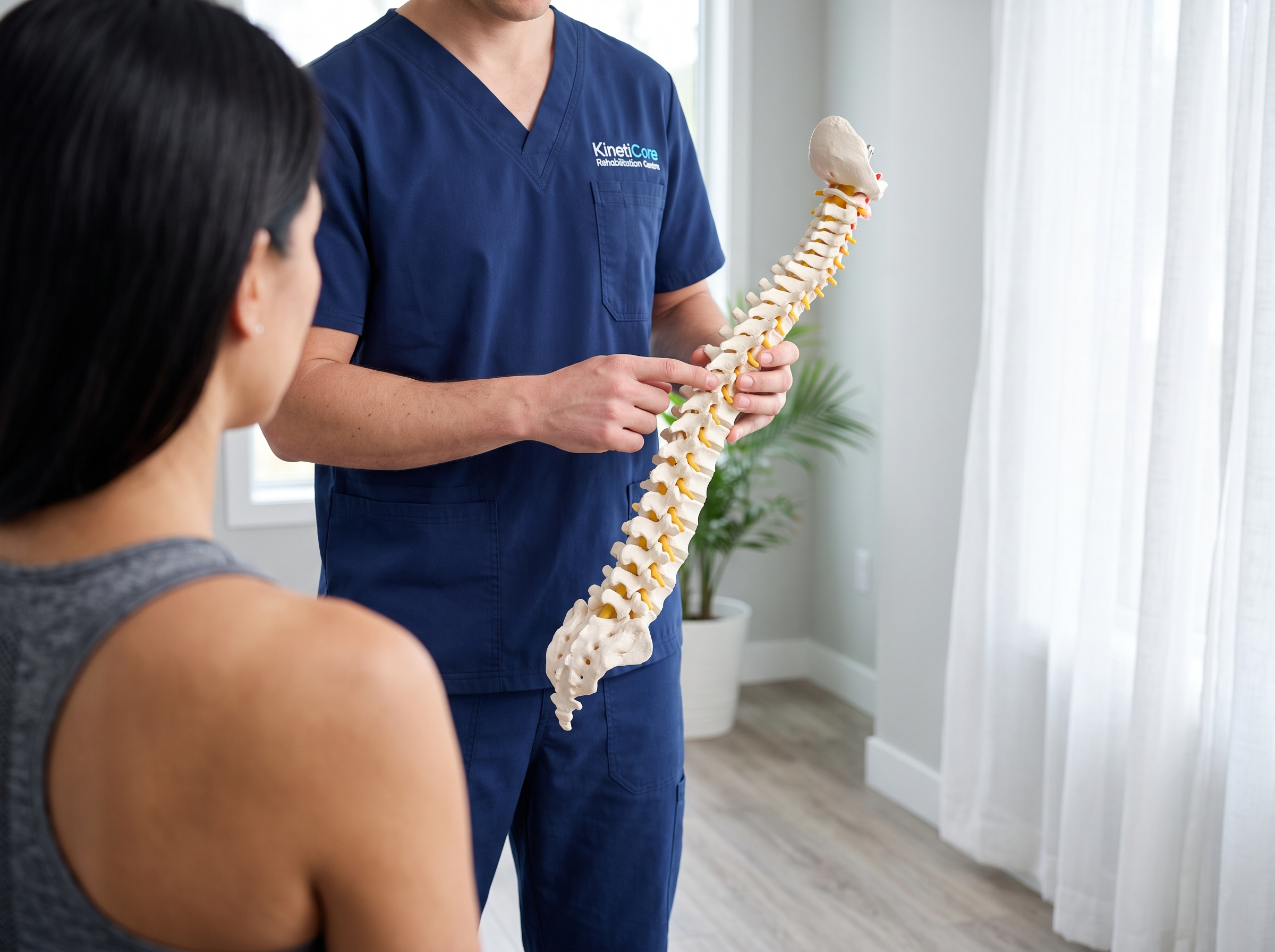
Calf and foot loading assessed
Calf strength, ankle range and foot posture are measured at the first visit, which identifies the specific overload driving your heel symptoms.
Orthotic assessment on site
Foot assessment and casting happen in the same building, so support can be arranged without a separate referral or another trip from Woburn.
Timely appointments
Assessments are usually available within the same week, which matters when standing at work is becoming harder with every passing shift.
Direct billing to most plans
Most extended health insurers are billed directly, and receipts are issued the same day for any portion your own plan does not cover.
RESTORE. REBUILD. RECOVER.
Whether it has been a week or a decade, you do not have to keep adjusting your life around pain. Book your initial assessment at KC Rehab today and find out what real, movement based recovery actually feels like.
Our Customer Testimonials
Frequent Asked Questions
Why does heel pain feel worst in the first steps of the morning?
Plantar tissue shortens and stiffens overnight, so the first weight-bearing steps stretch it sharply before it warms up. That pattern is characteristic of plantar heel pain. It typically eases within ten minutes of walking, then returns again after any long period of sitting still.
Is plantar heel pain the same as a heel spur?
No, a heel spur is a bony change that often exists without pain and is not the cause of plantar heel symptoms. Many people have spurs and no discomfort at all. Treatment therefore targets tissue loading rather than the spur, as patients from Bendale are often surprised to learn.
How long does plantar heel pain take to settle?
Most cases improve substantially within three to six months of consistent loading work, though early relief often comes sooner. Long-standing cases take longer to settle. Consistency with the daily programme predicts the timeline far more reliably than how severe the pain was at the start.
Do custom orthotics help alongside physiotherapy?
Orthotics can reduce load on painful plantar tissue while the strengthening programme builds tolerance, working as support rather than as the whole treatment. KinetiCore Rehabilitation Centre completes assessment and casting on site, so both parts of the plan are arranged during the same appointment.
Should I stop walking while my heel is sore?
No, complete rest usually makes plantar heel pain worse by reducing the tissue’s tolerance for load. Walking volume is adjusted rather than stopped altogether, with footwear changes and temporary support helping in the meantime. Patients from Scarborough follow this same principle.
What does calf loading involve in a treatment plan?
Can chiropractic care address hip and back changes from limping?
Yes, months of altered walking commonly leave the hip, pelvis and low back stiff and uncomfortable. chiropractic care addresses those compensating joints with spinal adjustment and soft tissue therapy, while the foot programme continues under physiotherapy in the same building.
How do I request an appointment time that suits shift work?
Appointments run from early morning through to evening, and reception can hold a recurring slot that fits your rotation. Consistency matters more than frequency for heel pain, so a regular time works well. You can contact us with your shift pattern and we will find something suitable.