 Skip to content
Recovery after immobilisation needs range work, loading and sometimes pain relief in combination. Every service below runs from the same building ten minutes west along Highway 7, so a single visit can cover more than one part of the plan.
Physiotherapist in Locust Hill for Post-Fracture Recovery
We provide physiotherapy in Locust Hill for limbs coming out of a cast or brace, restoring movement, strength and confidence after a fracture. Assessment starts with what the healed bone will now tolerate and what the joint above it has lost.
Direct billing accepted with most major insurance providers




Google Reviews
5.0
"I've been seeing Dr. Karavanas for 4 years. He is the best Chiropractor in Markham."
Alex Z."I can't recommend Dr. Fiona Chan enough. She spends the entire appointment with you and always diagnoses the real cause of the issue."
Alain K."Dr. Fiona Chan is knowledgeable and patient with my kids, and has been a great support for their health and gymnastics performance."
William Y.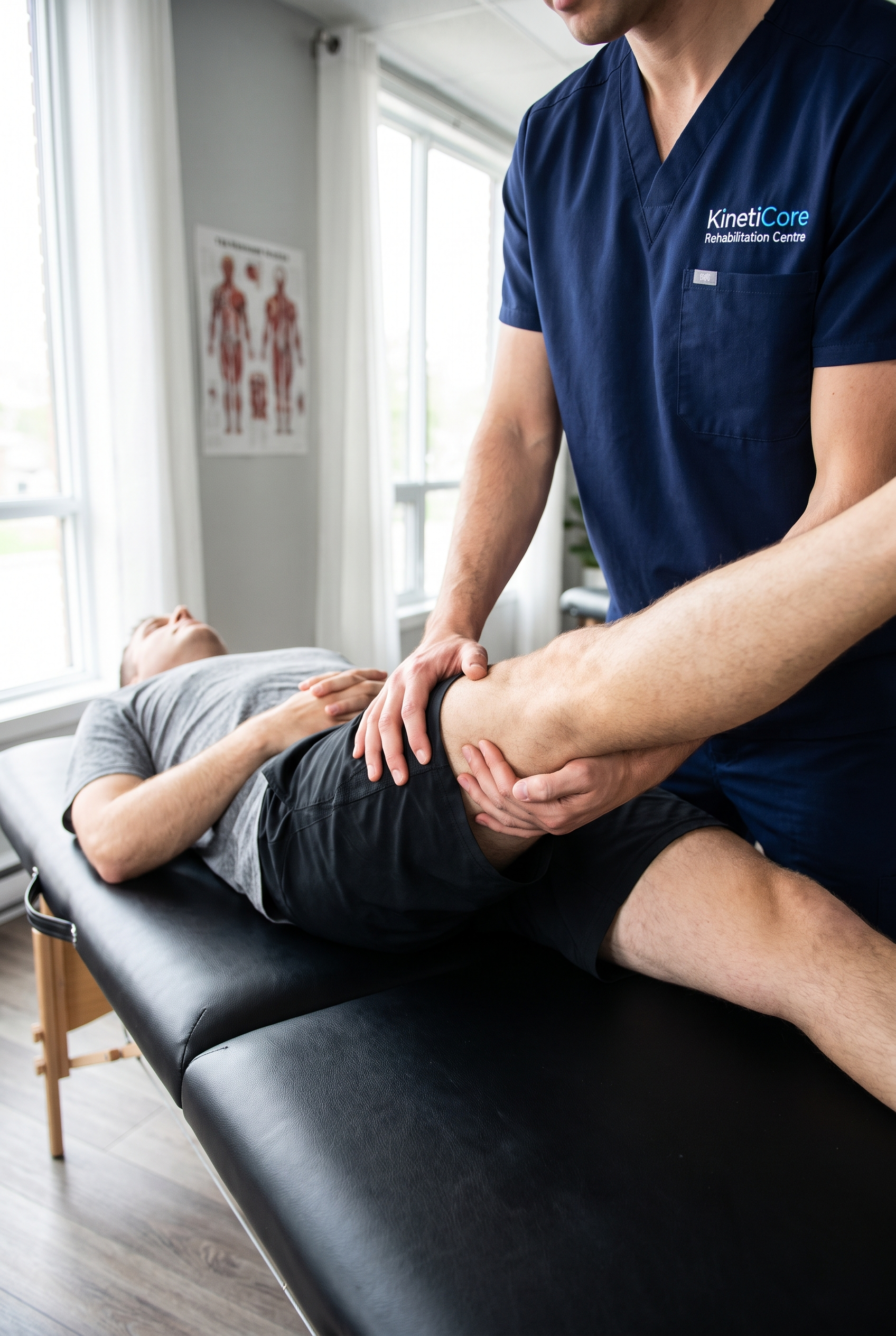
0 +
Years of Combined Experience
Who We Are
Locust Hill, Reesor Road and the Ten Minute Drive East on Highway 7
Locust Hill sits ten minutes east of the clinic at 6605 Highway 7, a straight run east past Reesor Road and the Rouge Park lands that sit beyond it.
Bone healing and function returning follow separate timelines. A radiograph can show a united fracture while the joint above it moves half as far as it should. Treatment begins with joint range, because stiffness responds fastest in the fortnight after immobilisation ends, then moves to loading as the fracture clinic allows. Swelling is managed alongside the range work. Strength is measured against the uninjured side at each visit, and discharge waits until that gap closes.
- Multidisciplinary Team
Chiropractors, physiotherapists, and registered massage therapists collaborating under one roof, so your care is coordinated, not fragmented.
- Movement Based Approach
We assess how your body actually moves, then build a treatment plan that restores function from the foundation up. Kinetic. Core. Foundation.
“Bone healing and function returning are two separate timelines.”
Patients leaving a fracture clinic are often told the bone has healed and left to work the rest out alone. The stiffness, weakness and hesitancy that follow six weeks of immobilisation are all treatable, and they respond quickly to structured work started early rather than months later.
What We Offer
Physiotherapy and Related Treatments for Locust Hill Patients
Chiropractic Care
Physiotherapy restores joint range first, then rebuilds strength against measured targets, working inside whatever the fracture clinic protocol allows at that stage. Both limbs are compared.
Physiotherapy
Chiropractic care addresses the joints above and below an immobilised limb, which stiffen through disuse while the cast is on. Gentle mobilisation suits the early weeks, before any loading begins.
Registered Massage Therapy

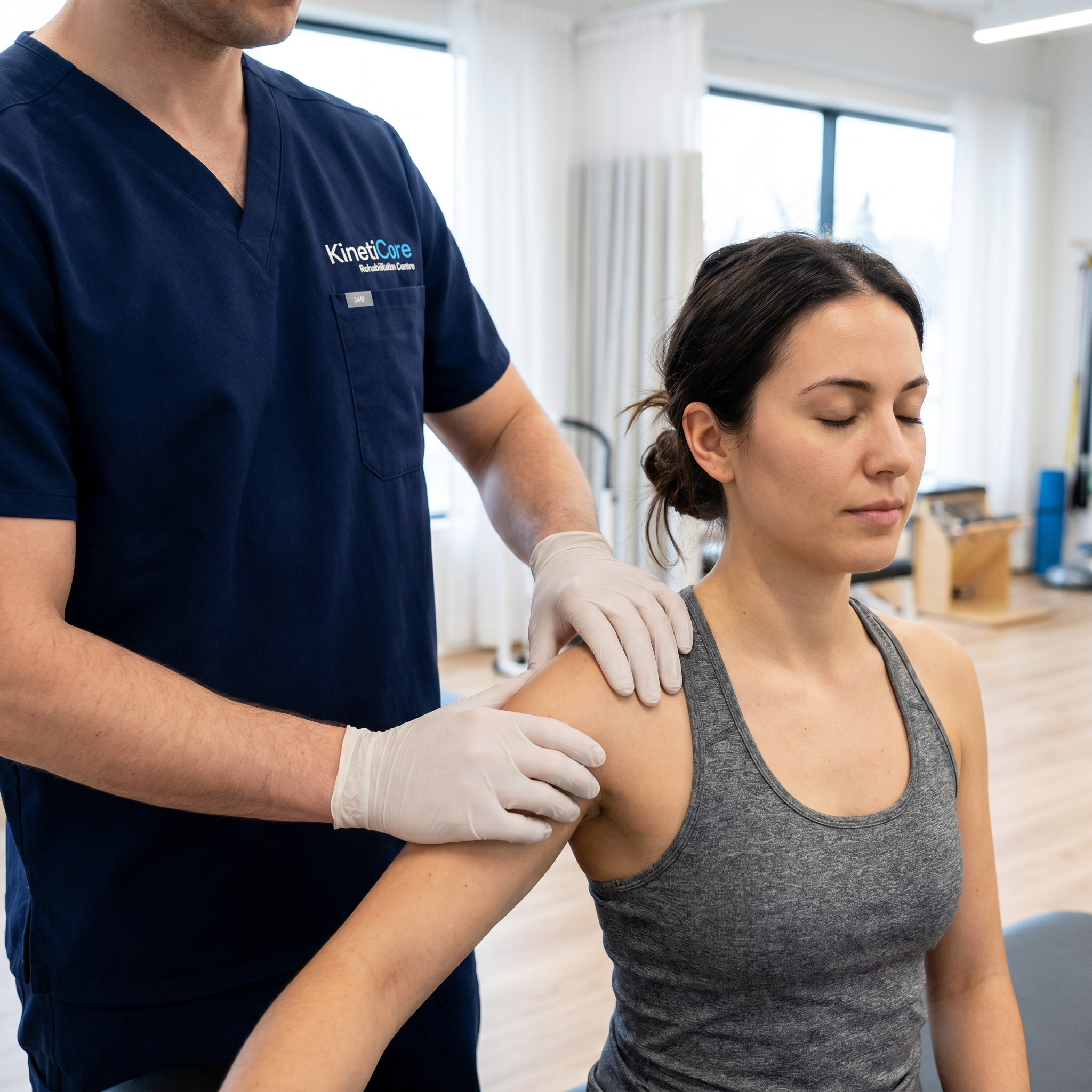
Massage therapy eases the muscle guarding and swelling that linger after a cast comes off, and it makes the first weeks of range work markedly more comfortable. Swelling settles faster too.
Acupuncture
Acupuncture can help settle persistent post-fracture pain that limits how much loading you tolerate, using points around and away from the healing site. Needles are single use and fine.
Class IV K-Laser Therapy
Class IV laser therapy helps reduce swelling and stiffness around a recently immobilised joint, and sessions take only minutes, with no dressing and no restriction afterwards at all.
Custom Orthotics
Custom orthotics matter after a foot or ankle fracture, where arch support changes how load passes through healing bone. Casting and the claim paperwork are both completed here on site.
Exercise Rehabilitation

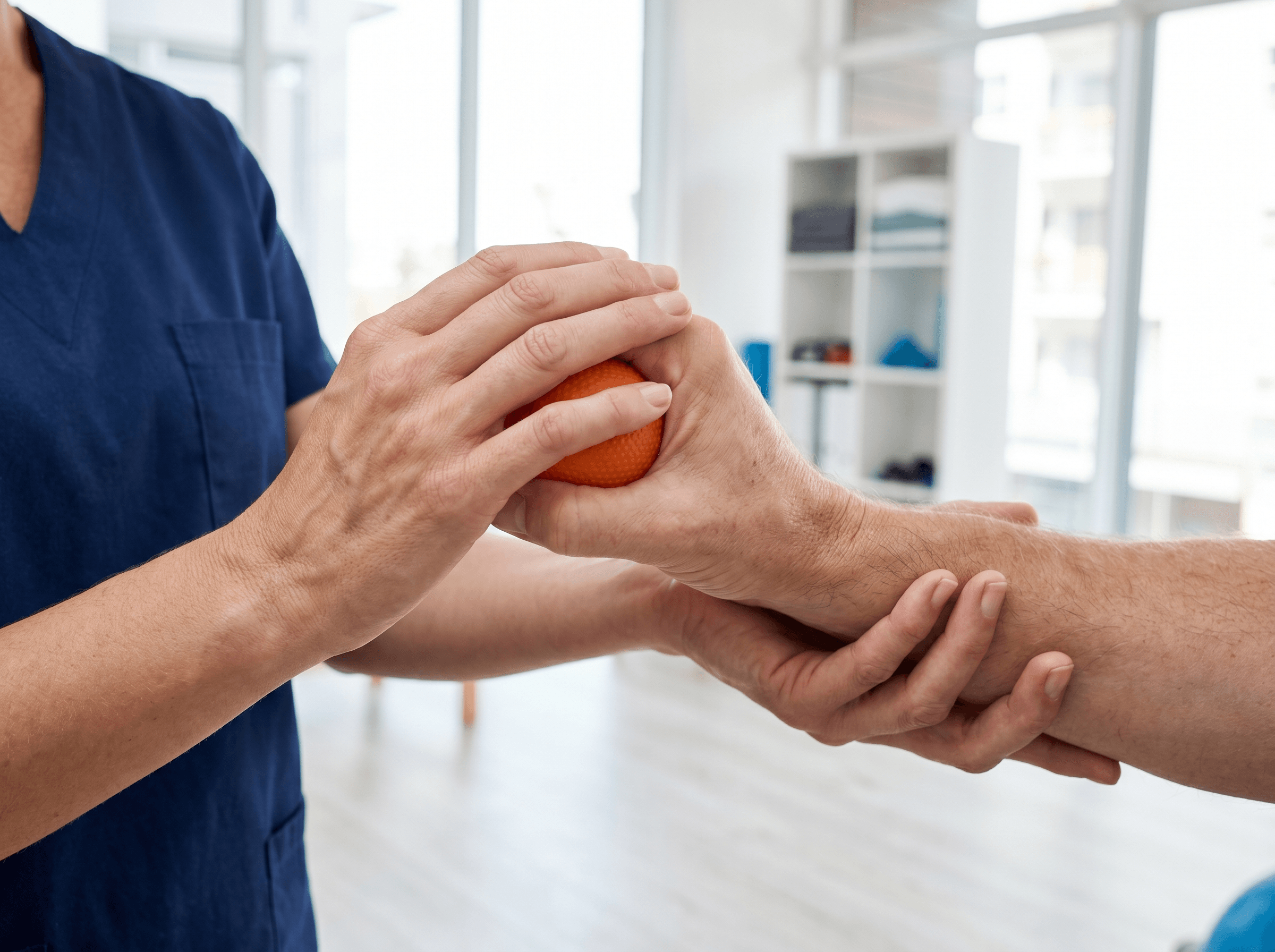
Exercise rehabilitation rebuilds the strength lost during immobilisation using measured loads, supervised by a Registered Kinesiologist and progressed against measurements from the other limb.
Pelvic Floor Therapy

Pelvic floor therapy sits outside fracture care, though patients recovering from a pelvic fracture are assessed privately, in a quiet private room, with consent confirmed at each stage.
Pediatric & Pregnancy Chiropractic
Pediatric and pregnancy chiropractic covers fracture recovery in children, where bone heals faster but joint stiffness and confidence still need attention once the cast finally comes off.
How It Works
Your Path from Pain to Lasting Movement
Every patient at KC Rehab follows the same proven four step process, designed to uncover the root cause of your pain or restriction and build a recovery plan that actually lasts.
Step 1
Consultation and Assessment
Your first visit begins with a detailed conversation about your history, lifestyle, and goals. We then perform a hands on movement assessment to identify the underlying mechanics behind your symptoms.
Step 2
Personalized Treatment Plan
Based on your assessment findings, we build a treatment plan tailored to your specific needs, goals, and timeline. This may combine chiropractic, physiotherapy, RMT, acupuncture, and exercise rehabilitation.
Step 3
Active Treatment & Therapy
Your plan comes to life through manual therapy, targeted exercise, and the modalities best suited to your condition. Every session is monitored and adjusted based on your progress.
Step 4
Ongoing Care & Prevention
Once you have recovered, we equip you with the exercises, ergonomic advice, and maintenance schedule you need to stay pain-free and continue moving well for years to come.
Why CHoose Us
Why Locust Hill Patients Start Rehabilitation Here
Rehabilitation follows the fracture clinic protocol exactly, and physiotherapists here hold registration with the College of Physiotherapists of Ontario. Post-fracture physiotherapy runs alongside eight other services, with free parking outside the door.
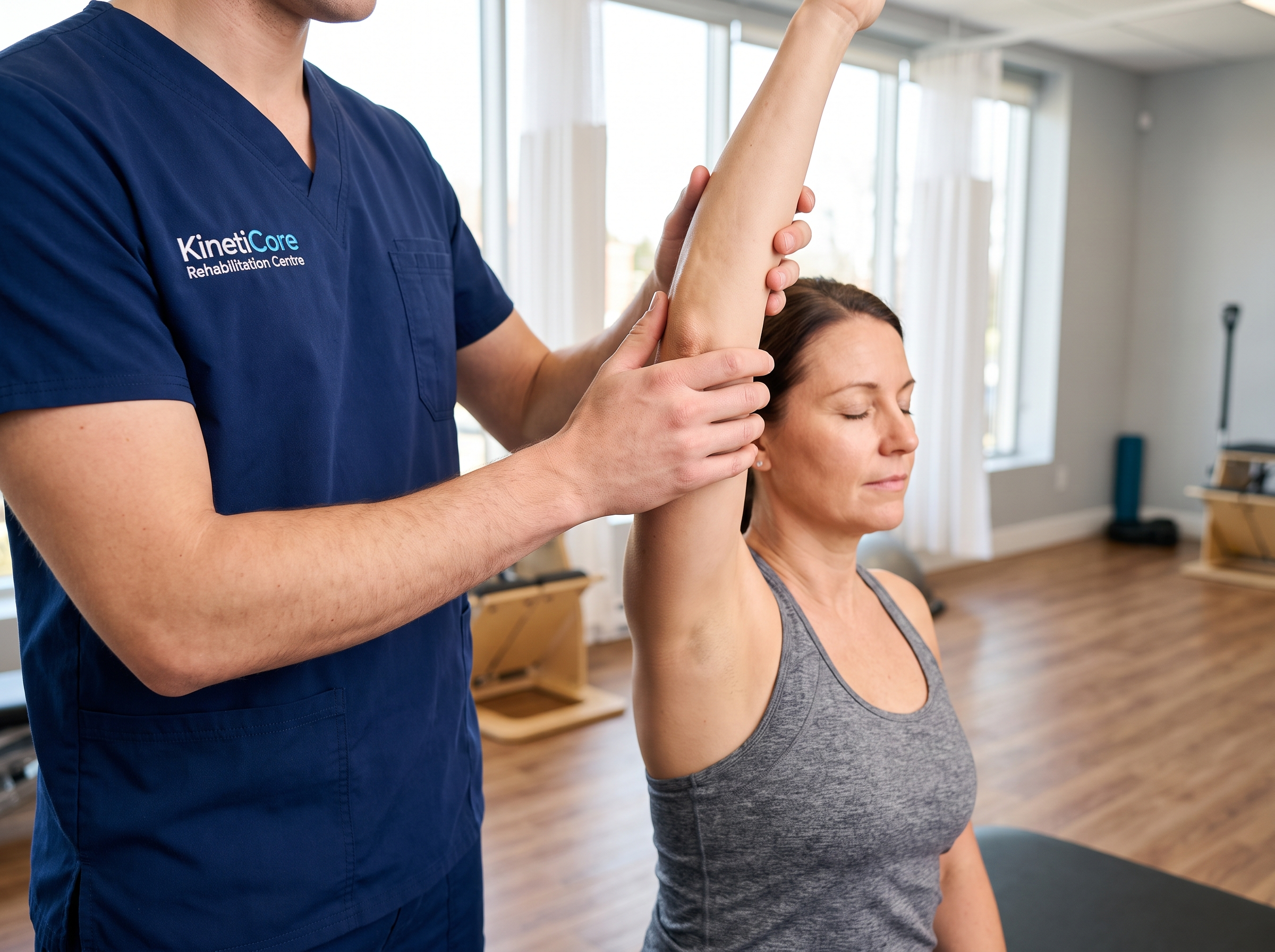
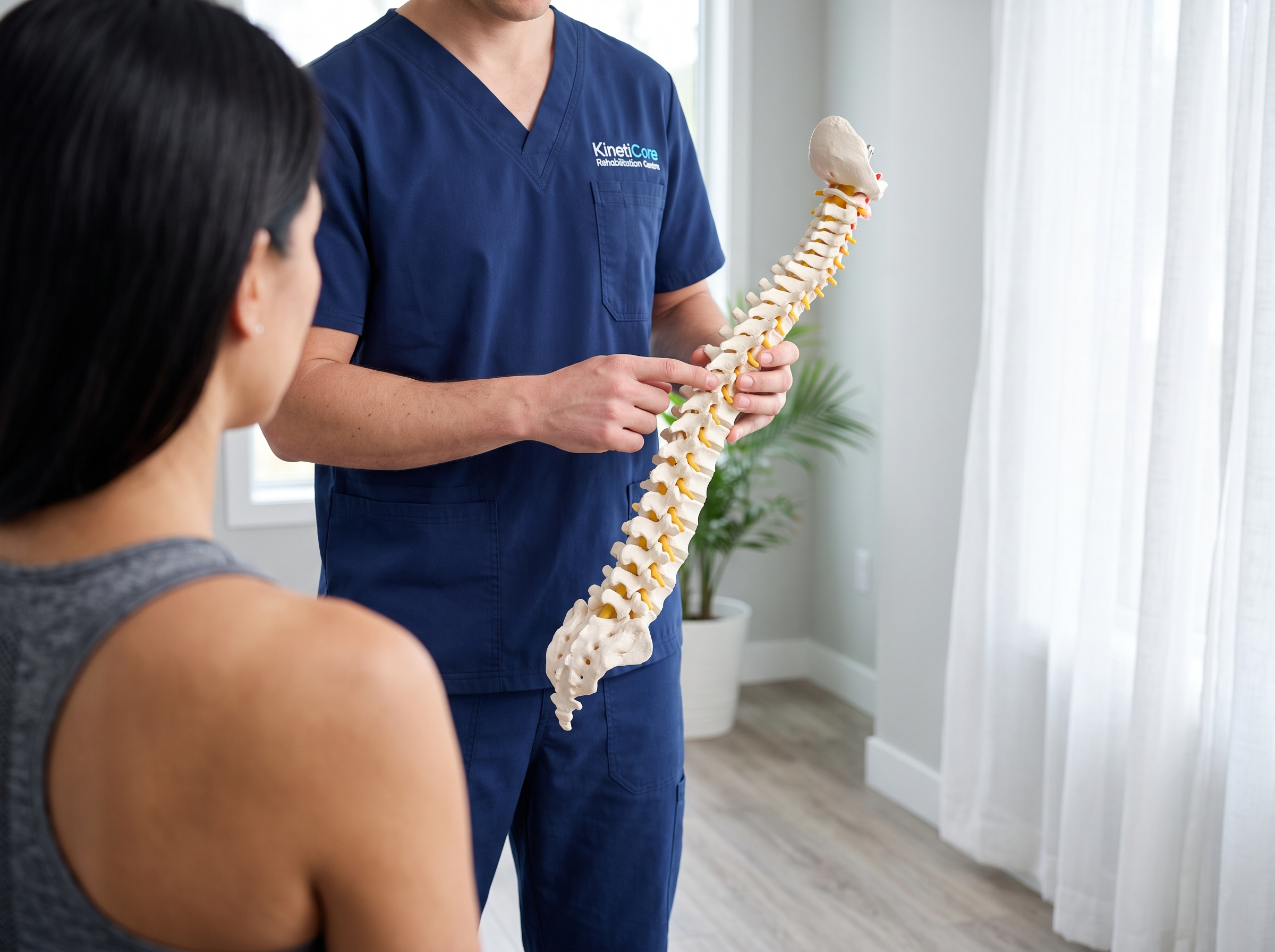
Movement restored in stages
Range work begins in the first fortnight after the cast comes off, because that is when stiffness responds fastest and the window is short.
Strength measured against the other limb
Strength in the injured limb is compared with the other side at each visit, giving a percentage that decides when loading progresses or holds.
Fracture clinic instructions followed
Whatever the surgeon or fracture clinic specified about weight bearing and range limits is followed exactly, with questions sent back to them where unclear.
Ten minute drive east on Highway 7
The drive east along Highway 7 takes ten minutes, which makes twice weekly visits realistic during the early phase when frequency matters most.
RESTORE. REBUILD. RECOVER.
Whether it has been a week or a decade, you do not have to keep adjusting your life around pain. Book your initial assessment at KC Rehab today and find out what real, movement based recovery actually feels like.
Our Customer Testimonials
Frequent Asked Questions
What happens once a cast is removed?
Once a cast comes off, treatment starts with restoring joint range and reducing swelling before any strengthening begins. Movement work inside the first fortnight produces the fastest gains. Adding chiropractic care helps the joints above and below that stiffened through disuse.
Why is the limb so weak after six weeks?
Six weeks of immobilisation costs roughly a third of the muscle bulk around the joint, along with the nerve drive to use it. Muscle wastes fastest in the first two weeks. Strength returns more slowly than range does. Most patients need eight to twelve weeks of loading to close the gap.
How soon should movement work begin?
Gentle movement usually begins the same week the cast is removed, within any limits the fracture clinic has set. Waiting longer allows stiffness to consolidate. Pain during range work is expected and monitored. KinetiCore Rehabilitation Centre coordinates that timing with your surgical instructions.
Does stiffness after a fracture fully resolve?
Most stiffness resolves, though a small permanent loss of end range is common after a fracture near a joint. Wrists and ankles are the most affected of all. Early movement work reduces the final deficit considerably, which is why timing matters. Patients in contact us are assessed to the same protocol.
How much strength is lost while immobilised?
Roughly a third of muscle cross section can be lost across six weeks of immobilisation, with more in older adults. The measurement is always taken against the other limb. Loading rebuilds it steadily across eight weeks. To ask what recovery looks like in your case, please Stouffville.
Can weight be put through the limb yet?
Which exercises rebuild a wasted calf or forearm?
Calf raises, heel walks and graded resistance work rebuild a wasted calf, while grip and wrist loading rebuild a forearm. Loads start low and rise weekly against measurements. Both sides are trained so the comparison stays honest. Patients from Morningside use the same progressions at home.
How long does post-fracture rehab usually take?
Most post-fracture rehabilitation runs eight to twelve weeks, longer where the fracture involved a joint surface or surgery. Range returns first, then strength, then confidence. Progress is measured rather than estimated. Discharge waits until the limb is within ten percent of the other side.