 Skip to content
Joint replacement recovery draws on strength work, swelling management and hands on care at different stages. Everything below runs from one building, which keeps the trip east along Highway 7 down to one appointment each week during recovery.
Physiotherapist in Bayview Hill for Knee and Hip Replacement
We provide physiotherapy in Bayview Hill for knee and hip replacement, covering strength work before the surgery date and staged recovery afterwards. Both phases use measured targets rather than estimates.
Direct billing accepted with most major insurance providers




Google Reviews
5.0
"I've been seeing Dr. Karavanas for 4 years. He is the best Chiropractor in Markham."
Alex Z."I can't recommend Dr. Fiona Chan enough. She spends the entire appointment with you and always diagnoses the real cause of the issue."
Alain K."Dr. Fiona Chan is knowledgeable and patient with my kids, and has been a great support for their health and gymnastics performance."
William Y.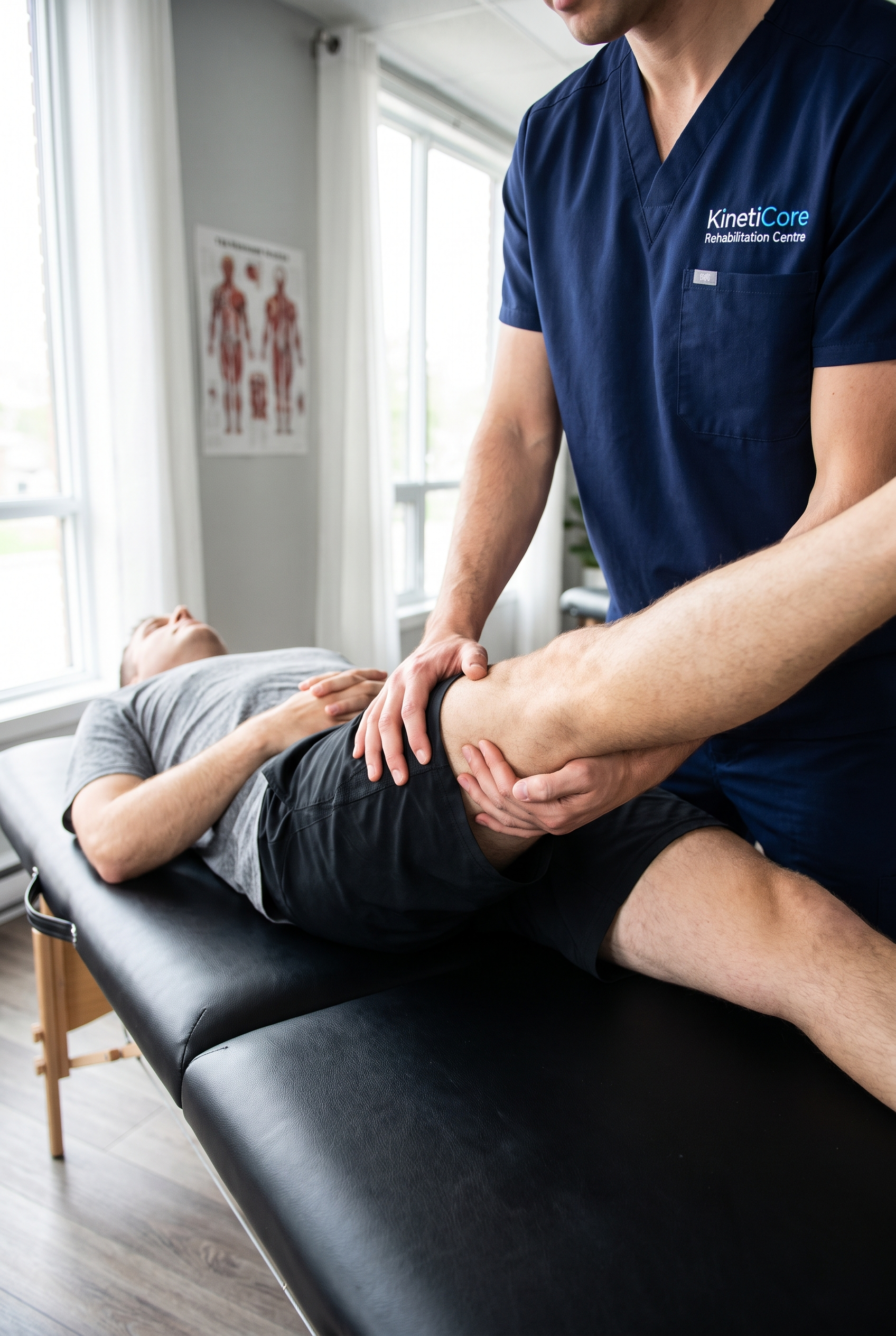
0 +
Years of Combined Experience

Who We Are
Bayview Secondary School and the Route West on Highway 7
Bayview Hill sits about twenty minutes north west of the clinic, reached by coming south on Bayview Avenue and then driving east along Highway 7.
Strength going into a joint replacement predicts how the first six weeks go. Quadriceps strength, walking capacity and stair ability all fall during the waiting period as pain limits activity, and patients arriving at surgery deconditioned take longer to leave hospital. Afterwards, treatment continues the hospital protocol: swelling, range, walking aid progression and strength work. Knee bend and swelling are recorded weekly, since both track recovery more reliably than pain does.
- Multidisciplinary Team
Chiropractors, physiotherapists, and registered massage therapists collaborating under one roof, so your care is coordinated, not fragmented.
- Movement Based Approach
We assess how your body actually moves, then build a treatment plan that restores function from the foundation up. Kinetic. Core. Foundation.
“Walk into surgery stronger and you walk out of hospital sooner.”
Patients waiting for a replacement are often told to rest until the surgery date, which arrives with a weaker leg than they started with. Six weeks of strengthening beforehand shortens the hospital stay and speeds the return to walking. The waiting period is usable time rather than dead time.
What We Offer
Physiotherapy Treatments Before and After Joint Replacement
Chiropractic Care
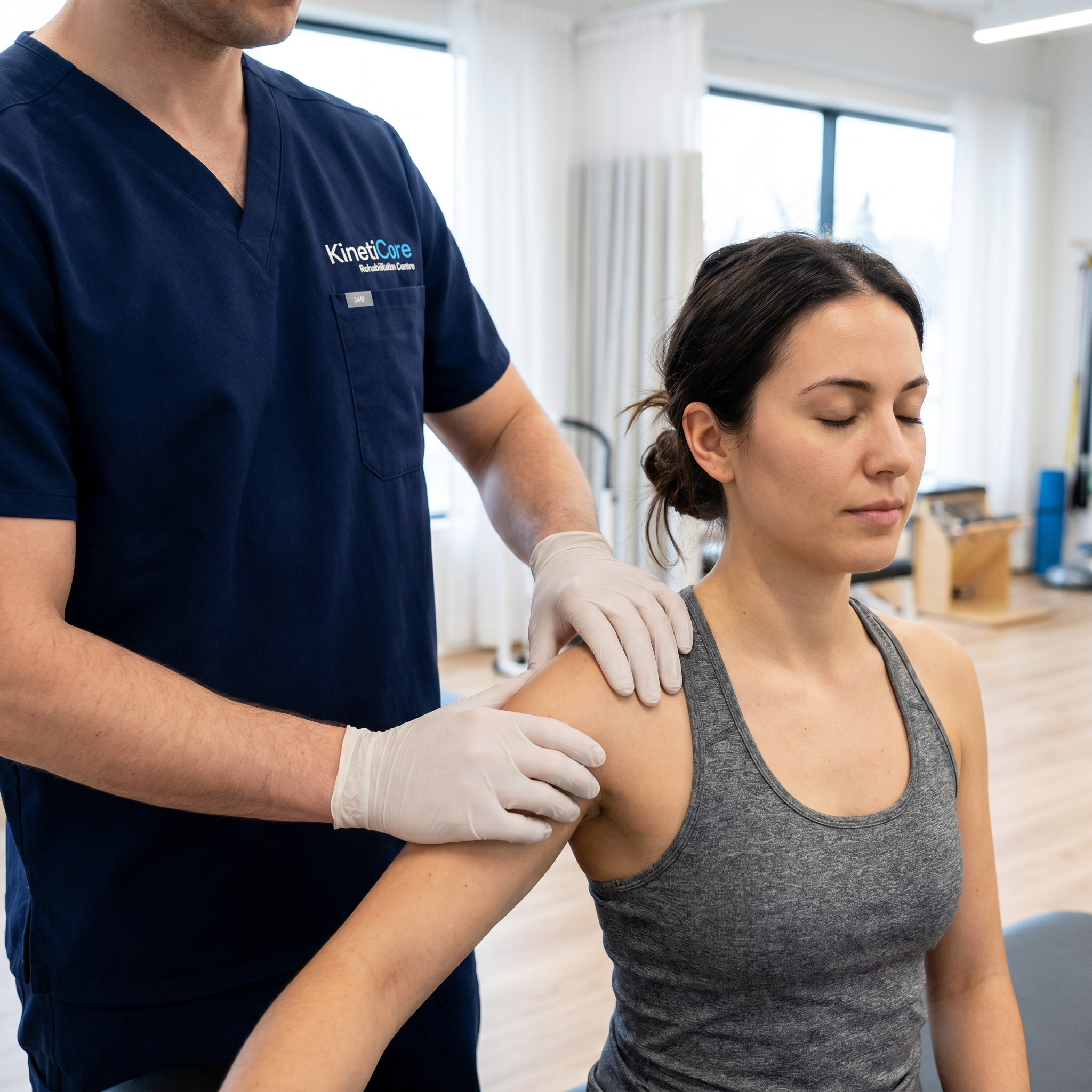
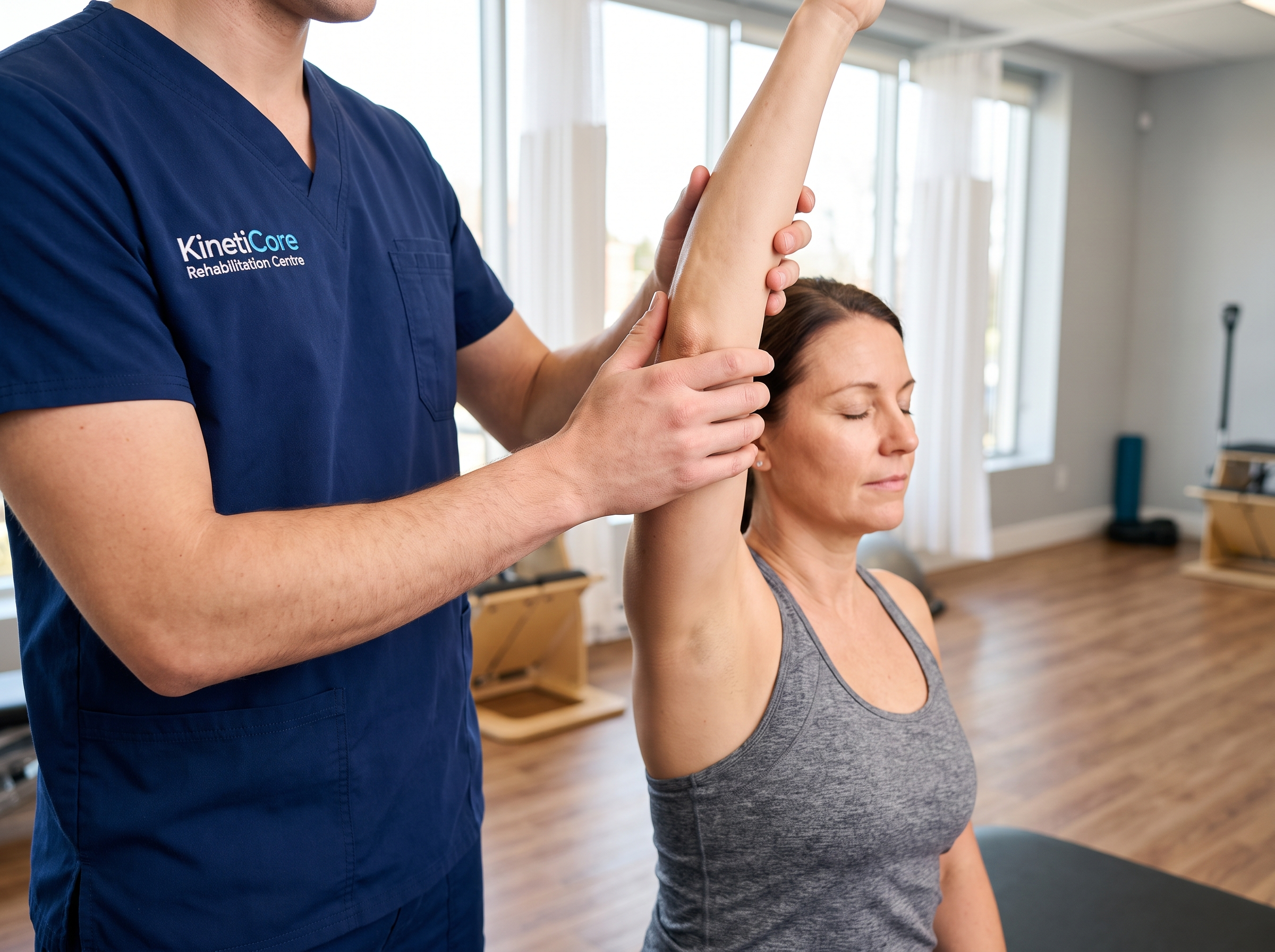
Physiotherapy runs both phases: strengthening and walking practice before the surgery date, then range, swelling control and staged strength work afterwards. Bend is measured weekly.
Physiotherapy

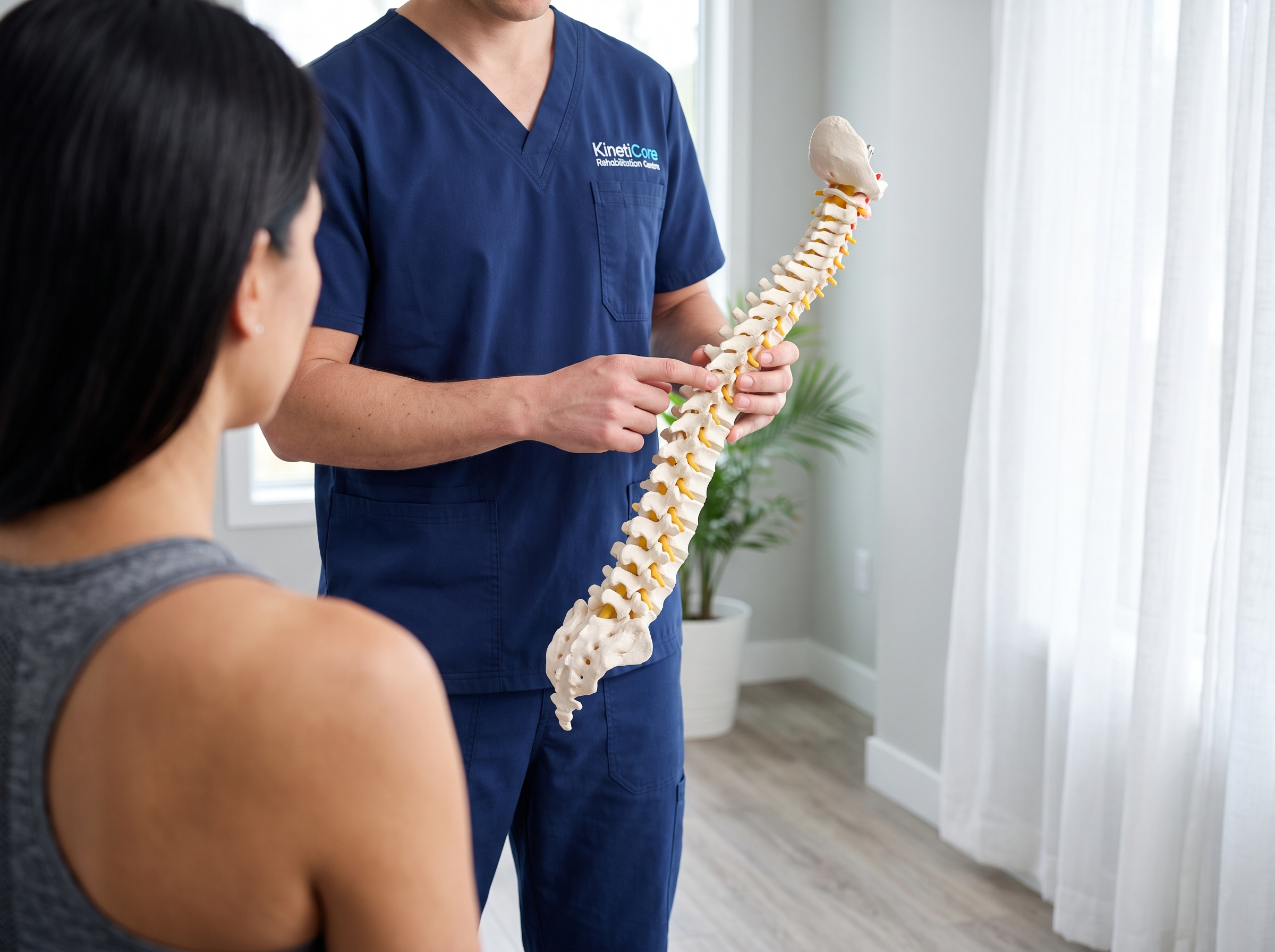
Chiropractic care treats the low back and the opposite hip that carry extra load while a painful joint waits for surgery, and later while walking normalises again. Sessions stay gentle.
Registered Massage Therapy

Massage therapy eases the compensating muscle tension around a stiff hip or knee, and it makes early post-surgical range work considerably more comfortable through the first fortnight at home.
Acupuncture
Acupuncture can help ease persistent joint pain during a long wait for surgery, and it suits patients whose medication choices are limited by other health conditions. Sessions run half an hour.
Class IV K-Laser Therapy

Class IV laser therapy helps reduce swelling around a replaced knee, which matters because swelling restricts knee bend more than the surgery itself does by week three. Sessions take minutes.
Custom Orthotics
Custom orthotics support the foot mechanics of a leg that has limped for years, and they help even walking return once the replaced joint allows it. Casting is completed here on site.
Exercise Rehabilitation

Exercise rehabilitation builds the leg and trunk strength that both phases depend on, supervised by a Registered Kinesiologist, with loads and repetitions recorded at every session.
Pelvic Floor Therapy

Pelvic floor therapy covers bladder control and pelvic floor strength, which often need attention alongside reduced mobility, and both are assessed privately in a quiet treatment room.
Pediatric & Pregnancy Chiropractic

Pediatric and pregnancy chiropractic sits outside joint replacement care, though the same measured approach applies to the younger family members who attend here for other complaints.
How It Works
Your Path from Pain to Lasting Movement
Every patient at KC Rehab follows the same proven four step process, designed to uncover the root cause of your pain or restriction and build a recovery plan that actually lasts.
Step 1
Consultation and Assessment
Your first visit begins with a detailed conversation about your history, lifestyle, and goals. We then perform a hands on movement assessment to identify the underlying mechanics behind your symptoms.
Step 2
Personalized Treatment Plan
Based on your assessment findings, we build a treatment plan tailored to your specific needs, goals, and timeline. This may combine chiropractic, physiotherapy, RMT, acupuncture, and exercise rehabilitation.
Step 3
Active Treatment & Therapy
Your plan comes to life through manual therapy, targeted exercise, and the modalities best suited to your condition. Every session is monitored and adjusted based on your progress.
Step 4
Ongoing Care & Prevention
Once you have recovered, we equip you with the exercises, ergonomic advice, and maintenance schedule you need to stay pain-free and continue moving well for years to come.
Why CHoose Us
Why Bayview Hill Patients Prepare Here
Preparation before surgery and recovery afterwards are both measured, and physiotherapists here hold registration with the College of Physiotherapists of Ontario. Pre-surgical and post-surgical staged physiotherapy runs alongside eight other services here.
Prehabilitation before the surgery date
Six to eight weeks of strengthening before the surgery date shortens hospital stay and speeds the return to walking unaided afterwards.
Hospital protocol continued at home
Whatever the surgical team instructed about range limits, precautions and weight bearing is continued exactly once you are discharged home.
Walking aids progressed safely
Crutches and frames are weaned against measured walking quality rather than dropped on a date, which protects against limping habits forming.
Range and swelling tracked weekly
Knee bend and swelling are recorded weekly, because both track recovery more reliably than pain and both predict the final result.
RESTORE. REBUILD. RECOVER.
Whether it has been a week or a decade, you do not have to keep adjusting your life around pain. Book your initial assessment at KC Rehab today and find out what real, movement based recovery actually feels like.
Our Customer Testimonials
Frequent Asked Questions
Does exercise before surgery improve recovery?
Strengthening before a joint replacement shortens hospital stay and speeds the return to independent walking afterwards. Six to eight weeks is usually enough to matter. Walking practice and stair work are included. Langstaff keeps a record of those baseline measures for comparison after surgery.
How soon after a replacement does therapy start?
Therapy usually begins in hospital within a day of surgery, continuing in clinic once you are discharged home. Early movement reduces both stiffness and clot risk. The first fortnight focuses on range of movement and swelling. Delays past three weeks make bend harder to recover.
Which movements are restricted after a hip replacement?
Hip replacement precautions typically limit deep bending, crossing the legs and inward rotation for the first six to twelve weeks. The exact list depends on the surgical approach. Those instructions are followed here precisely. Adding Richmond Hill keeps the low back comfortable while movement is limited.
How long is a walking aid needed?
Most patients use a frame for a few days, then crutches or a stick for two to six weeks depending on walking quality. Weaning follows measured walking quality rather than a fixed date. Rushing it can produce a lasting limp. Patients from Rouge Woods are progressed the same way.
Why does knee swelling last so long?
Swelling after a knee replacement commonly persists for three to six months and is normal rather than a complication. It restricts bend more than the surgery itself. Elevation, movement and compression stockings all help. To ask what swelling is expected at your stage, please chiropractic care.
What range of knee bend should be expected?
Can stairs be managed safely at home?
Stairs are managed from the first week using a rail and the good leg first going up and the operated leg first coming down. Practice happens in clinic before you rely on it at home. The layout of your home is discussed at assessment. Patients from contact us follow the same technique.
When does driving become possible again?
Driving usually resumes between four and six weeks, once you can perform an emergency stop without hesitation. Right sided surgery usually takes longer than left. Insurers may also have their own requirements. Testing the movement in a stationary car first is the practical check.